Monday 18th November 2024
Monday 18th November 15:00 - 17:00
FTE Baggage Innovation Working Group and FTE Digital, Innovation & Startup Hub meeting (members only)
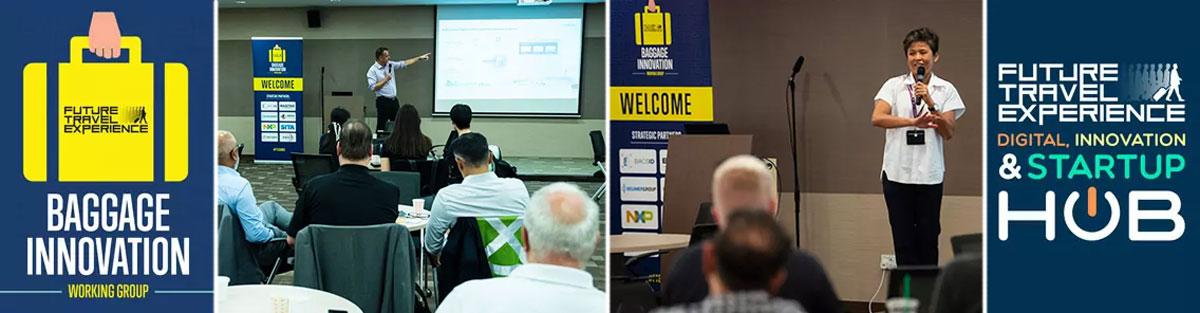
Hosted at Changi Airport, this joint meeting will bring together members of the FTE Baggage Innovation Working Group (BIWG) and Corporate Partners of the FTE Digital, Innovation & Startup Hub. This two-hour meeting will feature presentations and interactive discussion on pertinent topics such as AI, robotics, automation, baggage innovation, and more.
Monday 18th November 17:00 - 18:00
Exclusive Changi Airport Group briefing (Premium Pass holders only)

Premium Pass holders are invited to join an exclusive Changi Airport Group briefing at 17:00 to learn more about the landside innovations that have been implemented to further enhance the customer experience and operational efficiency, including the self-check and bag drop facilities and the cleaning robots programme. Please note, capacity for this briefing is limited.
NOW FULLY BOOKED
Monday 18th November 18:00 - 20:00
FTE APEX Asia Expo Networking Ice Breaker at Hub & Spoke, Changi Airport (Premium Pass holders only)

Open to Premium Pass holders
Hub & Spoke – Changi Airport’s outdoor recreation hub next to Terminal 2 – will host the FTE APEX Asia Expo Networking Ice Breaker. The venue boasts a unique glasshouse Café, live music bar, and is Changi’s gateway for visitors to experience the airport’s outdoor gardens and Singapore’s tropical offerings in a more adventurous way.
The first drink is on us, and attendees will be treated to live music while enjoying an opportunity to network with peers in both indoor and al-fresco settings at Hub & Spoke. There will be fun activities and bicycle rides throughout the evening to explore the Jurassic Arc and Changi Jurassic Mile. This is a great chance to see how Changi Airport goes beyond traditional terminal spaces to delight passengers.
Click here to register for your Premium Pass >>
Tuesday 19th November 2024
Tuesday 19th November 09:00 - 09:05
FTE APEX Asia Expo 2024 ribbon-cutting ceremony
Tuesday 19th November 09:15 - 09:30
Welcome Addresses
Daniel Coleman
Founder & Chairman
Future Travel Experience
Dr. Joe Leader
Group CEO
APEX/IFSA/FTE
Jayson Goh
Executive Vice President, Airport Management
Changi Airport Group
Tuesday 19th November 09:30 - 10:30
Aviation Leaders Keynote Panel – identifying opportunities, overcoming challenges, and embracing innovation to support future growth across Asia and beyond
Format:
An interactive panel discussion led by the session moderator. Topics to be covered include the current state of the Asia market; future growth expectations and opportunities; empowering workforce; customer experience; digital transformation and technology; sustainability; and more.
Moderator:
Suranjana Tewari
Asia Business Reporter
BBC News
Panellists:
Jayson Goh
Executive Vice President, Airport Management
Changi Airport Group
John Simeone
CEO
Jetstar Asia
Jeffrey Goh
Group CEO
Gulf Air Group
Sumesh Patel
President, Asia Pacific
SITA
Questions to consider:
- What is the current state of the aviation market in Asia/APAC, and what are the growth expectations for the coming years?
- What are currently the biggest challenges and opportunities for airports, airlines and their partners?
- What steps is each organisation taking to attract and retain workforce following the challenges experienced in this area in recent years?
- What role will technology and digital transformation play with regards to enhancing operational efficiency and supporting future growth?
- What steps is each organisation taking to continually enhance the customer experience, and how are they finding the right balance between technology and human interaction?
- How is each organisation collaborating with other industry stakeholders to deliver improvements and prepare for the future?
- Where does sustainability sit on the list of priorities, and what steps are being taken in this area?
10:30 - 11:30
Conference break – dedicated time in the exhibition hall
Tuesday 19th November 11:30 - 12:30
The Airport Innovation Summit: How airports and their partners are making pioneering use of technology to enhance CX and operational efficiency
Format:
Each speaker will deliver a 15-minute presentation before participating in an interactive panel discussion.
Moderator:
Javed Malik
Former COO, AirAsia Group; former COO, BLR Airport; and Founder
Bytes not Bricks
Speakers
Innovation in smaller airports – the Seletar Airport journey
Chua Ching Hock
General Manager, Seletar Airport
Changi Airport Group
How is the Fast Travel programme successfully elevating the customer experience and optimising efficiency at Incheon Airport, and what is planned next?
Soonil Hwang
Deputy Director, Fast Travel Team
Incheon International Airport Corporation (IIAC)
Jeong-ju An
Manager of Fast Travel Team
Incheon International Airport Corporation (IIAC)
How a unique innovation culture and mindset has helped to establish Aeroporti di Roma as one of the innovation leaders in the global airport industry
Giovanni Gennaro
Head of Open Innovation
Aeroporti di Roma
12:30 - 13:45
Conference break – dedicated time in the exhibition hall
Tuesday 19th November 13:45 - 14:45
Inflight Innovation – elevating the onboard experience through cutting-edge cabin, IFEC and service advancements
Format:
Following a short introduction by each panellist, the moderator will lead an interactive panel discussion exploring the latest developments and future opportunities around IFE, connectivity, cabin design, new technology integration, revenue generation, F&B ordering, passenger comfort, and more.
Moderator:
Dr. Joe Leader
Group CEO
APEX/IFSA/FTE
Panellists:
Vivian Lo
GM Customer Experience and Design
Cathay Pacific Airways
Dominic Green
Director – Inflight Entertainment
United Airlines
Reza Rasoulian
Senior Vice President
Hughes
Tuesday 19th November 15:15 - 15:45
C-Suite Keynote
Moderator
Suranjana Tewari
Asia Business Reporter
BBC News
Keynote
Behind the scenes of Cebu Pacific’s ambitious growth strategy: Innovation, CX, sustainability and more
Candice Alabanza Iyog
Chief Marketing and Customer Experience Officer
Cebu Pacific
Tuesday 19th November 15:45 - 16:15
Special Presentation
A vision of the end-to-end passenger experience of 2035
Dr. Joe Leader
Group CEO
APEX/IFSA/FTE
16:15 - 16:30
Conference break – dedicated time in the exhibition hall
Tuesday 19th November 16:30 - 17:30
The airport terminal of the future – how will brand-new airports and terminal developments help to deliver significantly enhanced passenger and baggage experiences?
Format
Each speaker will deliver a presentation before participating in an interactive panel discussion.
Moderator:
Ryan Ghee
Chief Operating Officer
Future Travel Experience
Speakers:
FTE Exclusive – APAC unveiling of the “FTE Airport Design & Development Think Tank”: How will airport design and planning approaches likely evolve to better accommodate digital, sustainability and human expectations for a new terminal at a major hub airport opening in 2040?
Yvonne Bilshausen
SVP | Global Head of Aviation Architecture + Engineering
AECOM
Melbourne Airport’s transformation: more than meets the eye
Nicholas Donovan
Head of Aviation Services
Melbourne Airport
How will the ongoing $1 billion investment project at Velana International Airport in the Maldives deliver a future-proof airport that reflects the unique destination it serves?
Ibrahim Hussain
DCO / Head of Terminal Operations Department, Velana International Airport
Maldives Airports Company
Tuesday 19th November 17:45 - 18:15
FTE APAC Pioneer Awards 2024 Ceremony
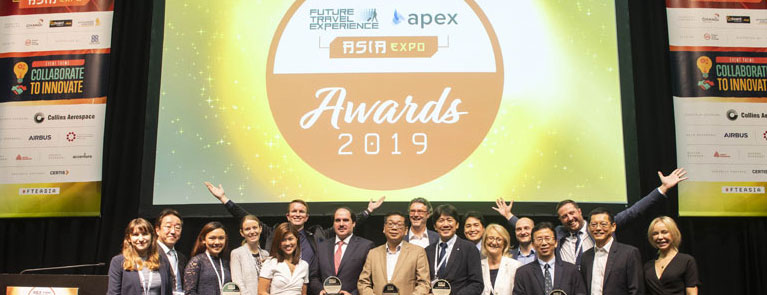
The FTE APAC Pioneer Awards 2024 will shine a light on the 20 airlines and airports across the region who are pushing the boundaries of innovation and playing a vital role in advancing the air transport industry. Ten of the 20 nominees will be presented with an “Outstanding Achievement” trophy during this exciting awards ceremony, which will provide the perfect opportunity to honour the region’s innovators amongst industry friends and colleagues.
View the 20 airlines and airports nominated, here >>
Tuesday 19th November 18:15 - 20:15
Networking Reception & Awards After-Party (Premium Pass holders only)

Sponsored by:


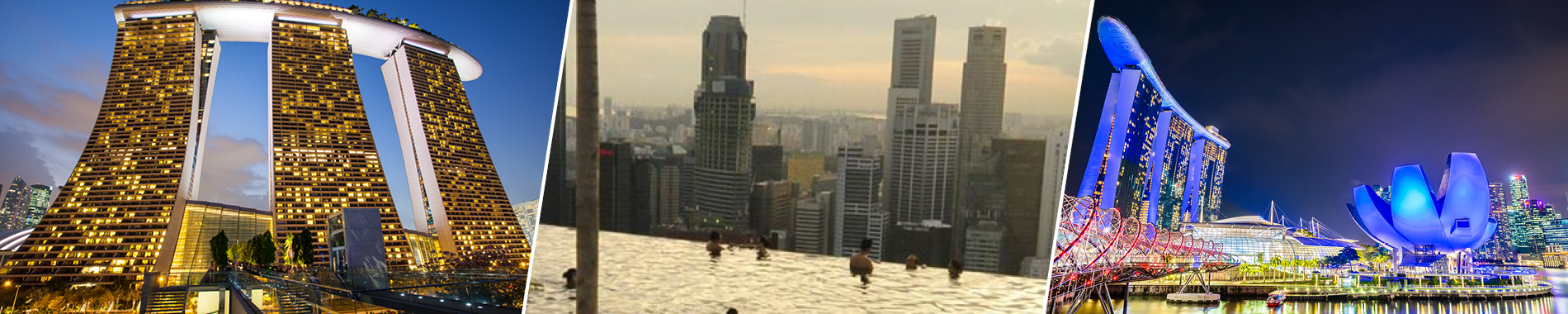
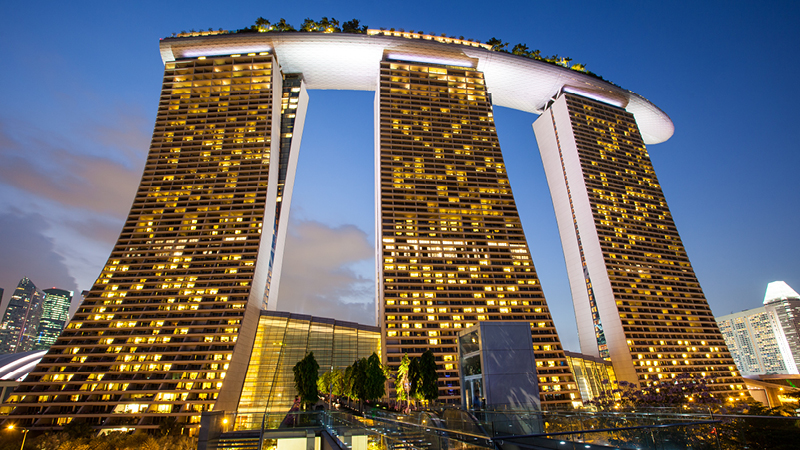
Premium Pass holders are invited to join us for a memorable Networking Reception & Awards After-Party at the Dallas Café and Bar, located at the foot of the iconic Marina Bay Sands and offering impressive views over Singapore’s stunning waterfront. Enjoy networking with industry peers while sipping delicious drinks. This event is the perfect opportunity to mingle with like-minded industry executives and celebrate the achievements of our award winners. Whether you’re looking to expand your professional network or simply unwind after a long day taking in our conference sessions and exhibitor showcases, this event is the place to be. Don’t miss out on this exciting evening – we look forward to seeing you there!
Wednesday 20th November 2024
Wednesday 20th November 09:30 - 10:30
Airline Innovation Summit
Moderator:
Javed Malik
Former COO, AirAsia Group; former COO, BLR Airport; and Founder
Bytes not Bricks
Speakers:
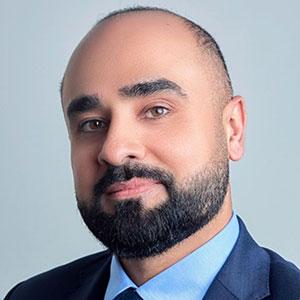
How Qatar Airways’ Sama 2.0 – the world’s first AI flight attendant – and the revolutionary QVerse have redefined the pre-travel experience
Babar Rahman
SVP Global Marketing & Corporate Communications
Qatar Airways
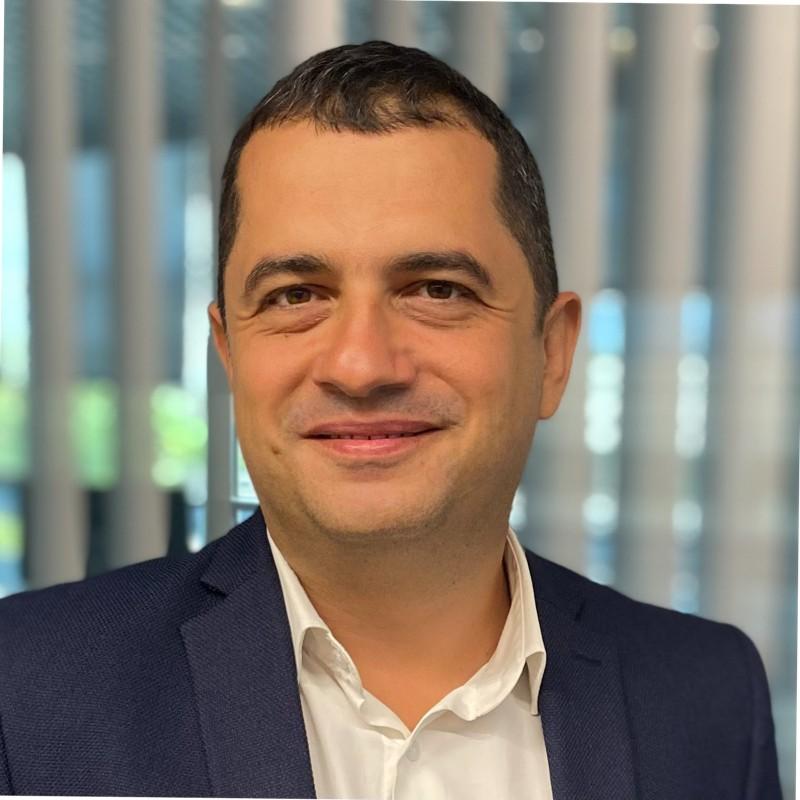
How Turkish Airlines is enhancing efficiency with a bespoke AI-based turnaround management solution, plus an insight into its future digital vision
Koray Ergün
Airline Operations Solutions Director
Turkish Airlines Technology
What can other airlines, and their partners, learn from Southwest Airlines’ successful approach to Emerging Trends & Technology?
Kevin Kleist
Head of Emerging Trends
Southwest Airlines
10:30 - 11:00
Conference break – dedicated time in the exhibition hall
Wednesday 20th November 11:00 - 12:00
How airlines, airports and their partners are combining technology, unique products and exceptional service to deliver world-class customer experiences
Format
Each speaker will deliver a presentation before participating in an interactive panel discussion.
Moderator:
Stuart Forster
Editor - Retail and Technology
Onboard Hospitality
Speakers:
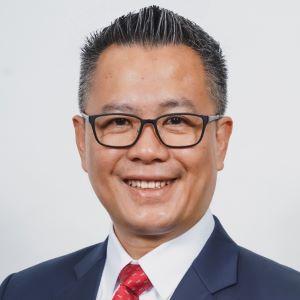
How Air India is enhancing the customer and employee experience with creative digital developments
Andrew Tan
VP Airport Development
Air India
Seamless Innovation: How airlines and airports fuse technology, unique products, and superior service for unmatched customer experience
Oren Cohen Butansky
EVP & Chief Customer Experience Officer
EL AL Israel Airlines
How Plaza Premium Group is redefining the airport hospitality experience through their global network, innovative concepts and technological integration
Jonathan Song
Chief Commercial Officer
Plaza Premium Group
Wednesday 20th November 12:00 - 12:40
CEO Keynote & Fireside Chat
Interviewed by
Suranjana Tewari
Asia Business Reporter
BBC News
12:40 - 13:30
Conference break – dedicated time in the exhibition hall
Wednesday 20th November 13:30 - 14:30
The FTE Digital Transformation Symposium – how airlines, airports and their partners are leveraging technology to redefine operational efficiency and prepare for the future
Format
Each speaker will deliver a presentation before the session moderator leads an interactive panel discussion.
Moderator:
Javed Malik
Former COO, AirAsia Group; former COO, BLR Airport; and Founder
Bytes not Bricks
Speakers:
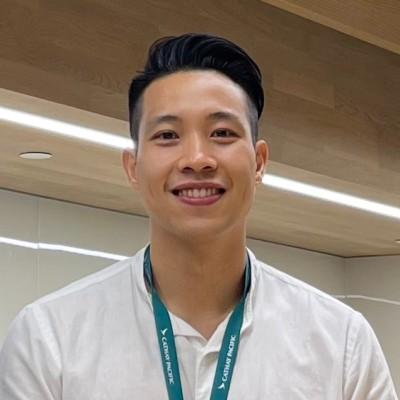
A look inside Cathay Pacific’s Digital Innovation Journey, from process to culture
Gordon Chu
Head of Digital Innovation
Cathay Pacific Airways
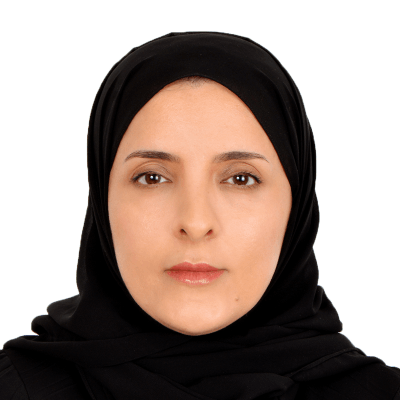
Digital Transformation Redefined: How Cluster2 Airports is transforming airport operations across 22 airports in Saudi Arabia
Shatha AlHosain
IT Strategy & Control Director
Cluster2 Airports
14:30 - 15:00
Conference break – dedicated time in the exhibition hall
Wednesday 20th November 15:00 - 16:00
The FTE APAC Innovate Awards and APEX Best Awards Ceremony
Following the presentations by the FTE Innovate Awards finalists in the conference, the winners of the public vote will be announced and crowned the overall winners of the FTE APAC Innovate Awards 2024.
This will be immediately followed by the presentation ceremony for the APEX Best Awards. APEX once again partnered with TripIt® from Concur®, the world’s highest-rated travel-organising app, to gather anonymous passenger feedback based on neutral, third-party passenger feedback and insights for the 2024 APEX Best Awards. The awards will recognise regional excellence by airlines in seat comfort, cabin service, food and beverage, entertainment and Wi-Fi across the following territories – Central/Southern Asia, Eastern Asia, Greater China & South Pacific.