




Summary:
- Lufthansa is introducing IATA Turbulence Aware technology to provide pilots with real-time, anonymised turbulence data.
- Swiss International Air Lines and Edelweiss Air are also participating, enabling a shared ‘swarm intelligence’ of turbulence measurements worldwide.
- The technology enhances flight safety and passenger comfort, while contributing data to the German Weather Service for improved long-term forecast accuracy.
Lufthansa is introducing IATA Turbulence Aware technology, which will allow the airline to collect anonymised data on turbulence from flights operated by participating airlines. This real-time data provides pilots with accurate information about current atmospheric conditions. Lufthansa Group airlines Swiss International Air Lines and Edelweiss Air are also participating in IATA Turbulence Aware.
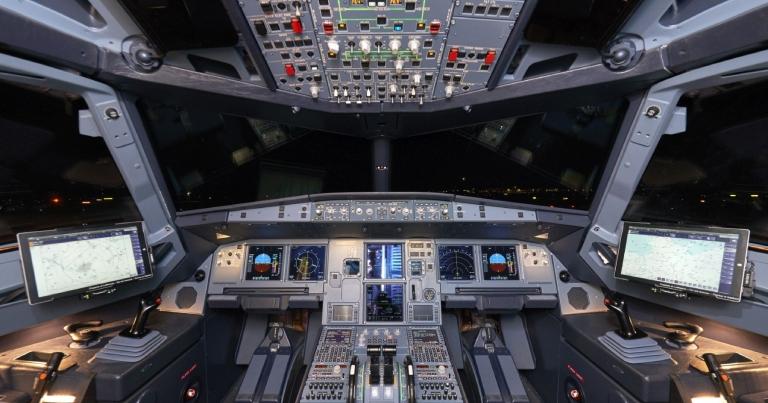
IATA Turbulence Aware is based on the swarm intelligence of the skies: thousands of aircraft worldwide are equipped with sensors that continuously measure the intensity of turbulence and send anonymised data to a central database. Pilots can view the data directly on their navigation map in the cockpit. Color-coded symbols indicate the location, altitude, time, and intensity of the measured turbulence. This real-time information supplements traditional weather forecasts and enables more precise flight planning.
“With IATA Turbulence Aware, we are setting new standards for safety and comfort in aviation,” said Francesco Sciortino, Hub Manager Frankfurt. “This technology enables us to offer our passengers a smoother and more pleasant flight experience while making an important contribution to safety in global aviation.”
With IATA Turbulence Aware, Lufthansa is once again underlining its commitment to innovation, safety, and a first-class travel experience. Thanks to the real-time data, pilots can warn the cabin crew in advance so that service can be planned or interrupted in good time and the safety of passengers and crew can be ensured.
In addition to being transmitted to the database, every measurement recorded by a Lufthansa aircraft is sent to the German Weather Service, helping to calibrate the forecast models in the long-term and make them even more accurate.
You may also be interested in
12 technology and CX trends that can enhance airline and airport operations in 2026