




The commercial landscape of airports and airlines is undergoing significant transformation. The evolution of passenger expectations – driven by a desire for seamless, personalised experiences, heightened sensitivity to sustainability, and an increasing reliance on technology – has prompted a shift towards more dynamic and integrated approaches to ancillary & retailing services. From optimising the customer journey through data-driven, omnichannel retail ecosystems to balancing high-tech innovations with human-centric service, airports and airlines are rethinking how they engage travellers at every touchpoint. As competition intensifies and the passenger experience becomes ever more critical, industry leaders are exploring new ways to blend digital convenience with emotional connection, creating unique, experience-driven environments that drive both customer satisfaction and revenue. In our comprehensive focus, Vantage Group, Iberia, Threedot, Munich Airport, Icelandair, Heathrow, LOT Polish Airlines, Schiphol Group, Kinetic Consultancy, Fraport and Keflavik Airport share their insights into the key trends and technologies that will shape ancillary & retailing strategies in the air transport industry in 2026 and beyond.
Learn more at APEX FTE Ancillary & Retailing, co-located with APEX FTE EMEA in Dublin on 9-11 June 2026. Under the theme ‘Transformative Approaches & Business Models’, APEX FTE Ancillary & Retailing 2026 will examine how airlines, airports and their partners are rethinking retailing, ancillary revenues and end-to-end commercial models in response to changing customer expectations, evolving technology and increasing competitive pressure.
Register for APEX FTE Ancillary & Retailing, co-located with APEX FTE EMEA in Dublin, 9-11 June 2026 – free for airlines, low-cost for airports >> Find out more about APEX FTE Ancillary & Retailing >>Vantage Group, Iberia, Threedot, MUC and Icelandair on AI, hyper-personalisation, data, human-centric service and much more
In part 1 of our comprehensive focus, Vantage Group, Iberia, Threedot, Munich Airport and Icelandair share their insights into the key trends and technologies that will shape ancillary & retailing strategies in the air transport industry in 2026 and beyond. You can view part 2 of our ancillary & retailing trends focus – featuring Heathrow, LOT Polish Airlines, Schiphol Group, Kinetic Consultancy, Fraport and Keflavik Airport – by clicking here.
Vantage Group on technology-enabled journeys and holistic, personalised ecosystems
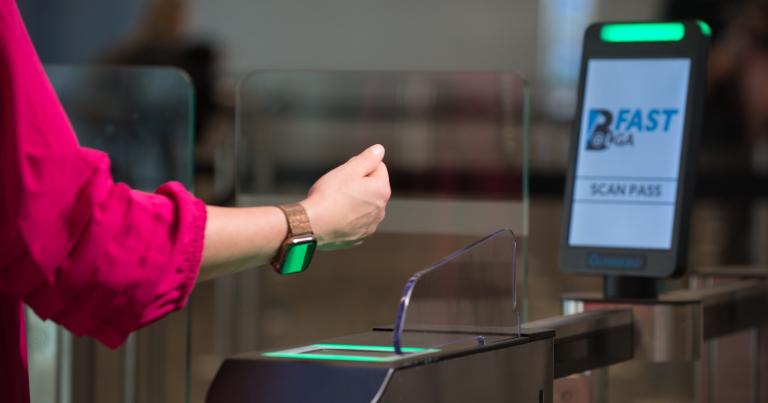
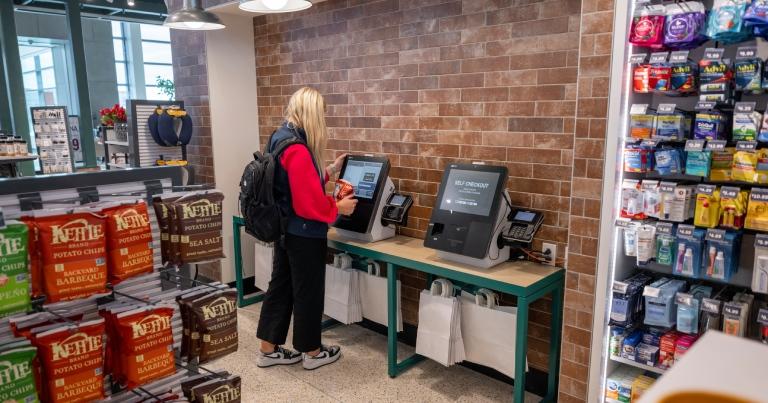
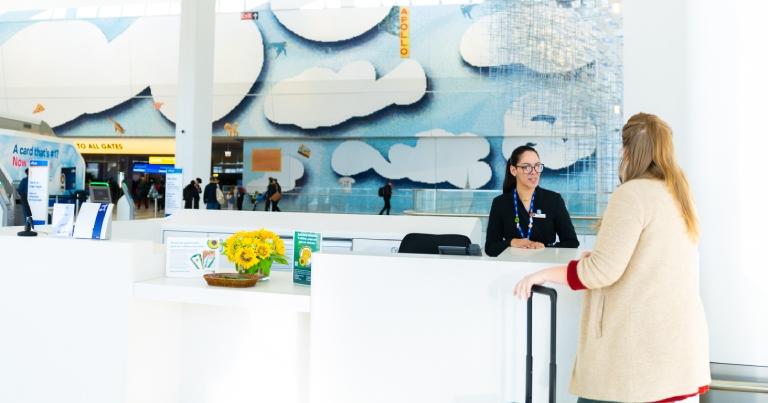
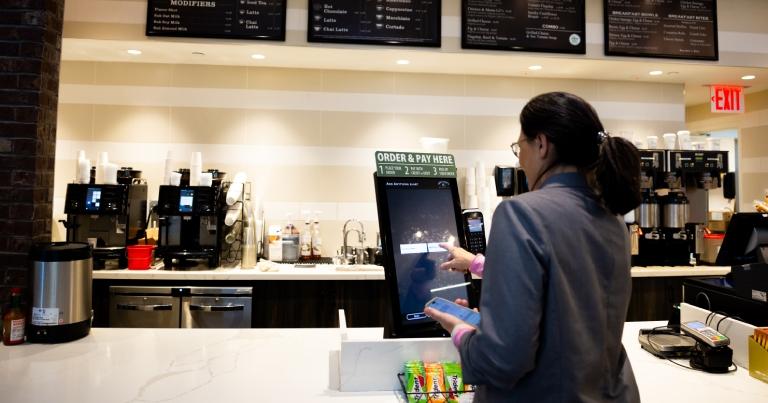
Sammy Patel, Vice President Commercial, shares that in 2026, Vantage Group’s focus remains clear: delivering smoother, more intuitive, and more human travel experiences by placing the end-to-end guest journey at the centre of how airports and transportation centres are designed, operated, and commercialised. “Our airports are not just points of transit, they are experience platforms and we love that our guests enjoy their time there,” Patel explains. “We have seen the impact of this shift at LaGuardia Terminal B, Chicago Midway, and Kansas City International, and we are excited to advance this vision further at New York’s new JFK Terminal 6. Commercial strategy is a critical enabler of this transformation. When thoughtfully designed, retail and ancillary offerings do more than generate revenue, they remove friction, reduce stress, and create meaningful value for guests.”

Across the retail industry, retailing is evolving from simple add-on sales to fully orchestrated, technology-enabled journeys. “Advances in AI now allow us as airports, our partner airlines, and concessionaires to better understand traveller context in real time and respond with more relevant, personalised offers,” says Patel. “This is driving a shift away from static retail menus toward a more concierge-like approach that improves both guest satisfaction and commercial performance.”
Equally important is collaboration. Vantage Group is working closely with airlines, commercial partners, and brands to build omnichannel, journey-wide retail ecosystems that follow the guest from pre-trip planning through post-trip engagement. “Mobile platforms, airport environments, and inflight connectivity are increasingly interconnected, unlocking new opportunities during moments that were once operationally complex or commercially underutilised,” Patel shares. “Embedded payments and flexible checkout options are further reducing friction, and improving conversion. We’ve seen that at Chicago Midway, and are excited to further embed these learnings throughout our portfolio.”
Patel adds that Vantage Group believes the future of airport commercial lies in moving beyond discrete transactions to holistic, personalised ecosystems that balance guest experience with sustainable revenue growth. “Airports that successfully combine experience-led design, simplified commerce architecture, and intelligent personalisation will not only deliver stronger commercial outcomes, they will also build trust and loyalty, delivering the elevated travel experiences today’s guests expect. Watch this space – we have some exciting initiatives underway!”
Iberia on data-driven retailing, AI, omnichannel platforms and smarter personalisation

José Roberto Martin Bishop, Third-Party & Retail Ancillaries Manager, Iberia, highlights that in 2026, ancillary & retailing will increasingly focus on relevance over volume. “One of the industry’s biggest challenges will be finding the right balance between showcasing the full breadth of what airlines can offer and avoiding customer fatigue from constant notifications or overloaded interfaces,” he explains. “Many customers remain unaware of the range of products and services available, yet excessive promotion risks harming the overall experience. To address this, airlines will rely more on data-driven, contextual retailing, using AI and real-time signals to present the right offer at the right moment through the right channel. Seamless omnichannel platforms and smarter personalisation will be essential to educate customers, inspire discovery, and drive incremental revenue – without feeling intrusive.”
Threedot on dynamic offers and agentic retailing in air travel
Eric Léopold, Founder & Managing Director, Threedot, is also Content Director for APEX FTE Ancillary & Retailing (Dublin, 9-11 June 2026). Sharing his perspective on ancillary & retailing trends, Léopold highlights that the unbundling of the airline product led to à-la-carte shopping and back to bundled fares. “In a world of offers and orders, this translates into dynamic offers, where both product and price are dynamic,” Léopold shares. “Ancillary revenue means maximising revenue per passenger or seat. Some airlines focus on post-booking optimisation, where revenue represents a higher margin. Eventually airlines can buy back seats on full flights and resell them – virtually having more customers than seats! 2026 is the year of agentic retailing in air travel, where AI assistants shop and book on behalf of travellers. The experience will tell who are the winners and losers in this journey, and how keen AI assistants are in adding ancillaries to improve the travel experience.”
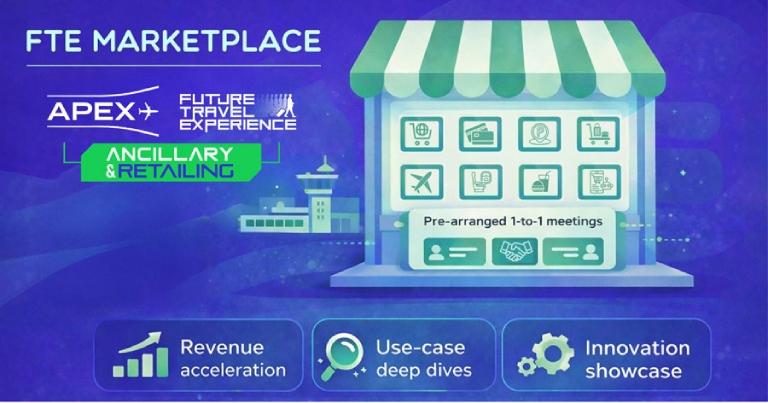
Under the theme of ‘Transformative Approaches and Business Models’, APEX FTE Ancillary & Retailing 2026 will inspire delegates to rethink traditional frameworks and explore new ways to maximise revenue, enhance customer engagement, and leverage digital innovation across every stage of the journey. Designed for senior airline, airport and commercially-focused aviation industry executives, APEX FTE Ancillary & Retailing 2026 will debut several new features, including a dedicated Marketplace – a purpose-built environment designed to support structured, high-quality engagement between airline and airport commercial leaders and solution providers; and a new Agentic AI Day, focusing on the emerging role of AI agents in travel commerce.
“APEX FTE Ancillary & Retailing plays a key role in bringing together the people who are shaping the future of airline and airport retailing,” says Léopold. “The new elements being introduced for 2026 reflect where the industry is heading, towards a new world in which innovative collaborations and technological advancements such as agentic AI will create exciting new opportunities for airlines, airports and all of their commercial partners.”
Register for APEX FTE Ancillary & Retailing, co-located with APEX FTE EMEA in Dublin, 9-11 June 2026 – free for airlines, low-cost for airports >> Find out more about APEX FTE Ancillary & Retailing >>Munich Airport on experiential retail, automation, personalisation, sustainability and biometric technology
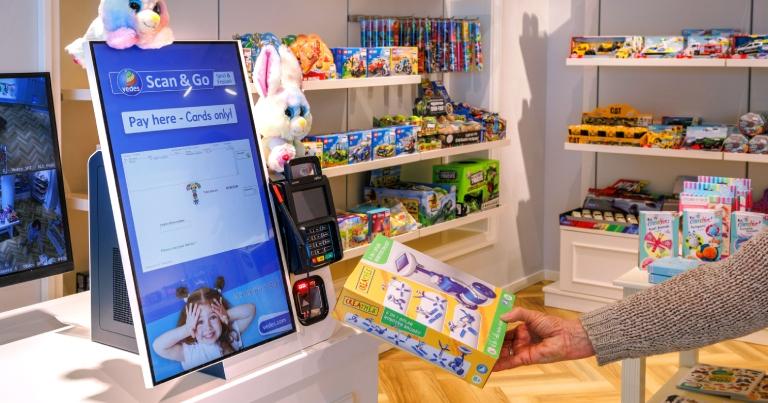
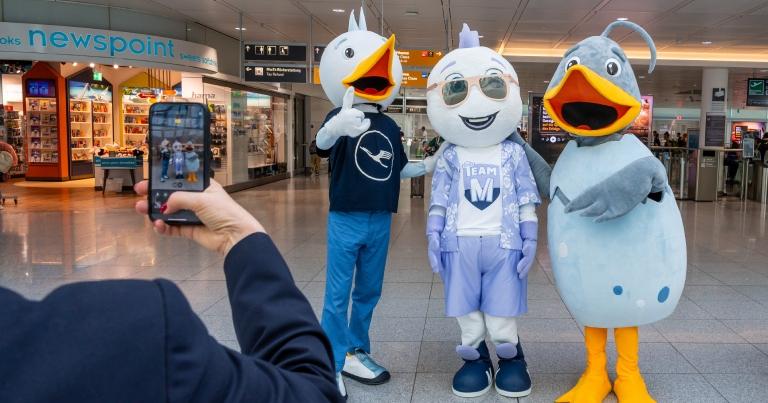
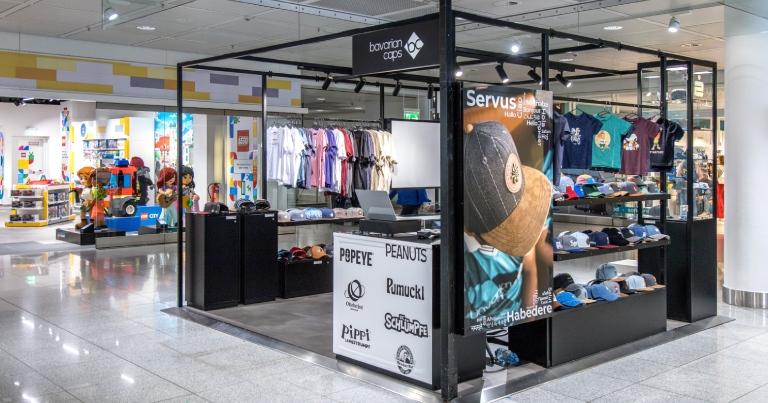
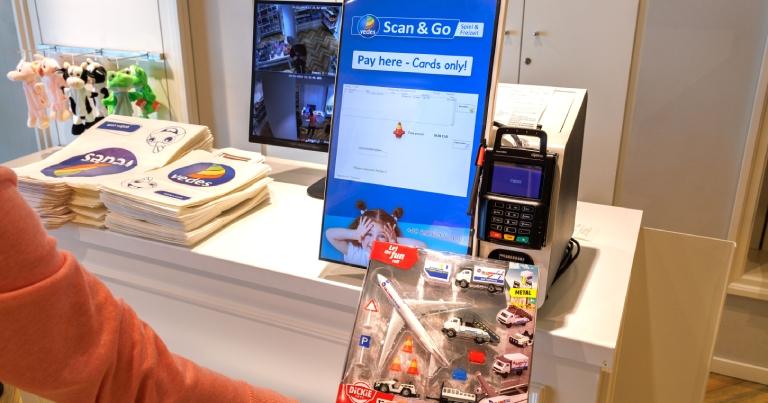
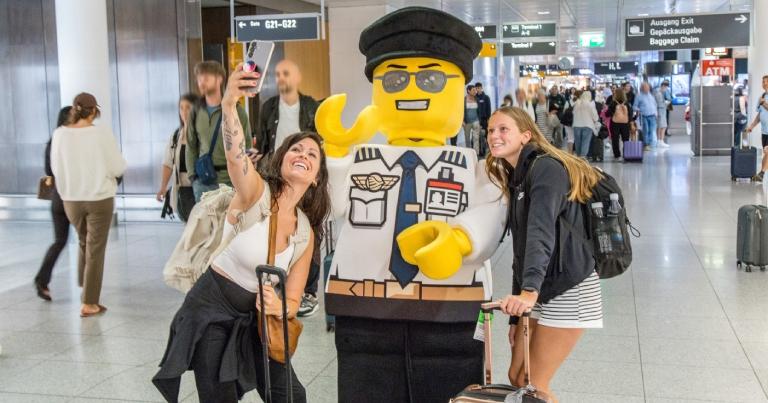
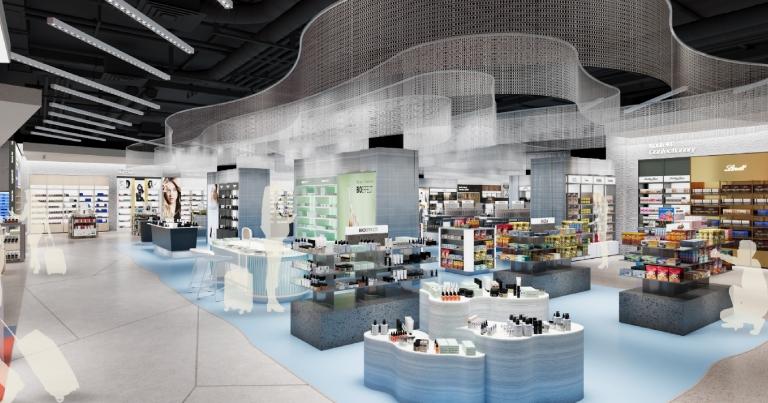
Munich Airport envisions that retail and ancillary trends in 2026 will increasingly fuse integrated experiences, sustainability, and seamless shopping. “While online and duty free commerce will remain relevant, the unique selling proposition (USP) is shifting from pure price advantage to experience, exclusivity, and convenience,” explains Jan-Henrik Andersson, Chief Commercial & Chief Security Officer, Munich Airport. “Key drivers include personalised offers, data-driven services, and automation to minimise purchase barriers (e.g. self-checkout). We owe our customers a frictionless shopping experience. To provide this, we developed our ‘Sense of Place’ retail concept, which will be used in our new Terminal 1 Pier (grand opening in April). This concept allows us to embed a wide variety of brands and stores into the environment of international air travel and Bavarian tradition.”
Emotional and experiential formats, such as pop-ups, brand activations, events, and small “happy moments” boost dwell time quality and revenue. There is a growing demand for sustainable, healthy, and high-quality products, along with environmentally conscious sourcing and packaging solutions. “For 2026, we anticipate a stronger focus on omnichannel integration, digital interactions in duty free, and targeted engagement with Gen Z travellers,” Andersson shares. “Sustainability will also serve as a revenue amplifier in the future. Going forward, we also plan to strengthen our presence in travellers’ digital wallets. Over time (agentic) AI will enable us to place hyper‑personalised offers through these channels. The shopping experience will be made even more intuitive and user-friendly by the integration of biometric technology.”
Icelandair on true offer‑ and order‑based retailing and a broader ecosystem of trip‑level bundles
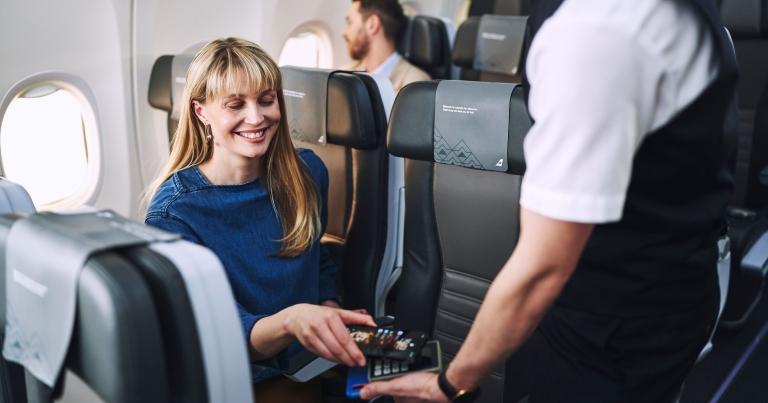

Looking ahead to 2026 and beyond, Anne-Marie Tremblay-Quenneville, Ancillary Revenue Strategy Manager, Icelandair, expects that airline ancillary and retailing innovation will be driven by true offer‑ and order‑based retailing, where artificial intelligence (AI) dynamically assembles and prices bundles based on each customer’s context, behaviour and willingness to pay – “moving the customer’s experience closer to what they experience in leading digital retailing platforms”. “At the same time, ‘ancillary’ will evolve into a broader ecosystem of trip‑level bundles, that combine air, ground, and experiences, with embedded payments and pay‑with‑points options that make adding value frictionless at any moment in the journey,” Tremblay-Quenneville shares. “Day‑of‑travel will become a critical retailing stage: upgrades and seat upsell, food and beverages pre‑order, disruption‑aware offers, and in‑app self‑service will blend service recovery with intelligent upsell. Finally, for some markets, sustainability and transparency will be built into the retail flow, including Sustainable Aviation Fuel (SAF) and carbon options into clearer product attributes. In a nutshell, customers can curate not just the price of their trip, but the kind of trip they want to take.”
Heathrow, LOT Polish Airlines, Schiphol Group, Kinetic Consultancy, Fraport and Keflavik Airport on digitalisation, real-time targeting, personalisation, experiential retail, AI and more
In part 2 of our comprehensive focus, Heathrow, LOT Polish Airlines, Schiphol Group, Kinetic Consultancy, Fraport and Keflavik Airport share their insights into the key trends and technologies that will shape ancillary & retailing strategies in the air transport industry in 2026 and beyond. From artificial intelligence (AI)-enabled orchestration and real-time personalisation to experiential buying, sense of place and evolving concession models, the industry is moving beyond traditional revenue optimisation towards fully integrated commercial ecosystems. The common thread is clear: success will depend on aligning digital innovation, operational models and human service around a seamless, contextual and value-driven passenger journey. You can view part 1 of our ancillary & retailing trends focus – featuring Vantage Group, Iberia, Threedot, Munich Airport and Icelandair – by clicking here.
Learn more at APEX FTE Ancillary & Retailing, co-located with APEX FTE EMEA in Dublin on 9-11 June 2026. Under the theme ‘Transformative Approaches & Business Models’, APEX FTE Ancillary & Retailing 2026 will examine how airlines, airports and their partners are rethinking retailing, ancillary revenues and end-to-end commercial models in response to changing customer expectations, evolving technology and increasing competitive pressure.
Register for APEX FTE Ancillary & Retailing, co-located with APEX FTE EMEA in Dublin, 9-11 June 2026 – free for airlines, low-cost for airports >> Find out more about APEX FTE Ancillary & Retailing >>Heathrow’s focus on four retail pillars: Digital, Experience, Space and Offer
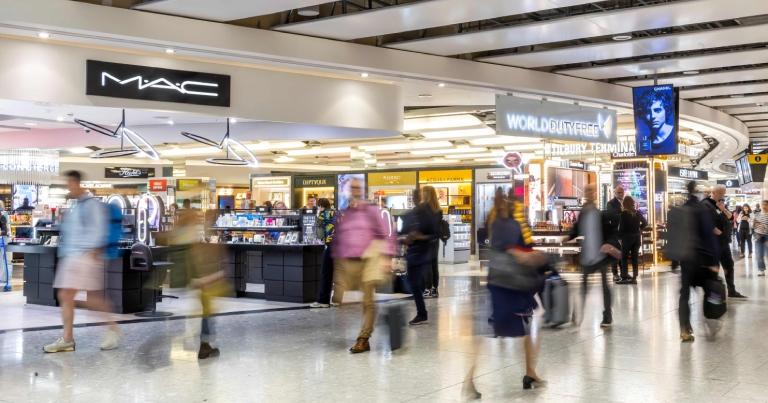
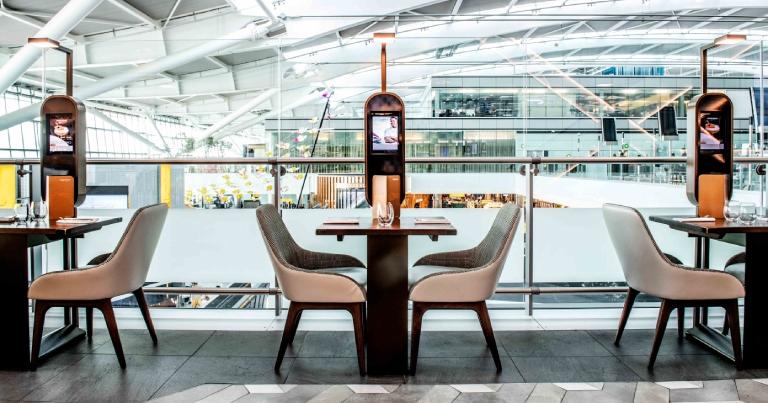
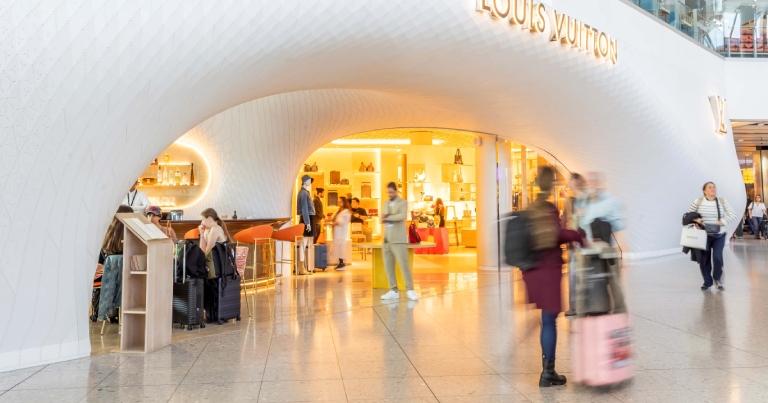
At Heathrow, the mission is to make every journey better. It is therefore important that the airport’s retail and food & beverage offer evolves in line with changing consumer expectations. To achieve this, there is a consistent focus on the four pillars of Heathrow’s retail strategy: Digital, Experience, Space and Offer.
“As the UK’s only hub airport, Europe’s largest airport, and the world’s most connected airport, we welcome a diverse passenger mix totalling more than 84 million people each year,” says Heathrow Retail Director Fraser Brown. “This scale and diversity require us to ensure that our retail proposition remains both relevant and compelling.”

Heathrow’s food and beverage business has grown since the pandemic, driven in part by increased dwell time. “Passengers are spending more time in our terminals, planning enjoyable dining experiences into their overall journeys, and increasingly choosing to purchase food and drink to take onboard in response to the changing nature and availability of airline inflight offers,” Brown explains.
In foreign exchange, the decline in the use of cash domestically has been mirrored by a similar reduction in cash usage by international travellers overseas. “As a result, we have resized the category at Heathrow and reduced the number of foreign exchange units in our terminals, enabling us to repurpose space for more productive retail categories,” Brown shares. “For example, a Jo Malone unit in Terminal 2 replaced a former Travelex outlet earlier this year.”
Within core duty free, beauty has been affected by market challenges in Asia and by discounting, both within travel retail, and on the high street. “It is therefore important that we offer a strong selection of products, including emerging independent brands that are gaining popularity on social media,” says Brown. “In alcohol, the ultra-premium market has softened in line with global economic challenges. However, consumers continue to look for value and, by working closely with our retail partners and our duty free operator, we have seen success by offering multipack formats and clearly communicating the value proposition compared with the high street.”
Food gifting continues to perform strongly. Heathrow has found that consumers respond well to high quality British brands that provide a sense of place and offer strong perceived value. “In our essentials category, value remains the primary driver for passengers,” Brown explains. “Given the limited space within Heathrow’s terminals, we have introduced a blended format across the airport that brings together the traditional WHSmith range with Boots to create a combined essentials and healthcare offer. Passengers are provided with a convenient one-stop-shop essentials offer, avoiding duplication of ranges across separate outlets.”
Brown adds that the UK continues to be significantly disadvantaged by the removal of tax free shopping on luxury goods from brands, including those within the LVMH and Kering groups. “We continue to call for the reintroduction of tax free shopping, which would support economic growth across the UK and encourage an increase in international visitors.”
LOT Polish Airlines on personalisation, real-time targeting and smart, contextual offers
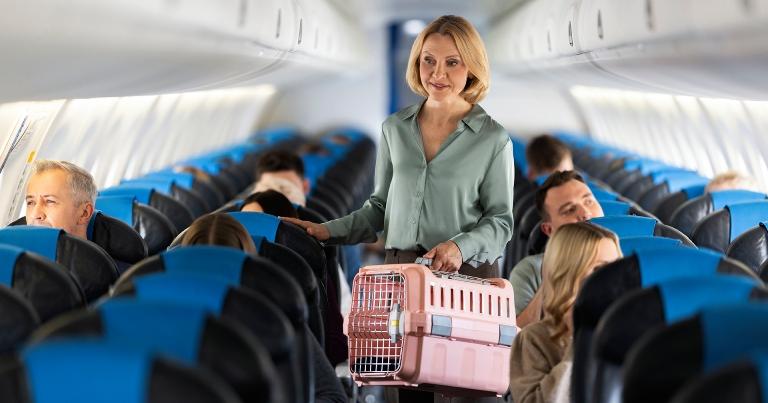

Anna Lipska, Acting Head of Offer Management Unit, LOT Polish Airlines, highlights that in 2026, personalisation stops being a ‘nice bonus’ and becomes the expected standard across the travel journey. “Travellers assume that brands will recognise their needs instantly – and they can feel less engaged when the experience comes across as generic,” Lipska explains. “At the same time, ancillary revenue remains essential, but only works when the offers are smart, contextual, and delivered at the right moment. With customers already overwhelmed by irrelevant suggestions, real‑time targeting becomes the only sustainable path to meaningful engagement. For offer managers, the real challenge goes beyond crafting great products – it’s about making the whole system work together. Creating a seamless journey means integrating pricing engines, personalisation platforms, merchandising tools, CDPs, and digital channels into one coherent retail stack. When mobile, web, airport systems, and inflight platforms all ‘talk to each other’, airlines can finally deliver consistent, frictionless experiences. The carriers that master this systems‑level integration will be the ones able to deliver the right offer, in the right channel, at exactly the right moment – without disrupting the flow of the journey.”
Schiphol Group on relevance, clarity and a positive overall journey
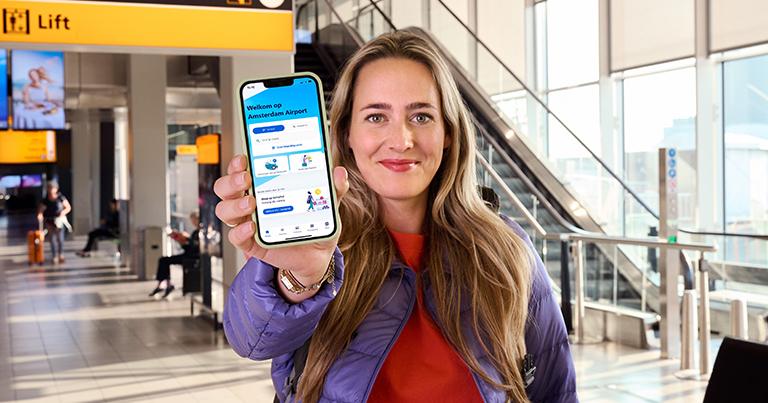
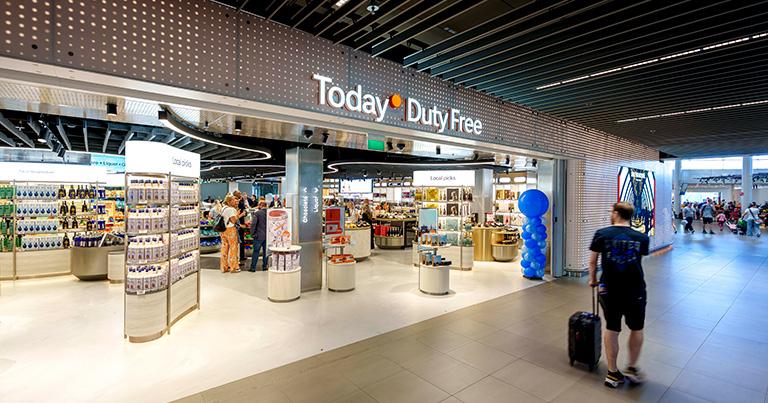
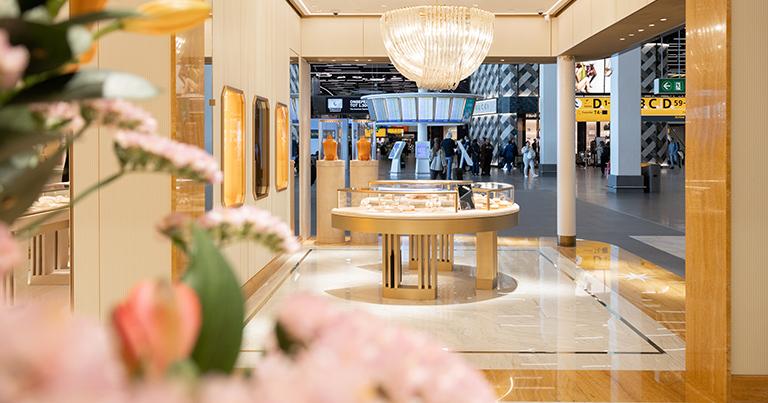

As airports continue to focus their commercial strategies around experience-first thinking, the link between ancillary performance and passenger satisfaction has never been clearer. For Schiphol Group, that means designing retail and food & beverage ecosystems that actively enhance, rather than interrupt, the end-to-end journey. Arthur Reijnhart, Chief Commercial Officer, Schiphol Group: “Reflecting the growing connection between commercial performance and the overall passenger experience, ancillary and retail in 2026 will increasingly focus on relevance, clarity and a positive overall journey. Travellers expect calm, well-organised environments with logical layouts, clear pricing and reliable service. At Schiphol, retail, food & beverage and services are coming together more naturally, forming a coherent offer that supports the journey rather than disrupting it. Data is used in a practical way to better understand different traveller needs and adjust the offer accordingly. At the same time, quality food concepts and well-designed spaces help create an environment where passengers feel comfortable to spend time.”
Kinetic Consultancy on AI, technology, humanisation and sense of place

Martijn Steur, Managing Director, Kinetic Consultancy, identifies four key ancillary & retailing trends for 2026 and beyond:
- Artificial intelligence (AI) and technology as an orchestrator: “In 2026, the real value of AI in airport retail will lie less in standalone tools and more in its role as an invisible orchestrator of the commercial ecosystem. Airports will increasingly use AI to align passenger flow, dwell time, staffing, inventory and commercial offers in real time. The focus will shift from broad personalisation to contextual relevance, delivering the right offer at the right moment in the journey. So, technology should remove friction, so people can focus on empathy.”
- Humanisation in an automated environment: “As journeys become more frictionless, the human role becomes more valuable, not less. Automation will increasingly handle routine processes, allowing frontline staff to focus on reassurance, empathy and complex passenger needs. This is particularly important given the generational mix in airports: Gen Z expects speed and authenticity, while older travellers prioritise clarity and human support. Airports that successfully combine seamless digital journeys with visibly human service will stand out in 2026.”
- Generations, sense of place and retail relevance: “Retail strategies are also evolving in response to changing passenger expectations. Travellers are increasingly rejecting generic terminal environments in favour of a stronger sense of place, with local brands and food concepts playing a bigger role. This enhances emotional engagement and dwell time quality, but it also introduces greater operational complexity, especially as airports host more small and local operators alongside global brands.”
- Structural enablers – logistics and contract frameworks: “None of these trends can scale without the right enablers behind the scenes. Centralised logistics for airports and fulfilment models are becoming critical to support omnichannel retail, pre-order, click & collect and a more fragmented and rapidly evolving retail mix. At the same time, traditional concession models are evolving. Airports are increasingly exploring more flexible, partnership-based contract frameworks that incentivise innovation, data sharing and experience quality rather than pure square-metre yield. In 2026, the competitive edge will come not from bold visions alone, but from the ability to translate them into pragmatic operating models where technology, people, logistics and contracts are fully aligned around the passenger journey.”
Fraport on digitalisation, personalisation and modern technologies

Airports continue to undergo a transformation from traditional infrastructure providers to modern eCommerce platforms. Frankfurt Airport (FRA) is accompanying and supporting this change by increasingly mapping and shaping passengers’ entire travel journey in a digital way. “Whereas in the past, the focus was on providing additional travel extras – such as online parking bookings or fast-track offers – alongside established ancillaries, the integration of these services was often geared towards immediate needs and less towards long-term customer loyalty,” explains Johannes Noack, Product Manager eCommerce, Fraport. “Our new approach aims to make the airport’s digital channels – especially the website – an inspiring and informative point of contact for travellers. In the future, users should not only be able to research and be inspired by potential holiday destinations from FRA, but also seamlessly discover and book relevant products such as flights, hotels, and other services. By intelligently integrating personalised offers and utilising modern technologies such as AI-driven recommendation systems, we are laying the foundation for long-term and sustainable customer relationships.”
This forward-looking approach enables FRA to better understand its customers’ needs, respond specifically to individual preferences, and develop further innovative, tailor-made services. “Through this transformation, we are positioning the airport as a digital hub that not only meets travellers’ expectations, but actively shapes them and sets new trends in the travel and eCommerce sectors,” Noack adds.
Keflavik Airport on experiential buying, local authenticity, technology and the human touch

Þórunn Marinósdóttir, Director – Commercial, Isavia – Keflavik Airport: “As we move forward at Keflavik Airport in 2026, our focus is on understanding and meeting the evolving expectations of passengers. They continue to be price-sensitive, while simultaneously seeking value and sustainability in their travel experience. ‘Experiential buying’ is an important trend for us, which remains a flexible concept that we continue to explore and find solutions for within our terminal. Local authenticity in retail and F&B offerings is also a key priority, as passengers want to feel a connection to their destination. However, we must balance this with a seamless and efficient journey. While technology like AI plays an increasingly important role, it’s crucial to remember that the human touch remains irreplaceable. Our staff training is vital, not only in service delivery but in fostering meaningful interactions with diverse passenger demographics. In this way, we ensure that customer experience remains at the heart of everything we do, while also leveraging technology to enhance both airport operations and the guest experience.”
2026 and beyond: Merging technology, service, and customer experience
The insights shared here by leaders in the air transport industry highlight an exciting year ahead for airport and airline retailing. As we continue to adapt to a more digital, personalised, and sustainable future, the importance of delivering seamless, frictionless experiences for passengers cannot be overstated. Whether it’s leveraging artificial intelligence (AI) to create hyper-targeted offers, embracing local authenticity in retail and food & beverage, or enhancing human interactions amidst increasing automation, the future of ancillary services lies in a delicate balance between technology and the human touch. As the sector evolves, those who can blend innovation with customer-centric strategies, while navigating new operational complexities, will be best positioned to not only meet but exceed passenger expectations. With dynamic offerings, flexible contract frameworks, and a focus on meaningful engagement, the next chapter in travel retail promises to be one of both excitement and opportunity.
Learn more at APEX FTE Ancillary & Retailing, co-located with APEX FTE EMEA in Dublin on 9-11 June 2026. Under the theme ‘Transformative Approaches & Business Models’, APEX FTE Ancillary & Retailing 2026 will examine how airlines, airports and their partners are rethinking retailing, ancillary revenues and end-to-end commercial models in response to changing customer expectations, evolving technology and increasing competitive pressure.
Register for APEX FTE Ancillary & Retailing, co-located with APEX FTE EMEA in Dublin, 9-11 June 2026 – free for airlines, low-cost for airports >> Find out more about APEX FTE Ancillary & Retailing >>You may also be interested in
12 technology and CX trends that can enhance airline and airport operations in 2026
PANYNJ and JFKIAT expand F&B at JFK T4 with authentic New York culinary experiences
Vienna Airport unveils local culinary partners for new Terminal 3 Southern Expansion
Manchester Airport welcomes opening of “new and unique” premium bar in transformed Terminal 2
DFW to open 14 new shops and restaurants enhancing CX and showcasing ‘Best of Texas’
Munich Airport unveils new premium fashion quartet for “a modern shopping experience”