




As airports and airlines continue to modernise their technology infrastructure, greater collaboration and interoperability are becoming increasingly important to delivering a seamless, consistent passenger experience across the entire journey. From sharing real-time data and integrating digital services to harnessing artificial intelligence (AI) and cloud technologies, the industry is exploring new ways to reduce friction, improve operational efficiency and provide passengers with more personalised support, particularly when journeys involve multiple carriers and airports. In this interview, ahead of his participation at the 20th anniversary FTE Global (Dallas, Texas, 8 to 10 September 2026), Chris Gilliland, Director of Airport Experience, oneworld Alliance is joined by Jaron Millner, Senior Director, Digital and Innovation, oneworld Alliance, as they share their perspectives on breaking down technology silos, strengthening collaboration between airports and airlines, and using digital innovation to create a more connected passenger journey.
See the FTE Global schedule at a glance >> Register for FTE Global >>
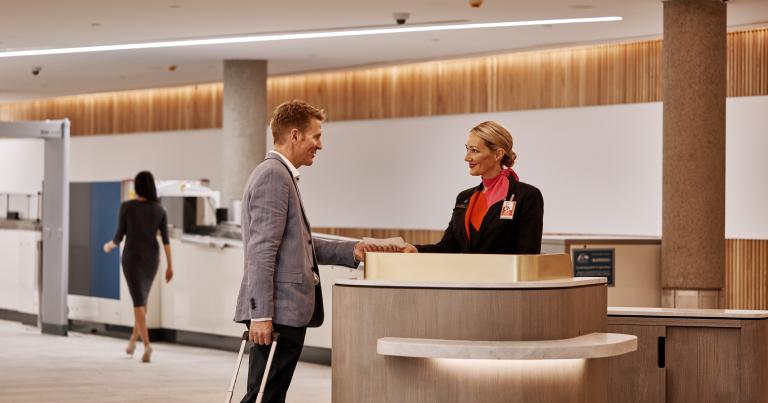
Breaking down technology silos to create more connected journeys

Gilliland is participating at FTE Global in a session focused on ‘The airport tech stack of the future – transitioning away from legacy systems’. He will join fellow industry experts to examine how airport technology architectures are evolving and how organisations can modernise their infrastructure to unlock greater operational efficiency. The session will explore the limitations of legacy systems and consider whether airports need to replace existing infrastructure entirely or find ways to integrate it within a more flexible, future-ready technology architecture. Discussions will also address the technologies and capabilities that will shape the airport tech stack of the future, how new solutions can be introduced without adding complexity or operational risk, and the lessons that can be learned from airport modernisation programmes to date. The panel will also consider the importance of organisational change, skills development and stakeholder alignment in delivering successful technology transformation while maintaining operational continuity and safeguarding critical infrastructure.
Many airports are balancing the need to modernise with the reality of long-established legacy systems. “Customers want their journey to feel as smooth as if it were operated by a single airline – even if they are flying on two or three carriers,” Gilliland shares. “To help us meet these expectations, airports can provide access to real-time data, that enables us to identify when customer connections might be at risk. Our alliance members can then use this data to proactively mitigate disruption by working together to find real-time solutions that get customers on their way more quickly.”
oneworld brings together airlines operating across hundreds of airports worldwide. Interoperability and common technology standards are crucial in delivering a more seamless passenger experience.
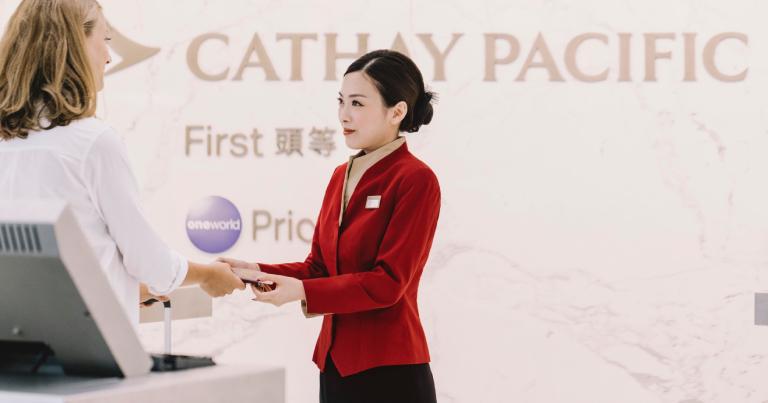
“Our role is to facilitate seamless information exchange among members, so customers can enjoy consistent recognition, services and benefits, as well as a smoother travel experience,” Millner explains. “oneworld digital technology is designed to do exactly this, allowing our members to unlock a digital experience that our customers expect. By facilitating technology that powers this experience, we can accelerate the delivery of new customer benefits across the alliance.”
Many global airports rely on international connectivity as a core part of their business model – just as global airline alliances do. “That means we have a great deal in common,” says Gilliland. “Technology is an important enabler, but collaboration offers huge opportunities. By working together on initiatives such as co-location and operational efficiencies, airports and alliances can deliver a much better journey for customers.”
Harnessing digital innovation to create a more consistent passenger experience

Passengers increasingly expect a consistent, digital-first experience regardless of which airline or airport they’re travelling through. It is therefore vital that the industry works effectively together to make that expectation a reality.
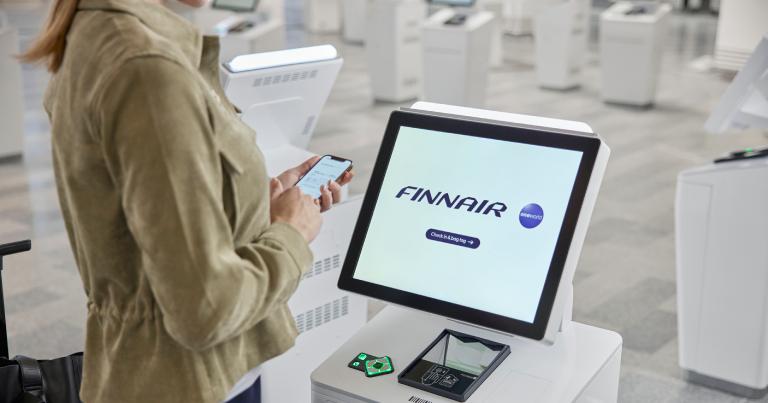
“Providing a consistent digital experience starts with putting the right information in the palm of customers’ hands through the channels they are familiar with, such as their preferred airline app,” says Millner. “When airports and airlines share data behind the scenes, customers can receive timely, relevant updates on gate changes, departure times, connections and wayfinding, regardless of where they are travelling. The more we work together, the more efficiencies we can drive and the smoother the customer journey becomes.”
As new technologies such as artificial intelligence (AI), cloud platforms and real-time data sharing become more widely adopted, they have significant potential to further enhance airport operations.
“AI has the ability to be a personal travel assistant – with the potential to help by monitoring our journeys, keeping us up-to-date with any changes and being proactive in mitigating any service disruptions along the way,” Gilliland explains. “From a customer service perspective, oneworld has developed an AI tool for frontline agents. This provides reliable answers to questions on everything from loyalty benefits and lounge access to baggage allowance, so they can quickly help customers.”
Innovation can sometimes create additional complexity if new solutions don’t integrate effectively with existing systems. Gilliland shares some valuable advice for airports and airlines looking to modernise while avoiding another generation of technology silos. “oneworld brings together 16 airline brands and we’re investing significant time and effort into building tools and technologies that deliver value across the alliance,” he says. “Working really closely with our members to align our technology ambition is critical to facilitating progress. By removing additional layers such as multiple bilateral agreements, we’re able to roll out new solutions more quickly and easily.”
oneworld has been involved in initiatives to make journeys smoother across multiple carriers and airports, demonstrating what’s possible when the industry takes a more collaborative approach. “With a network covering nearly 1,000 destinations, we’re always looking at new ways to take the friction out of travelling, particularly for customers connecting across our member airlines,” Millner shares. “We’re working on new digital services that will empower customers by keeping them informed on their journeys and enabling them to manage their travel more easily via their preferred airline app. Stay tuned for more.”
In terms of the ‘airport tech stack of the future’, oneworld is always thinking how it can best use digital services to provide a consistent experience, whatever global hub its customers are flying from. “The exciting thing is technology now allows us to leapfrog; integrating the customer-driven activities with the physical airport experience,” says Millner. “This ensures customers enjoy smoother travel, particularly when connecting across multiple carriers, both when things go according to plan, and in times of travel disruption.”
FTE Global: “So many opportunities to discover new and emerging technologies that can help us reshape the customer journey”
Looking ahead, Gilliland and Millner are both eager to participate at the 20th anniversary edition of FTE Global, taking place in Dallas, Texas, on 8 to 10 September 2026.
“It’s great to have FTE Global in Dallas this year,” says Gilliland. “There are so many opportunities to discover new and emerging technologies that can help us reshape the customer journey.”
Millner adds: “Having attended several times, FTE Global is a fantastic event bringing together great minds and ideas. I’m really looking forward to meeting with partners and innovative startups in our hometown of Dallas.”
Building the foundations for a more connected aviation future
As airports and airlines navigate an increasingly complex technology landscape, the ability to connect systems, share information and work collaboratively will be critical to delivering the seamless journeys passengers increasingly expect. While technologies such as AI, cloud platforms and real-time data have the potential to transform both the passenger experience and operational performance, their value ultimately depends on how effectively they are integrated into existing environments and aligned with the needs of customers, employees and industry partners. The future airport tech stack will therefore be shaped not only by the technologies organisations adopt, but by their ability to create flexible, interoperable foundations that can evolve alongside changing expectations.
As Gilliland and Millner’s insights demonstrate, breaking down technology silos and aligning ambitions across airlines, airports and other stakeholders can help unlock new opportunities for innovation while reducing complexity and friction for passengers. From enabling more consistent digital experiences across multiple carriers to using data and AI to provide more proactive support, collaboration will be central to turning technological potential into tangible benefits. These themes will be explored further during the session focused on ‘The airport tech stack of the future – transitioning away from legacy systems’ at FTE Global (Dallas, Texas, 8 to 10 September 2026), where industry experts will examine how airports can modernise their technology environments while maintaining operational continuity and building the foundations for a more connected, efficient and future-ready aviation ecosystem.
See the FTE Global schedule at a glance >> Register for FTE Global >>You may also be interested in
12 technology and CX trends that can enhance airline and airport operations in 2026
FTE World Innovation Summit relocates to Tokyo for 2027 edition hosted by Haneda Airport – 1-3 March
Vote now: What will be aviation’s most game-changing technology over the next 20 years?