






Zurich Airport is rethinking the role of the airport in the digital age, transforming its digital presence from a traditional website into an intelligent platform that connects physical and digital touchpoints, personalises services and brings together travellers, retailers and airport partners. In a compelling presentation at APEX FTE EMEA and Ancillary & Retailing 2026 in Dublin, Nico Castagna, Head Digital & Experience, shared how Zurich Airport is using digital technology not simply to improve individual customer interactions, but to orchestrate an entire ecosystem that reduces friction, creates new commercial opportunities and prepares the airport for an artificial intelligence (AI)-driven future.
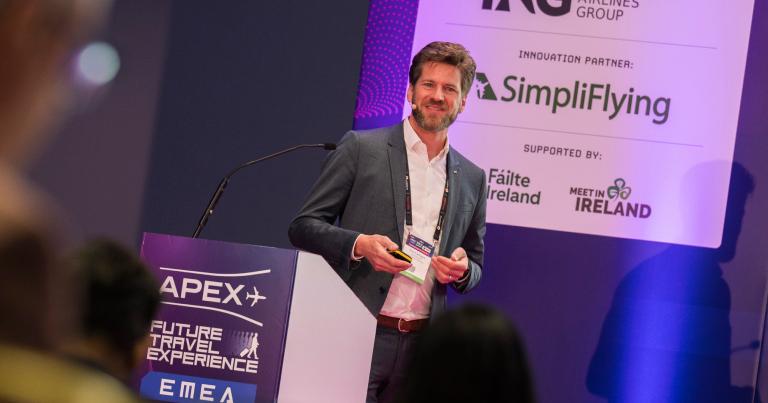
As airports increasingly seek to balance operational efficiency with passenger expectations for seamless, personalised experiences, digital transformation is becoming less about launching individual apps or online services and more about building the infrastructure that connects every stage of the journey. During his presentation at APEX FTE EMEA and Ancillary & Retailing 2026, Castagna outlined Zurich Airport’s vision of a connected digital experience platform that brings together information, commerce, operational data and AI to create smoother traveller journeys while strengthening retail and ancillary revenues. Rather than viewing digital channels as isolated touchpoints, Zurich Airport has built what Castagna repeatedly described as a platform – one capable of serving passengers, visitors, retailers and airport staff through a single digital backbone.
“Our purpose is to connect people and places, creating positive experiences,” Castagna explained. “My contribution is to provide the best-in-class digital B2C platform and ensure the quality of the passenger experience.”
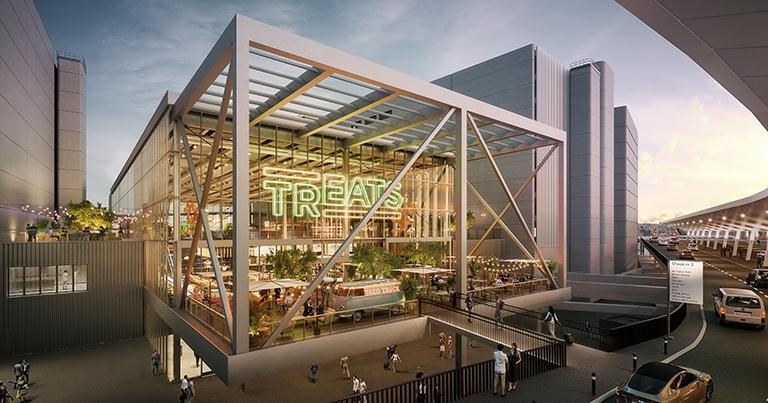
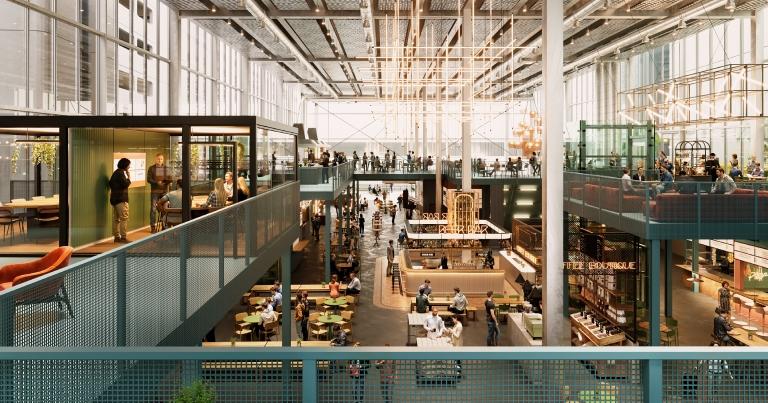
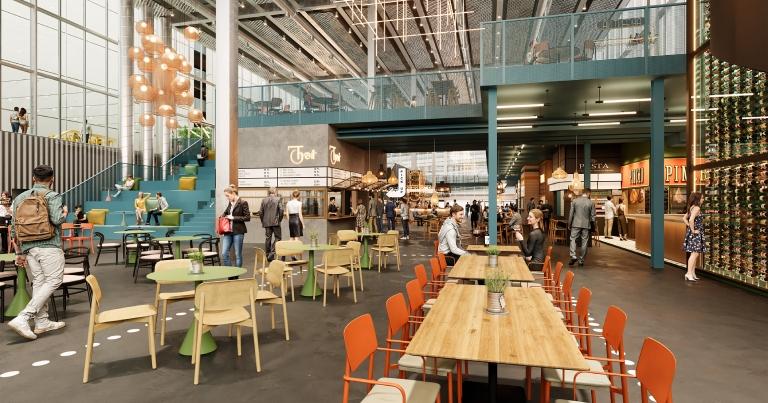
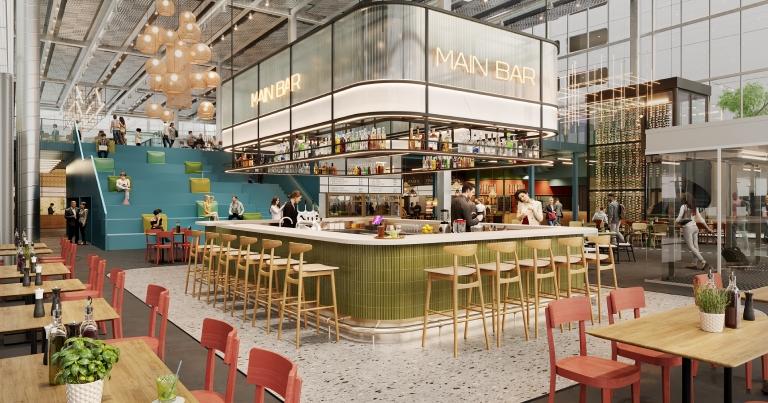
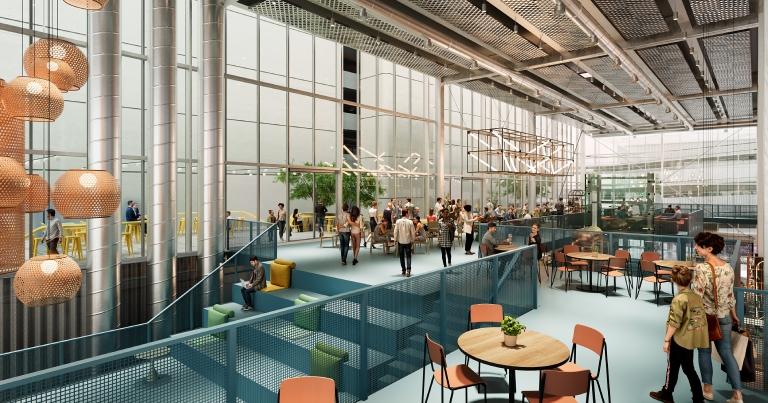
That ambition reflects the airport’s increasingly diverse role. Handling around 32 million passengers annually and located just 12 minutes by rail from central Zurich, the airport has evolved into far more than an aviation hub. Alongside its airside operations, it has become one of Switzerland’s largest shopping destinations, with retail, dining, offices, hotels and convention facilities all contributing to a broader airport ecosystem. As major redevelopment projects reshape the physical airport, including new retail concepts, expanded dining facilities, a new Dock A and a new control tower, digital transformation is progressing in parallel.
“It’s not a website, it’s a platform,” Castagna shared. “It’s combining web information, e-commerce, food & beverage, wayfinding, chatbot messages. It’s a whole platform that helps people get the information they need and buy services and products. But it’s also the backbone for everything we’re doing in the future.”
Most importantly, he explained, the platform has been designed around personalisation rather than generic digital experiences. “Its core capability is to provide personalisation on any front-end. However you interact with us, we try to at least understand the context you’re in, or even know you personally.”
Using digital to remove complexity before passengers arrive
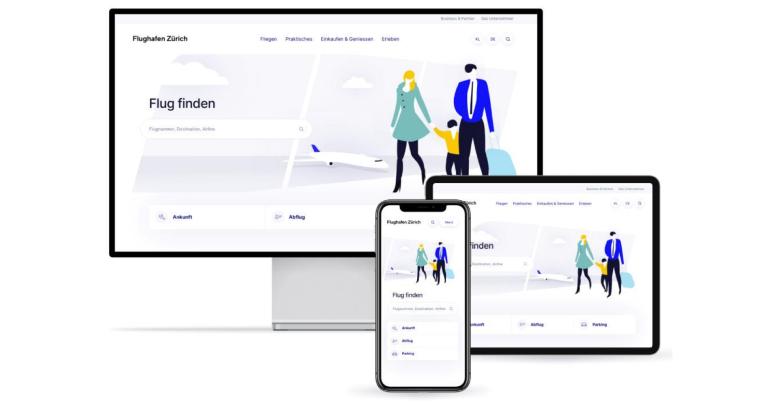
One of the strongest themes throughout the presentation was that successful digital transformation is often about removing small moments of uncertainty that collectively create stress for passengers. Rather than requiring travellers to calculate when they should leave home, estimate security waiting times or work out parking requirements themselves, Zurich Airport increasingly wants its digital platform to perform those calculations automatically. Basic services such as security information, prohibited items guidance, parking and wayfinding all contribute to reducing cognitive load before passengers even arrive at the airport.
“We provide information to help people plan their journey,” said Castagna. “We take computing power from people to the system, so they really have the information they need.”
The airport’s parking proposition illustrates this philosophy particularly well. While Zurich Airport has offered online parking reservations since 2014, the service has steadily evolved beyond a simple e-commerce transaction into a personalised planning tool. “When you travel every day, how should you know when you have to be at the airport?” Castagna asked. “Just give us slight information, and we will do the maths. We’ll provide the best offering.”
Those seemingly modest improvements can have a significant impact on passenger confidence. “We see that this reduces a lot of complexity and friction from passengers just with small changes,” said Castagna.
The same thinking extends to features that may appear simple but solve genuine customer problems, such as helping returning passengers locate their vehicle among the airport’s 20,000 parking spaces after returning from holiday. Rather than adding technology for its own sake, Zurich Airport’s approach focuses on anticipating customer needs and using contextual information to remove friction before passengers encounter it.
Connecting physical and digital touchpoints to create seamless experiences


Perhaps the clearest demonstration of Zurich Airport’s digital philosophy is its ZRH Comfort offering, which combines priority security access with food & beverage benefits through a single, seamless customer journey. Developed in partnership with airport retailers, the service avoids many of the traditional pain-points associated with vouchers, printed confirmations or separate redemption processes. Passengers book online before travelling but then interact only with their boarding pass throughout the experience.
“It’s not just adding or selling people a new product,” Castagna explained. “It’s really simple. You book, you need to do nothing. You can go to security control, just put your boarding pass on the priority access gate, and it works. Again, at the food & beverage outlet, just show the boarding pass and everything is done.”
For Castagna, the simplicity of the experience is every bit as important as the commercial proposition itself. “Nothing with additional vouchers. That’s too much friction. It’s not good for process times.”
Instead, Zurich Airport has focused on allowing technology to disappear into the background while physical and digital touchpoints work together almost invisibly. “This is really one of these offerings where we combine what we can do in the back-end with the technology and our partners together,” said Castagna. “At the end, it’s a smooth experience for passengers. It’s much less friction. It’s really about enjoying yourself at the airport.”
The example also reflects a wider evolution in airport retail. Rather than treating digital as a separate sales channel, Zurich Airport is using it to connect multiple partners into a single customer experience, making ancillary services easier to discover and simpler to consume.
Building a connected retail ecosystem
That philosophy extends beyond premium services into everyday airport retailing. Zurich Airport has introduced a digital food ordering platform that enables travellers to browse menus, place orders and pay directly from their table across participating restaurants. While mobile ordering has become increasingly common across hospitality, Castagna emphasised that the real challenge lies in coordinating multiple independent airport concessionaires through a shared platform. “We have many different outlets. To orchestrate that and provide a platform that is at a high standard and very easy to use for passengers is really important.”
The customer benefits are practical as well as commercial. Passengers can order and pay without needing to interrupt their meal when boarding is called or queue to settle the bill before heading to their gate. “There is no more stress for passengers when there is a boarding announcement and then they want to pay,” Castagna shared.
By onboarding multiple concessionaires onto the same platform, Zurich Airport is also helping retailers benefit from a consistent digital experience while maintaining their individual brands. “We leverage the experience together,” Castagna added.
Unlocking opportunities by treating employees as customers
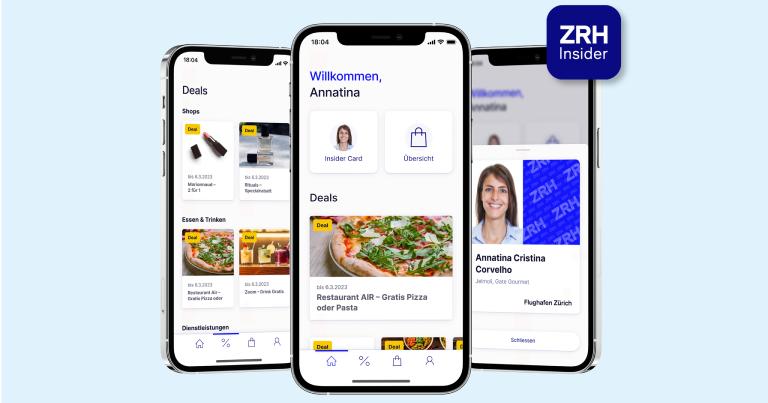

One of the more unusual examples presented during the session focused not on passengers but on the airport’s own workforce. Rather than developing a consumer mobile app, Zurich Airport has instead created a dedicated app for the approximately 35,000 people who work across the airport campus. “We don’t have a native app for passengers,” Castagna explained. “There are many other apps already doing this.”
Instead, the airport identified employees as an important audience with significant commercial potential. “They work there. They almost live there. They eat there. They shop there,” said Castagna.
The staff app combines airport news, offers, retail discounts, event information and digital identification into a single platform, allowing employees to access promotions simply by scanning their staff badge. As with the passenger platform, simplicity remains central. “You don’t have to do anything else,” Castagna highlighted. “You can use all the systems together to provide a smooth experience.”
AI has already been integrated into the staff experience through a conversational assistant capable of answering routine questions ranging from parking and facilities to restaurant menus and daily services. “Where can I park my car? Where can I shower after my sports? What’s the menu today?” said Castagna, illustrating the types of queries the assistant already handles.
The initiative demonstrates how the same digital platform can support multiple customer groups while creating value for retailers, airport partners and employees alike. “We have one platform serving as an orchestrator for all these different use cases,” Castagna explained. “Whether you’re a traveller, shopper, visitor or even staff member, we can provide access, services and new offerings together with all the retail partners at the airport.”
Preparing for an AI-first future
Perhaps the most thought-provoking section of the presentation looked beyond today’s digital services towards the growing influence of generative AI and conversational interfaces. Zurich Airport has spent almost two years experimenting with GPT-based flight information services, using the experience to understand both the opportunities and the limitations of large language models. “For us, it was a learning curve,” Castagna shared. “How does it work? What’s relevant to customers? There was also a lot of fun with hallucinations and all of this.”
However, the biggest lesson was strategic rather than technical. “I’m convinced that we have to let go of this illusion of owning the front-end,” Castagna added.
Instead of trying to force travellers into airport-owned digital channels, Zurich Airport is preparing its platform so that reliable information can be consumed wherever customers choose to interact – whether through search engines, AI assistants or future digital interfaces that may not yet exist. “Our platform is really built to provide reliable information to any front-end,” Castagna explained. “I’m happy if people are using the service they like best in their daily life.”
Achieving that requires a different way of thinking about digital content. “We’re looking at all these new capabilities, so they can offer the right information to these AI tools,” said Castagna. “We’re not there yet.”
The challenge extends beyond publishing information for human readers. “It’s not only readable for humans,” Castagna noted. “It’s really also readable for the machine.”
That shift may ultimately become one of the defining challenges for airport digital strategies over the coming years, requiring organisations to think beyond websites and mobile apps towards structured, trusted data that can power an increasingly AI-driven travel ecosystem.
Castagna also acknowledged that while data sharing will become increasingly important, airports must strike an appropriate balance between openness and customer expectations around privacy. “I’m not convinced that our guests would be okay with sharing data with everyone. I see us really as the orchestrator providing information.”
Building the airport platform of the future
Taken together, Zurich Airport’s initiatives reveal a broader transformation than simply launching new digital services. Parking, priority security, retail ordering, staff engagement and conversational AI are all built upon the same underlying platform, allowing information, services and partners to work together rather than operating independently. Throughout the presentation, Castagna repeatedly returned to the idea of orchestration. The airport’s role is no longer simply to provide infrastructure or publish information, but to connect physical spaces, digital services, commercial partners and operational data into experiences that feel seamless for customers.
As airports continue investing in digital transformation, Zurich Airport’s experience suggests that competitive advantage may increasingly come not from individual applications or technologies, but from the platforms that connect them. By combining personalisation, frictionless customer journeys, integrated retail and AI-ready information within a single digital ecosystem, the airport is laying the foundations for a future in which every interaction, whether physical or digital, becomes part of one connected passenger experience.
What’s next – FTE Global, Dallas, Texas, 8 to 10 September 2026, and APEX FTE EXPO Asia, Singapore, 18 to 19 November 2026

You may also be interested in
12 technology and CX trends that can enhance airline and airport operations in 2026
Vote now: What will be aviation’s most game-changing technology over the next 20 years?