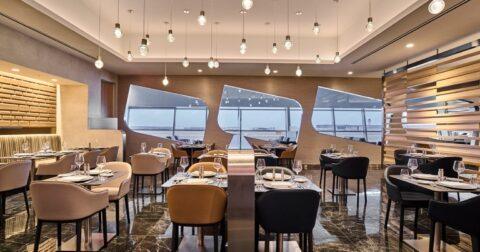





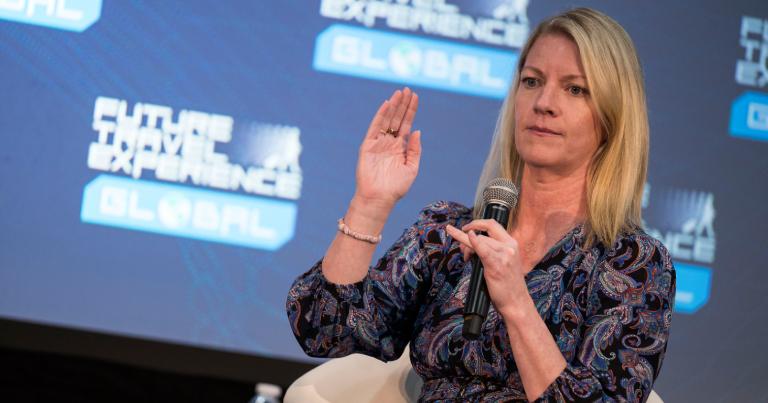
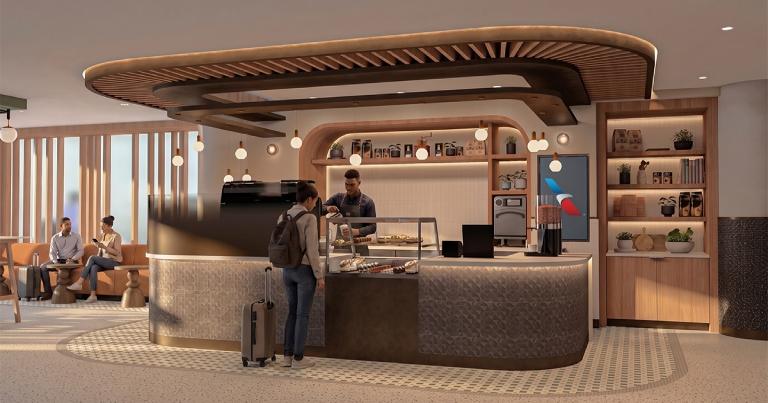
At the 20th anniversary edition of FTE Global, which took place in Dallas, Texas, on 8 to 10 September 2026, American Airlines Senior Vice President and Chief Customer Officer Heather Garboden outlined an accelerated investment plan that could bring nearly one new, renovated, or expanded lounge experience to the airline’s network per month on average over the next two to three years.
In the compelling keynote, Garboden also discussed American’s investments across four key priorities concerning the passenger experience: disruption management, team member interactions, digital technology and data, and premium service.
Mark your diary for FTE Global 2027 – 7 to 9 September, Las Vegas >>Accelerating American’s premium experience
American’s lounge plans show how quickly the airline wants to improve its premium offering. Garboden said American is adding new lounges while renovating and expanding existing spaces at a pace greater than anything the carrier has undertaken before. Over the next two to three years, she expects the airline to introduce nearly one new or updated lounge experience per month on average.
“It’s something that customers value, and it’s an important part of our programme and our credit card,” Garboden said.
She confirmed American is re-evaluating its Flagship Lounge experience, which the carrier introduced about a decade ago, claiming this timeline gives the airline an opportunity to reconsider what customers expect from a premium lounge today.
Food and beverage plays another role in its premiumisation effort, both on the ground and onboard. Garboden pointed to American’s partnership with Dallas barbecue restaurant Pecan Lodge, which started on a smaller scale before expanding to eligible flights with meal service from Dallas Fort Worth International Airport.
The partnership took home the award for ‘Best Food & Beverage – Meal Service’ at the 2026 IFSA Awards during IFSA Global EXPO, which was co-located with FTE Global in Dallas, Texas this year. During IFSA Global EXPO, American Airlines also took part in a Chef Demo led by Pecan Lodge Co-Founder Justin Fourton and SkyChefs Corporate Executive Chef Mark Young to showcase the partnership’s dishes to attendees. “Customers love it,” Garboden said.
The airline has also added brands including Lavazza coffee and Bollinger Champagne to both its lounges and onboard offerings. These partnerships give American another way to bring recognisable products into the travel experience while looking outside aviation for ideas that can strengthen its premium positioning.
Connecting more of the journey through the app
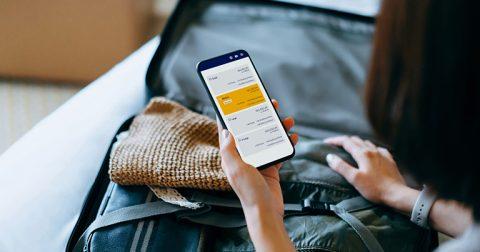
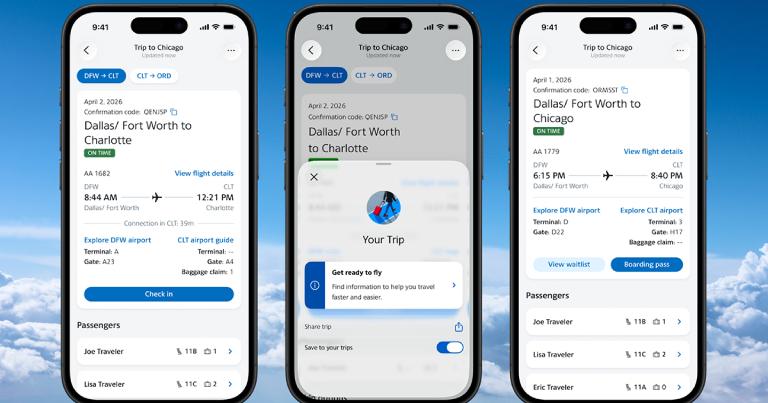
Elsewhere, American wants its digital tools to connect more parts of the trip rather than treating each step separately. Garboden explained that the airline wants its app and AA.com to support customers from the time they begin planning a flight through the airport, onboard experience, and baggage claim. “We want all of that to be able to occur within the app,” she said.
The app gives American one of its most direct ways to communicate with passengers. “It’s imperative that we have the best possible app,” Garboden said. “We want the best app in the industry.” American launched a redesigned mobile experience last year, but Garboden described that work as an early step in a larger effort.
Moreover, disruption management remains a major focus. American wants passengers to understand not only that a flight has changed, but why it changed and what that means for the rest of their trip. Garboden argued that clear information matters even more during weather or maintenance events, when passengers may need to make decisions quickly.
“We’ve made a great start, but we have a lot more to do,” she explained.
Bringing the at-home experience onboard
That connected digital experience continues once passengers board. Garboden said customers increasingly expect to stay connected in the air and use several screens at once. “We want the experience inflight to be the experience that you have at home,” she said.
That expectation supports American’s investment in faster WiFi, with Starlink due to be rolled out across 500 narrow-body jets starting in the first quarter of 2027, and seatback entertainment, wherein it will install seatback screens at every seat on new Airbus and Boeing aircraft delivered beginning in 2028. Garboden pushed back on the idea that personal devices have made seatback screens unnecessary.
She compared the shift to how consumers moved from desktop computers to laptops, smartphones, and tablets. Each new device added another option rather than replacing the others. “It’s all additive,” Garboden said.
Passengers often bring that same behaviour onboard. Someone may work on a laptop or check a phone while watching a movie or following the flight map on the screen in front of them. American therefore sees connectivity and seatback entertainment as products that complement each other, helping the onboard experience feel more natural across different devices.
Focusing on what drives customer choice
These individual investments reflect a broader effort to understand which parts of the trip matter most to customers. Garboden said American spent significant time studying customer insights and identifying what drives choice, along with the basics that can push travellers away when the airline does not deliver them well.
“We were super focused on what drives customer choice,” Garboden said. That work led to four priorities: disruption management, team member interactions, digital technology and data, and premiumisation.
The priorities help explain why American is investing across several parts of the trip. A renovated lounge, clearer disruption information, faster WiFi, seatback entertainment, and a stronger employee interaction can all influence how a passenger views the airline.
Garboden emphasised that technology alone cannot improve the passenger journey, which is why team member interactions remain one of American’s four priorities, placing employee service alongside its digital and premium investments.
Building a more distinct American experience
Over the past 18 months, American has introduced a large number of customer-facing changes, but Garboden made clear that the airline still sees more opportunity ahead. A stronger app can help passengers make decisions during a disruption, while faster WiFi and seatback entertainment can create a more connected inflight experience.
New lounges, food partnerships, and employee service enhancements can strengthen how customers experience the airline before, during, and after the flight. Garboden said her longer-term goal is for American to stand out for both its technology and the customer experience it delivers.
American’s strategy points to a broader shift in the passenger experience: individual products matter more when they work together across the trip. The next step for airlines will be connecting digital tools, physical products, and employee service so the journey feels more consistent from booking to arrival.
Mark your diary for FTE Global 2027 – 7 to 9 September, Las Vegas >>You may also be interested in
12 technology and CX trends that can enhance airline and airport operations in 2026
Air Canada targets more proactive, personalised passenger experience with AI and better data
Making travel more human: Virgin Voyages on AI, hospitality and reimagining the passenger experience