
International Airlines Group and Microsoft have signed the largest co-funded purchase agreement for Sustainable Aviation Fuel emissions reductions globally, where both parties are funding part of the cost.


REDEFINING THE END-TO-END PASSENGER EXPERIENCE AND BUSINESS PERFORMANCE

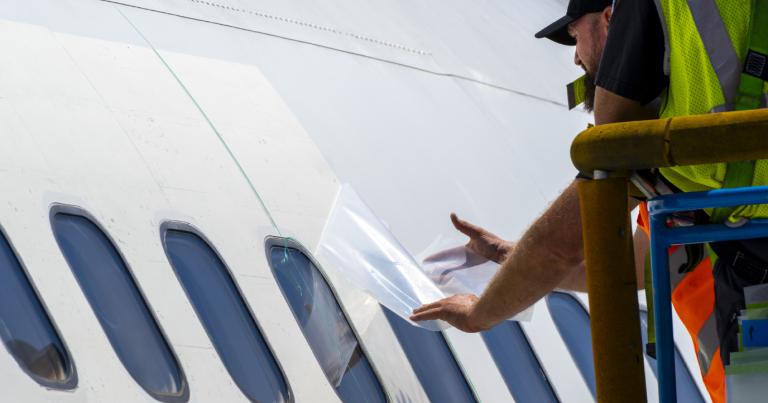
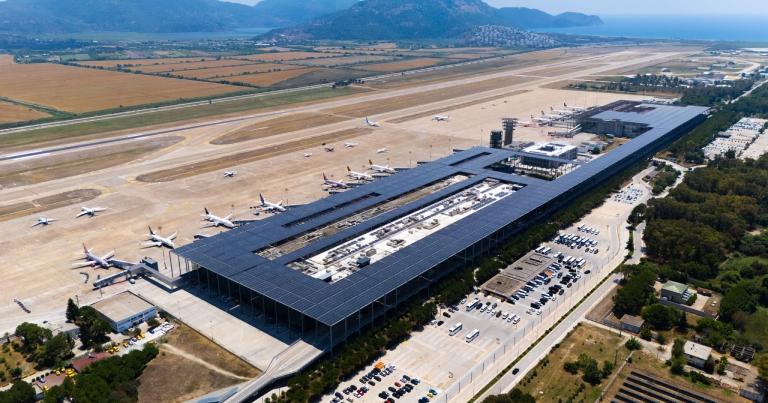
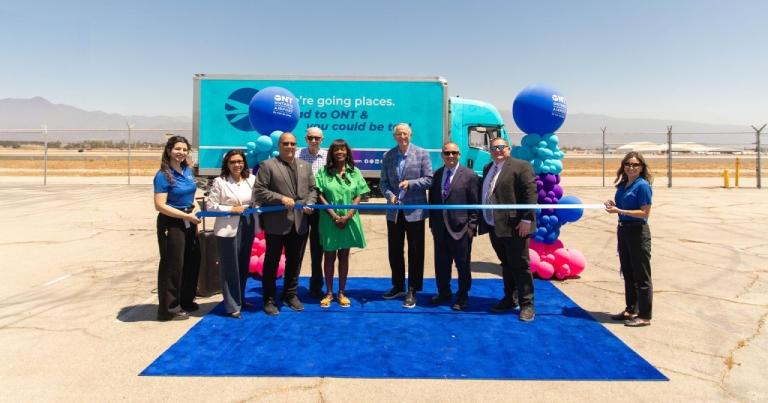
International Airlines Group and Microsoft have signed the largest co-funded purchase agreement for Sustainable Aviation Fuel emissions reductions globally, where both parties are funding part of the cost.
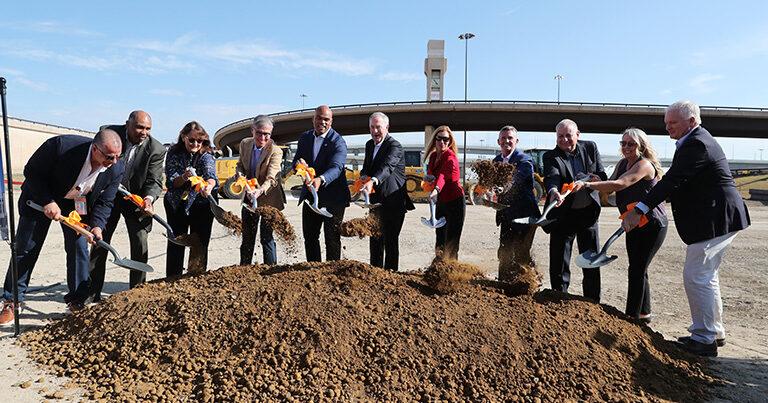
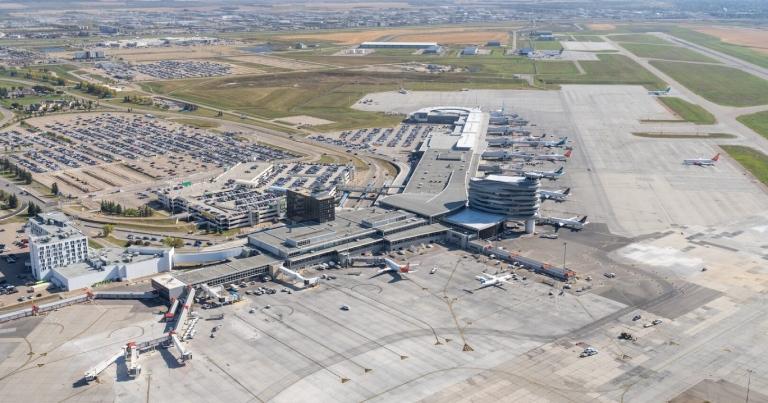
As part of its commitment to achieve net-zero carbon emissions by 2030, DFW Airport has started construction of an electric Central Utility Plant that will provide sustainably-powered heating and cooling.
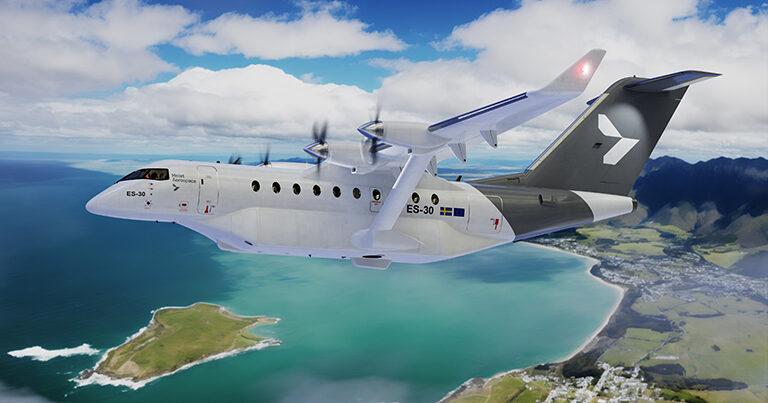
As part of the airline’s ‘Mission Next Gen Aircraft’, Air New Zealand has opened an Expression of Interest to airports with the aim of selecting a route for its commercial demonstrator aircraft from 2026.
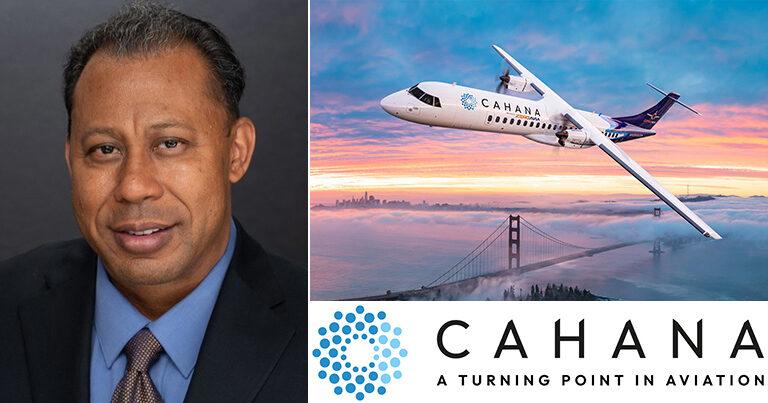
In this deep-dive interview, Tony Thompson, Founder and CEO, Air Cahana, shares the new California-based airline’s mission to decarbonise aviation and welcome in a “Third Golden Age of Aviation” by 2030.
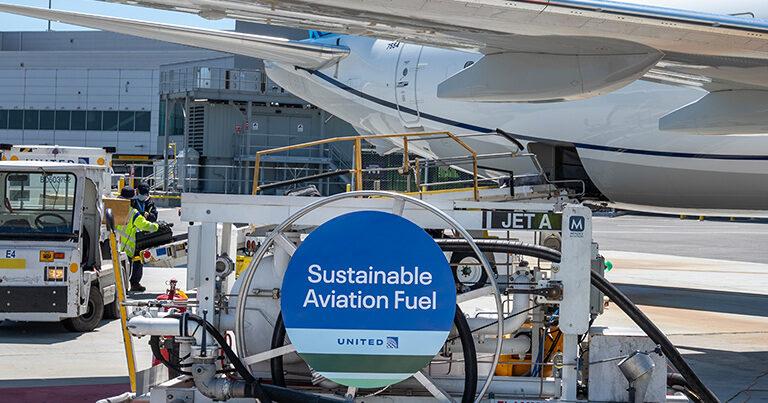
The United Airlines Ventures Sustainable Flight Fund – a way for companies and consumers to come together and increase the supply of SAF through the support of start-ups – has grown to nearly $200 million.
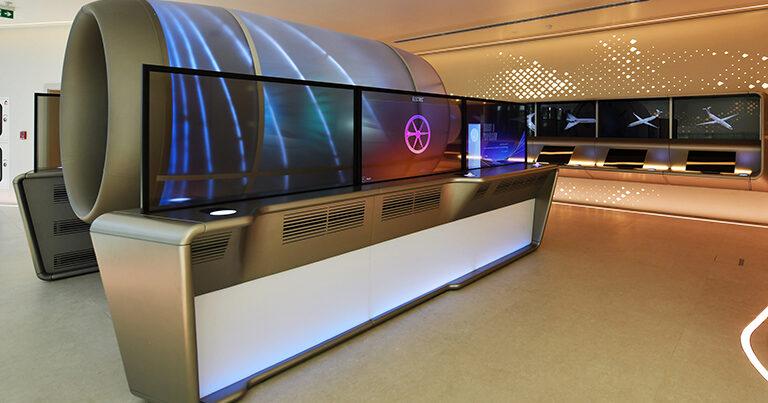
Emirates has committed US$200 million to fund research and development projects focused on sustainability. It will identify partnerships with organisations working on solutions in advanced fuel and energy technologies.
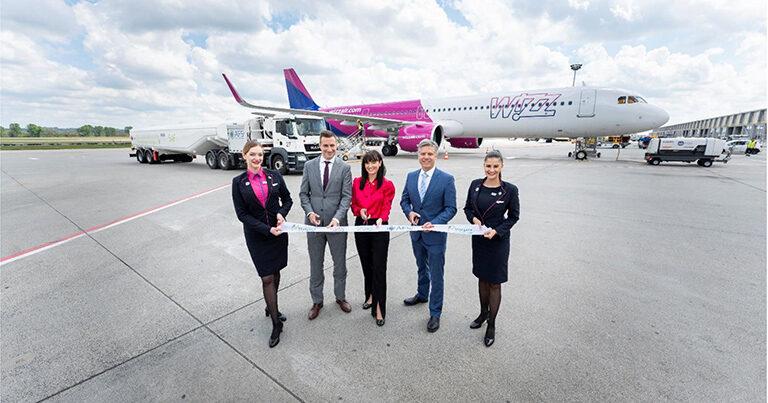
Budapest Airport and Wizz Air, in cooperation with fuel suppler MOL, Neste, and RÜK (Airport Fuel Supply Kft.) have started commercially testing SAF supply. The project supports efforts to reduce lifecycle CO2 emissions.

Alaska Airlines has presented a Bombardier Q400 to ZeroAvia that will be retrofitted with a hydrogen-electric propulsion system in an effort to expand the reach and applicability of zero emissions flight technology.






Norwegian has partnered with Norsk e-Fuel to build the world’s first full scale e-fuel plant in Mosjøen, Norway. The plant will produce Sustainable Aviation Fuels, as Norwegian targets a 45% emissions reduction by 2030.

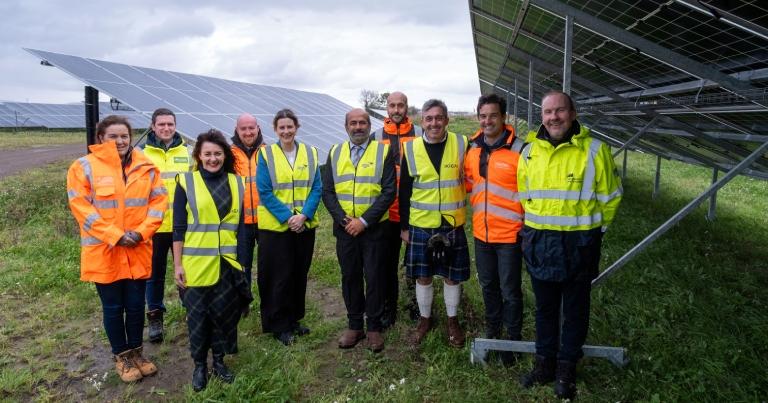
VINCI Airports is to launch a 14-hectare solar power plant at Lyon-Saint Exupéry Airport. Construction work will begin this autumn for a commissioning in the summer of 2024. It will produce 24 GWh of green electricity annually.
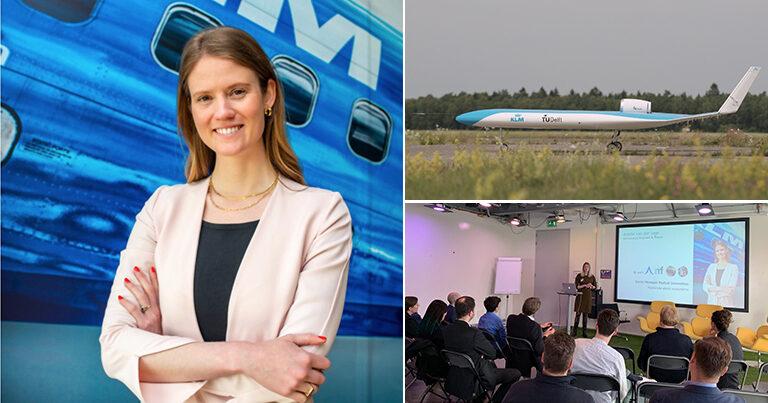
Arlette van der Veer, Senior Manager Radical Innovation, KLM, explains current projects including digitalisation of the KLM Innovation Ecosystem and what industry stakeholders can learn from the KLM approach to innovation.
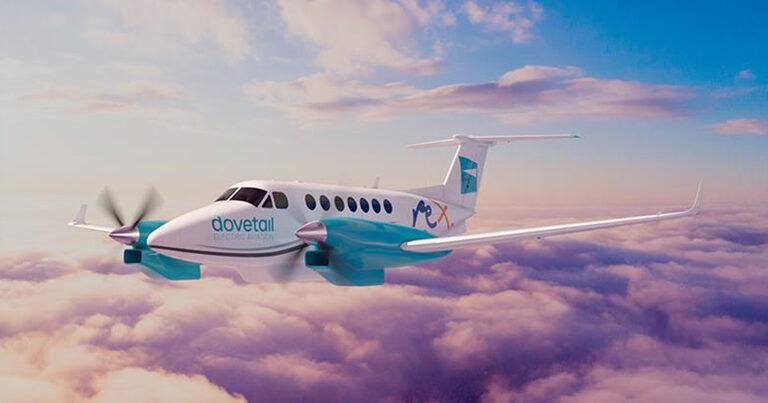
Australian regional airline Regional Express has announced it has taken a 20% stake in Dovetail Electric Aviation, which is pioneering the conversion of turbine-powered aircraft to electric, emission-free propulsion.
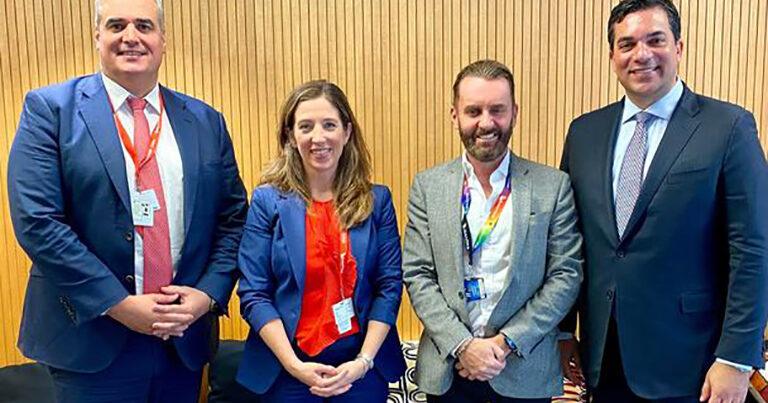
The Qantas Group, Airbus and the Queensland Government are teaming up to invest in a biofuel production facility that will turn agricultural by-products into jet fuel. It is the first project funded under the Qantas and Airbus Australian Sustainable Aviation Fuel Partnership.
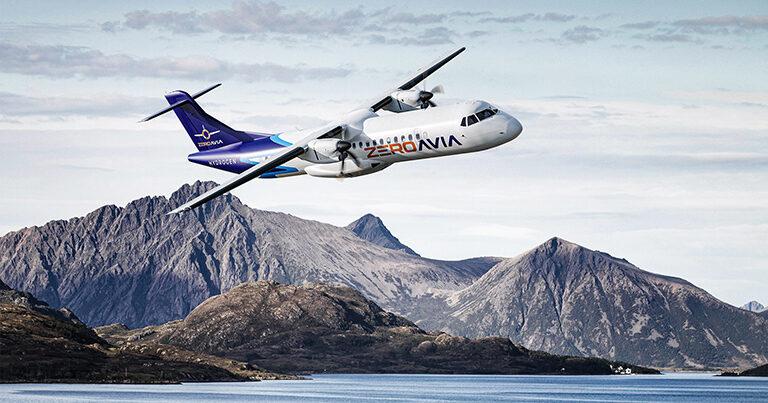
Braathens Regional Airlines, Skellefteå Airport, municipal energy company Skellefteå Kraft, and ZeroAvia, are partnering to develop commercial routes using a hydrogen-electric powertrain, bringing zero-emission flights to Sweden.
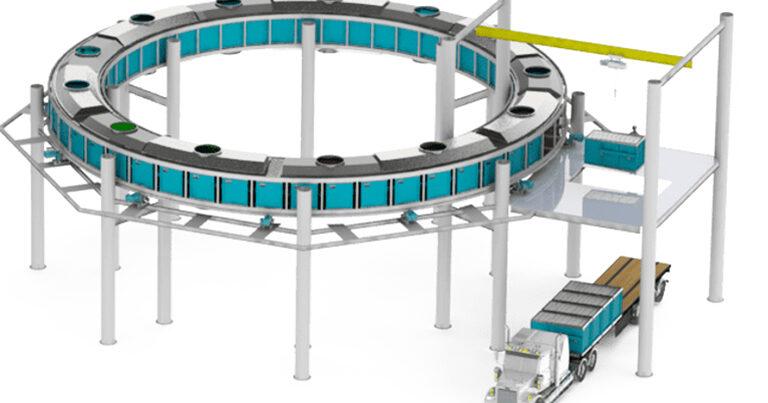
United Airlines has announced a $15 million investment in carbon capture technology company Svante, as it looks to turn CO2 removed from the atmosphere into Sustainable Aviation Fuel.

The Lufthansa Group is introducing ‘The Green Fares’ in response to passenger demand for sustainable travel. This makes it possible to fly more sustainably with just one click, as the new fares include offsetting of flight-related CO₂ emissions.
Get Future Travel Experience news & updates sent to your inbox