




Summary:
- Ninoy Aquino International Airport expands automated passenger processing as more airlines integrate with its self-service ecosystem.
- Self-check-in kiosks, automated pre-security gates and self-boarding lanes across Terminals 1, 2 and 3 enhance passenger flow and reduce congestion.
- The programme, led by New NAIA Infrastructure Corporation, supports biometric-aligned standards and operational efficiency at Manila’s primary gateway.
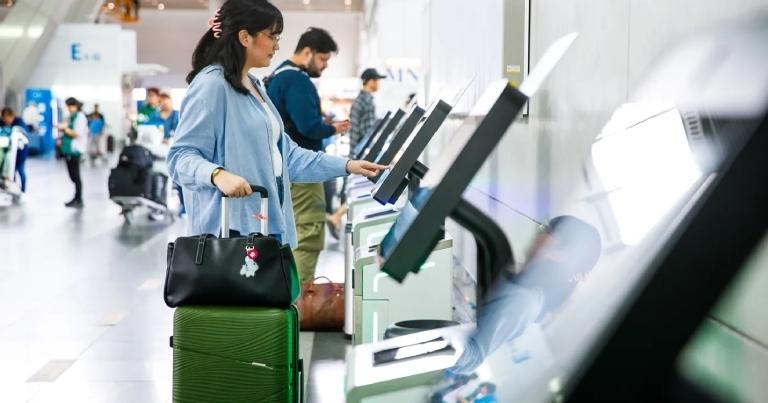
Ninoy Aquino International Airport (NAIA) in the Philippines is making self-check-in kiosks accessible to more travellers with additional airlines joining the new automated passenger processing programme introduced by the New NAIA Infrastructure Corporation (NNIC). More passengers can now use NAIA’s self-check-in kiosks, automated pre-security screening gates, and self-boarding gates at Terminals 1, 2, and 3, as additional airlines complete system integration and join the airport’s automated passenger processing programme.
The system, which has been progressively implemented across the airport, allows eligible passengers to check-in, print boarding passes, tag their bags, clear initial security, and board flights through automated lanes, helping reduce queuing times and ease congestion at traditional counters. A phased activation of automated bag drop features is also ongoing.
“These systems are already operational, and we are seeing more airlines come on board as integration is completed,” said NNIC. “As participation expands, more passengers will be able to move through check-in, security, and boarding more efficiently.”
The automated processing systems form part of NAIA’s broader efforts to improve passenger flow and align airport operations with biometric-enabled standards used at major international hubs.
Passengers on eligible flights are encouraged to use the self-check-in kiosks located near the check-in areas of each terminal. After printing boarding passes and bag tags, they may proceed to bag drop counters or automated lanes before continuing through the pre-security and self-boarding gates. Additional airlines and routes will be enabled in the coming months as integration work continues.
You may also be interested in
12 technology and CX trends that can enhance airline and airport operations in 2026