




The 20th anniversary edition of Future Travel Experience Global took place in Dallas, Texas, on 8 to 10 September 2026, where it was co-located with IFSA Global EXPO, bringing the passenger experience ecosystem together under one roof and collectively attracting over 2,000 delegates. Headline Partners were American Airlines, Southwest Airlines, Dallas Fort Worth International Airport and Dallas Love Field Airport. Attendees came together to network, learn, forge new partnerships, collaborate and be inspired on their next moves to transform their organisations’ passenger experience, business performance and innovation strategies. Under the theme of ‘Transforming Travel Together’, the event was packed with inspirational content, world-class speakers, a dynamic exhibition and live demos of future-focused innovations, Tech & Innovation Briefings on the expo floor, the landmark FTE Global Moonshot Competition and FTE Global Pioneer Awards, a unique social and networking programme, and much more.
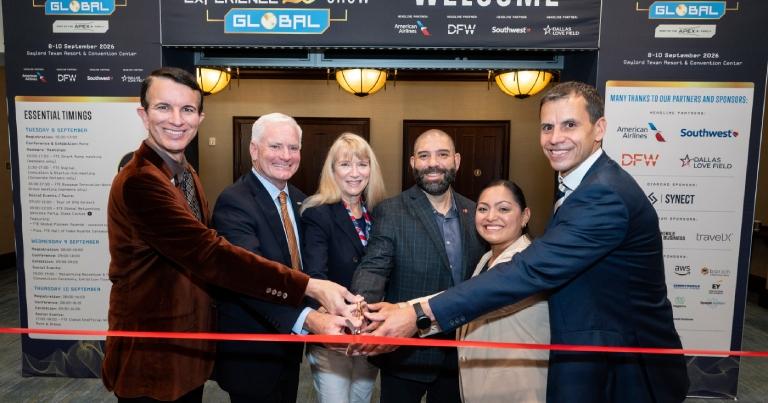
The official ribbon-cutting ceremony was performed by a high-level delegation, including Dr Joe Leader, Group CEO, APEX/FTE/IFSA; Chris McLaughlin, CEO, Dallas Fort Worth International Airport; Rhonda Crawford, SVP, Customer Experience Design, American Airlines; Kevin Kleist, Head of Emerging Trends, Southwest Airlines; Heather Estrada, Assistant Director – Airport Customer and Community Engagement, Dallas Love Field Airport; and Max Gosney, Managing Director, Future Travel Experience.
It was also announced that next year FTE Global will re-locate to Las Vegas on 7 to 9 September 2027. Take a look at our visual round-up of the key highlights from FTE Global 2026.
Join us at APEX FTE EXPO, Singapore, 18 to 19 November 2026 – find out more >> Join us at the FTE World Innovation Summit, Tokyo, 1 to 3 March 2027 – find out more >> Join us at APEX FTE EMEA and Ancillary & Retailing, Dublin, 15-17 June 2027 – find out more >> Mark your diary for FTE Global 2027 – 7 to 9 September 2027, Las Vegas >>New Speed Networking: Enabling rapid connections between innovators and buyers
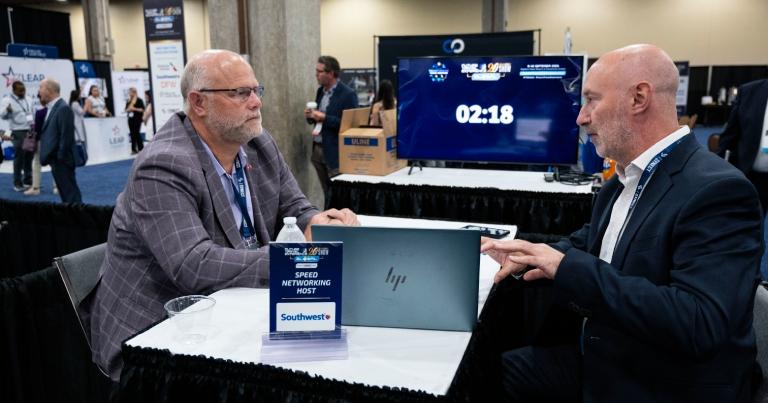
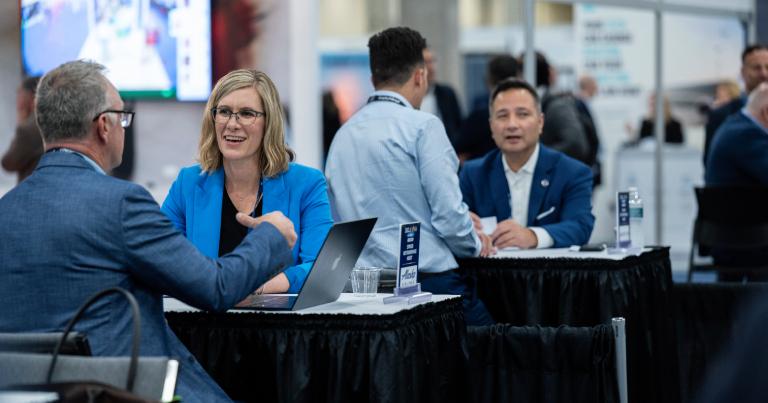
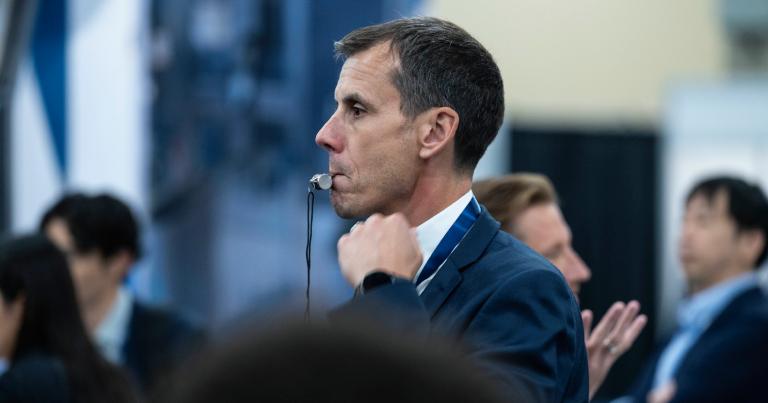
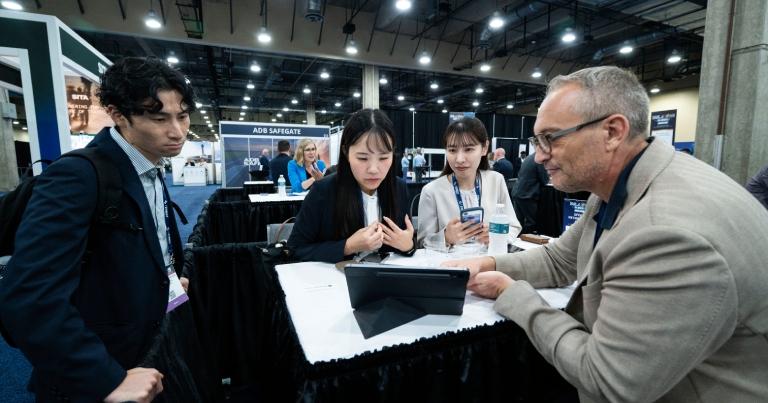
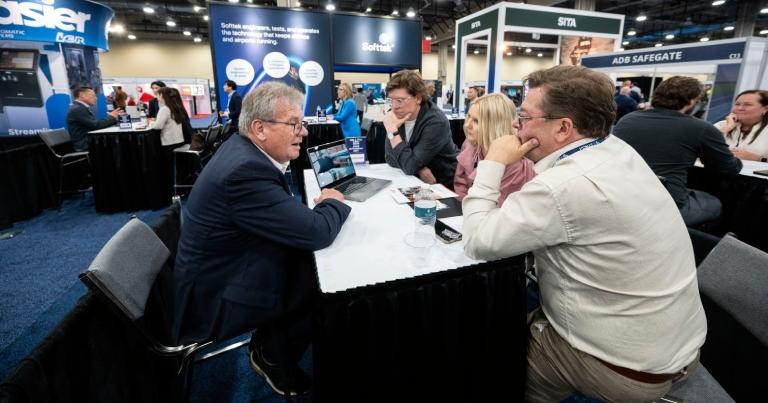
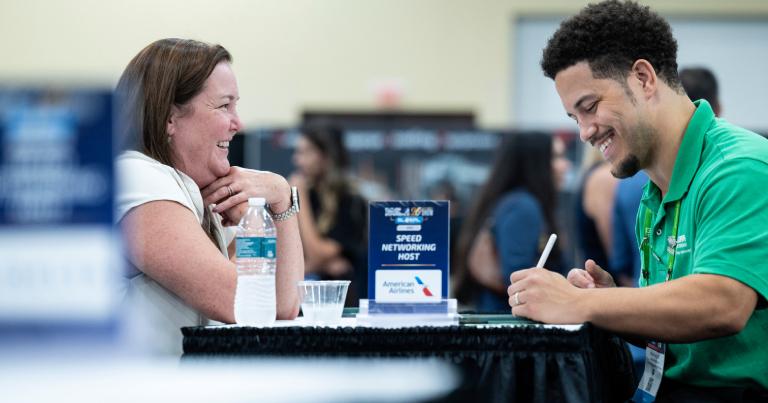
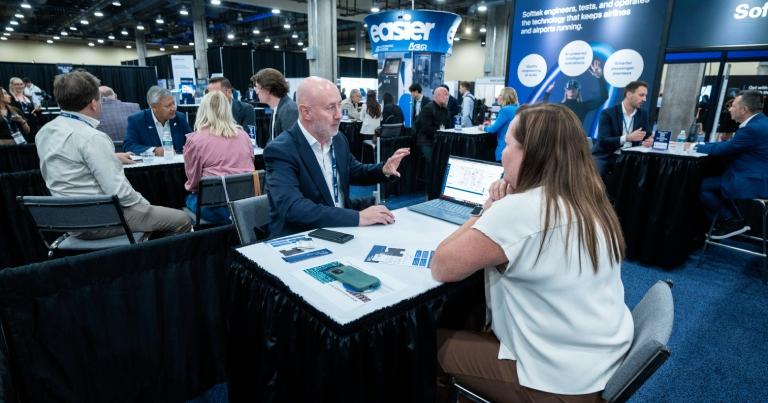
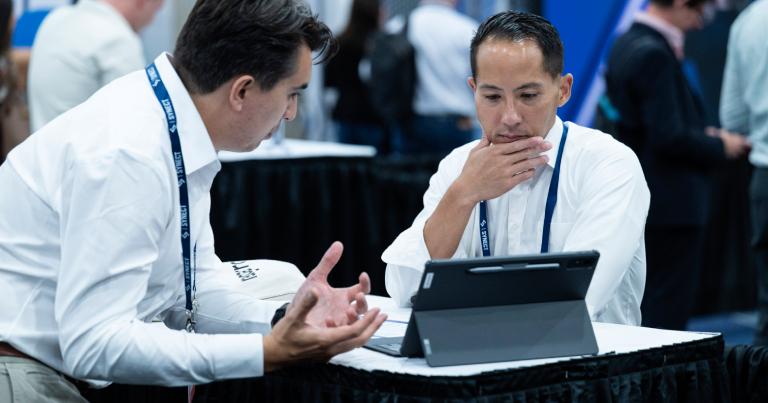
Following its highly successful introduction at APEX FTE EMEA and Ancillary & Retailing in Dublin in June, the Speed Networking initiative debuted in Dallas bigger than ever. The fast-paced and highly focused format was designed to accelerate meaningful connections between solution providers and senior airline and airport decision-makers. Two one-hour sessions – one each dedicated to airlines and airports – offered participants a structured opportunity to engage in guaranteed, pre-scheduled five-minute meetings with leading industry stakeholders actively exploring innovation. The format was designed to maximise efficiency and relevance, enabling attendees to move beyond traditional networking and quickly establish direct contact with key buyers. By concentrating discussions into short, targeted exchanges, the initiative aimed to help participants clearly present their solutions, exchange contact details and lay the groundwork for future collaboration in a highly time-efficient environment. Serving as hosts for the FTE Global Speed Networking Forum were representatives from Alaska Airlines, All Nippon Airways, American Airlines, Charlotte Douglas International Airport, Cleveland Airport System, Dallas Fort Worth International Airport, Dallas Love Field Airport, Delta Air Lines, Finnair, Gerald R. Ford International Airport, JFK International Air Terminal, King Salman International Airport, Metropolitan Airports Commission (MSP Airport), Metropolitan Washington Airports Authority, Munich Airport, Southwest Airlines, Tampa International Airport and Vancouver International Airport. Their involvement underscored the strong appetite across the sector for more direct, outcome-focused engagement between innovators and operators. By formalising these rapid-fire interactions within the event agenda, the Speed Networking Forum reflected a broader industry shift towards more agile, structured and results-driven approaches to partnership-building and innovation discovery within aviation.
Inspirational keynotes from DFW, Virgin Voyages, JSX, Southwest, American, Air Canada, PIT and oneworld
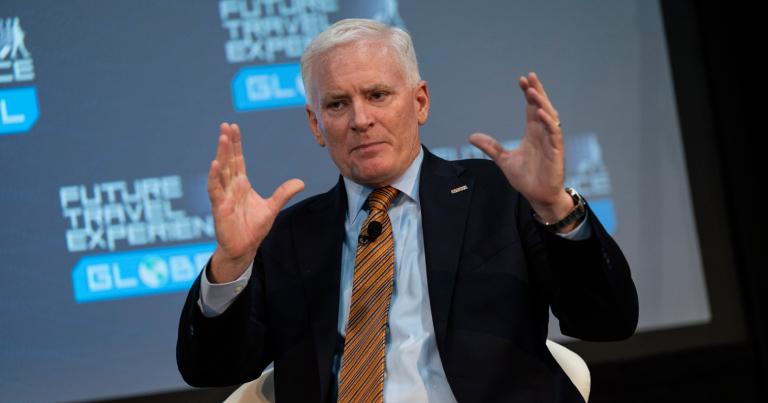
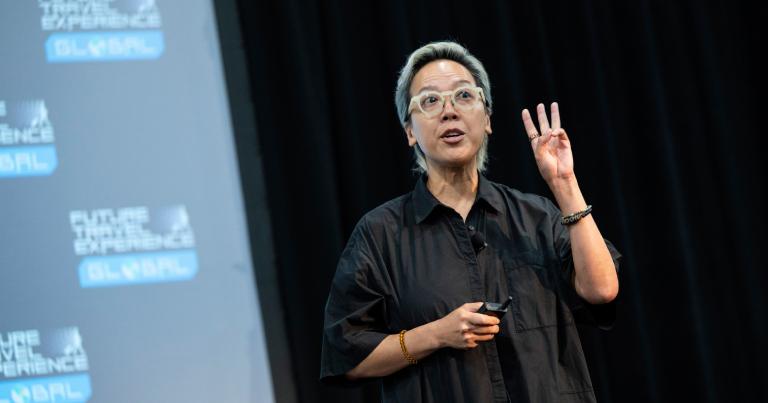
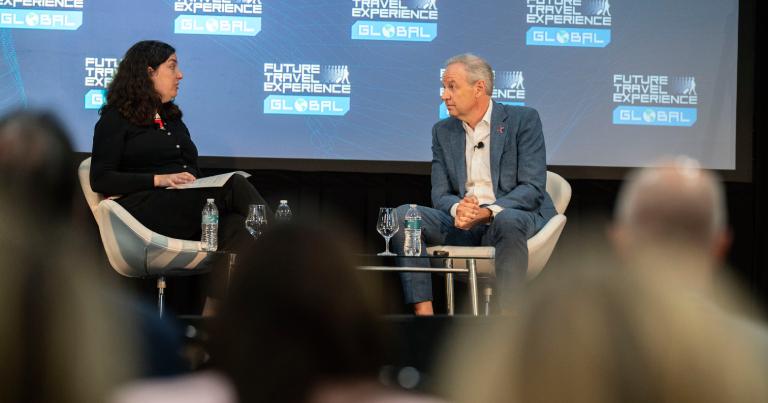
The FTE Global Opening Keynote Session featured compelling keynotes from Chris McLaughlin, CEO, Dallas Fort Worth International Airport (DFW); Nicole Huang, SVP Fleet Experience, Virgin Voyages; and Alex Wilcox, Co-founder & CEO, JSX.
In a compelling Keynote Fireside Chat with Max Gosney, Managing Director, Future Travel Experience, Chris McLaughlin discussed resilience and innovation at DFW with a focus on building the future of travel.
Nicole Huang then shared a captivating keynote address titled ‘More human, powered by AI: The future of hospitality’, in which she challenged airline and airport leaders to judge artificial intelligence (AI) by a different standard: not how much it automated, but how well it helped people listen, understand, and act. “AI only provides context,” Huang reflected. “Human beings interpret the nuance and act on it.” Read our full report on the keynote address by Nicole Huang, SVP Fleet Experience, Virgin Voyages, here.
Alex Wilcox followed with an insightful Keynote Fireside Chat moderated by Alison Sider, Air Travel Reporter, The Wall Street Journal. Wilcox discussed the unique business model and growth strategy of JSX as a middle-ground between commercial airlines and private jets, as well as how technology and infrastructure drive the company’s competitive advantage.
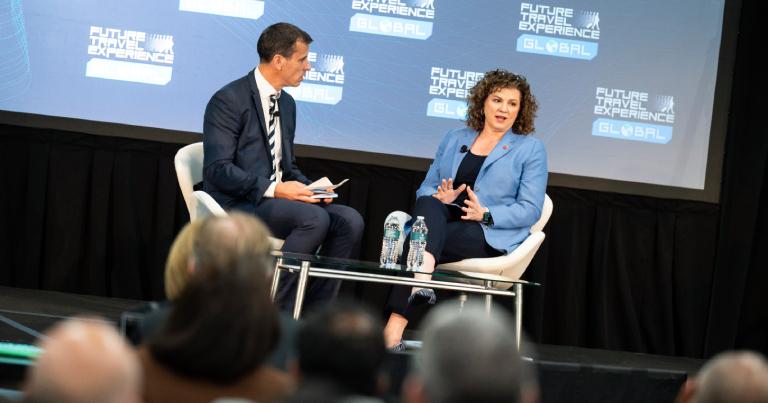
Southwest Airlines Executive Vice President and Chief Information Officer Lauren Woods, participated in a compelling Keynote Fireside Chat focused on ‘How Southwest Airlines will use technology to achieve its aim to be the world’s most loved, most efficient, and most profitable airline’. In conversation with Future Travel Experience Managing Director Max Gosney, Woods discussed how data, artificial intelligence (AI), and new employee tools can make travel easier, improve reliability, and help employees take better care of customers. Woods said the investments should strengthen the passenger journey while keeping Southwest’s human touch at the centre. Read our full report on the keynote address by Southwest Airlines Executive Vice President and Chief Information Officer Lauren Woods here.
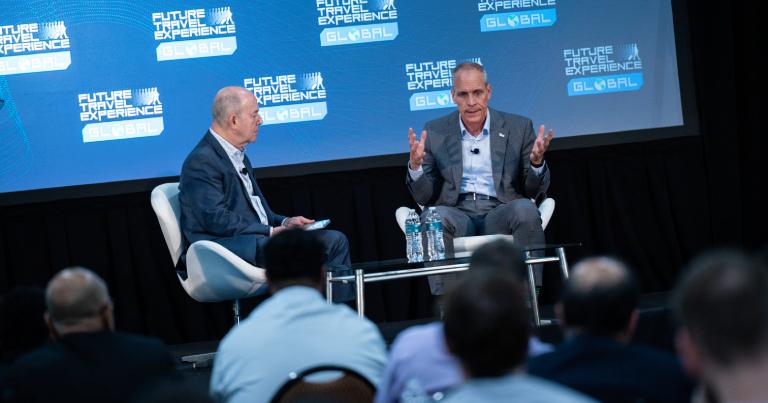
In the Day 1 Closing Keynote, Nat Pieper, Chief Commercial Officer, American Airlines, outlined a commercial strategy built around what he described as a “virtuous circle” connecting network, customer experience and revenue. In a Keynote Fireside Chat moderated by Henry Harteveldt, President and Travel Industry Analyst and Advisor, Atmosphere Research Group, Pieper explained how these three areas are increasingly being managed as interconnected elements of the end-to-end passenger journey, with operational reliability, particularly on-time performance and disruption management, acting as a critical foundation. The discussion also explored American’s growth priorities, including strengthening its international network, expanding regional connectivity and optimising its fleet amid ongoing aircraft supply constraints. On the customer experience side, the airline is investing in high-speed WiFi, inflight dining and cabin technology, while technology is also being deployed to remove friction from the passenger journey. Pieper highlighted the potential for artificial intelligence (AI) to move beyond individual use cases and transform complex organisational processes, alongside examples such as simplifying the traditionally cumbersome refund process. Looking further ahead, the conversation touched on the potential for greater digital personalisation, including how onboard screens and passenger data could eventually support more tailored experiences and commercial opportunities.
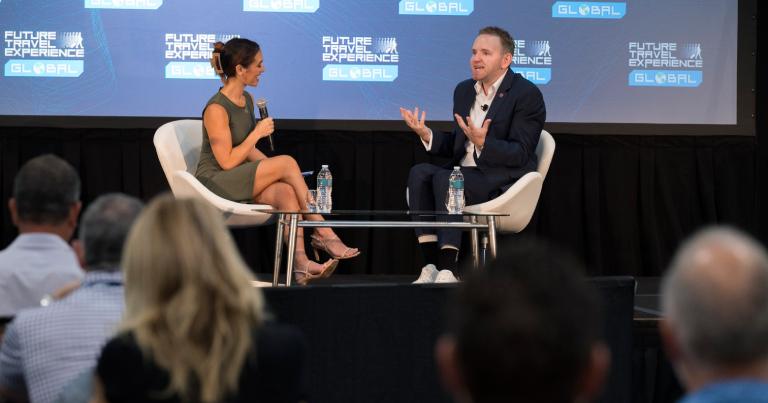
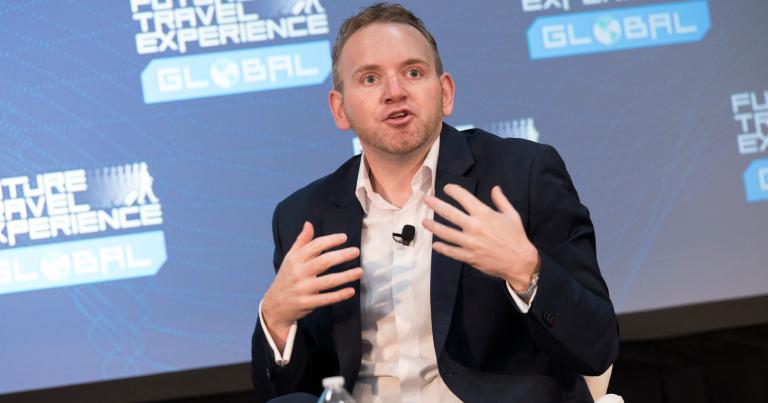
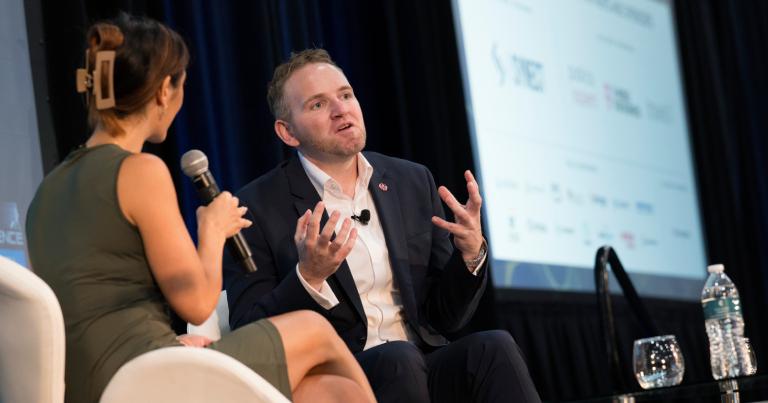
Opening Day 2, Air Canada Vice President of Customer Experience and Service Operations Tom Stevens participated in an insightful Keynote Fireside Chat titled ‘The Glowing Hearted edge: AI, innovation, and the human experience at Air Canada’. This focused on how the airline uses artificial intelligence (AI), better information, and new technology to make the passenger journey more proactive and personal. In conversation with Atlanta News First On Air Personality Savannah Louie, Stevens discussed disruption recovery, frontline empowerment, baggage, accessibility, and Air Canada’s Airbus A321XLR, which he said already delivers an NPS score about 11 points higher than the airline’s standard aircraft. Stevens said Air Canada wants to better understand what customers need before they have to ask while giving employees more information and time to take care of them. Read our full report on the keynote address by Air Canada Vice President of Customer Experience and Service Operations Tom Stevens here.
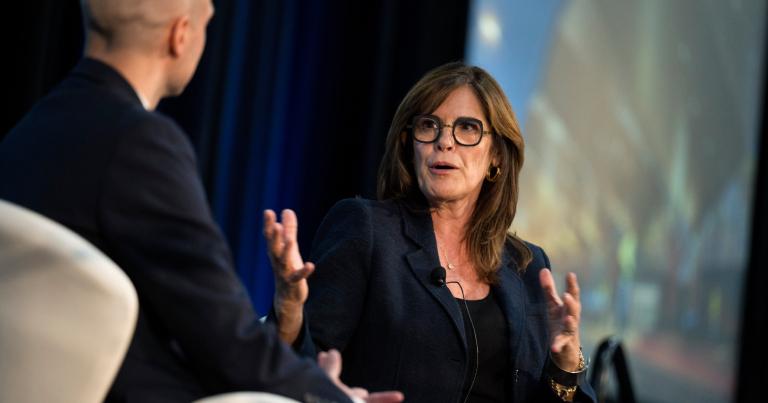
Christina Cassotis, CEO, Pittsburgh International Airport (PIT), participated in a compelling Keynote Fireside Chat moderated by Ryan Ghee, Chief Operating Officer, Future Travel Experience, titled ‘One year on: The biggest lessons learned from the opening of Pittsburgh International Airport’s new terminal’. The keynote explored the airport’s ambitious transformation and the lessons emerging from the opening of its new terminal in November 2025. The conversation examined the motivations behind the project, how the new terminal has been received by passengers and PIT team members, and some of the challenges involved in delivering a major airport transformation. Cassotis also reflected on the lessons learned during the process, offering insights for other airports embarking on similarly complex infrastructure and passenger experience programmes. With PIT’s new terminal now approaching its first year of operation, the discussion also looked ahead, covering what the airport’s next priorities will be and Cassotis’ perspective on the wider air transport industry over the coming 12 months.
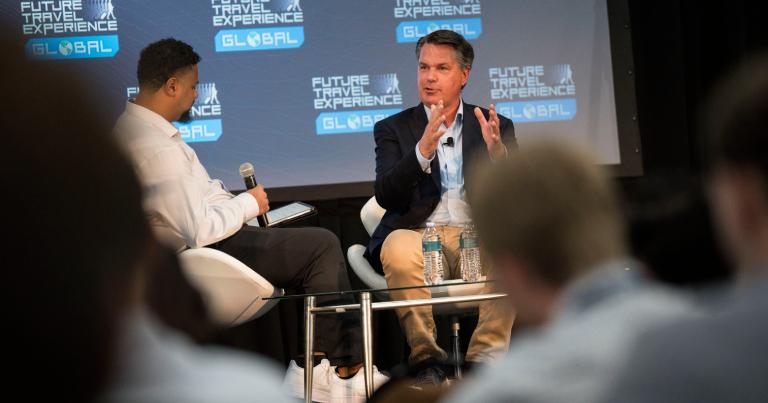
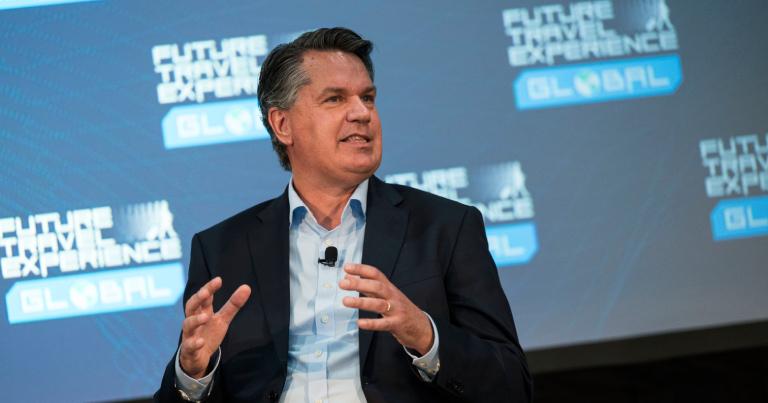
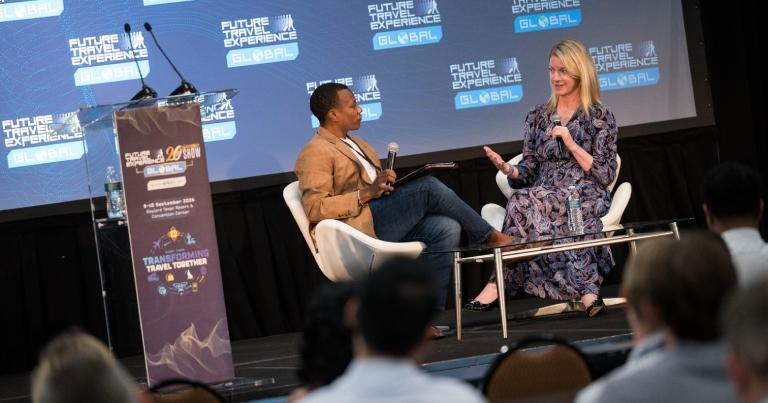
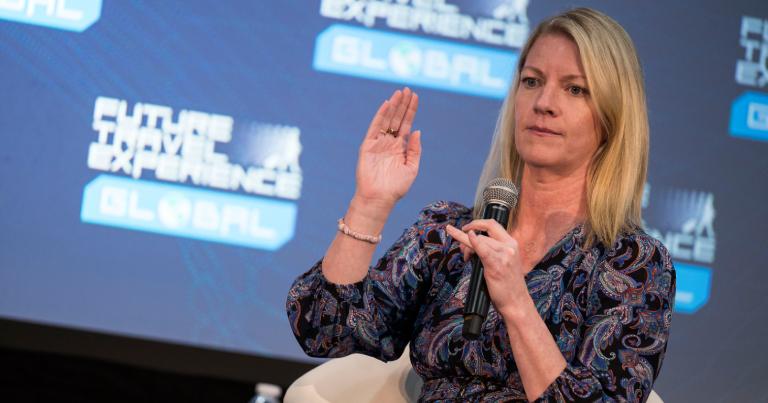
The Closing Keynote Session featured two engaging Keynote Fireside Chats with Ole Orvér, CEO, oneworld Alliance, and Heather Garboden, SVP & Chief Customer Officer, American Airlines.
Ole Orvér outlined how the oneworld Alliance wants to make travel more consistent across its 15 member airlines by improving technology, aligning policies, and fixing the basics customers expect. Orvér said the biggest challenge comes from connecting airlines that each operate differently while making those differences less visible to passengers. “We want to create the future. We don’t want the future to tell us what we should do.” Read the full report on the keynote address by oneworld Alliance CEO Ole Orvér here.
Heather Garboden outlined an accelerated investment plan that could bring nearly one new, renovated, or expanded lounge experience to the American Airlines’ network per month on average over the next two to three years. In the compelling keynote, Garboden also discussed American’s investments across four key priorities concerning the passenger experience: disruption management, team member interactions, digital technology and data, and premium service. Read our full report on the keynote address by American Airlines Senior Vice President and Chief Customer Officer Heather Garboden here.
An outstanding exhibition of cutting-edge solutions from robotics & autonomous vehicles to Mixed Reality, digital identity & biometrics and much more, plus more live demos than ever before
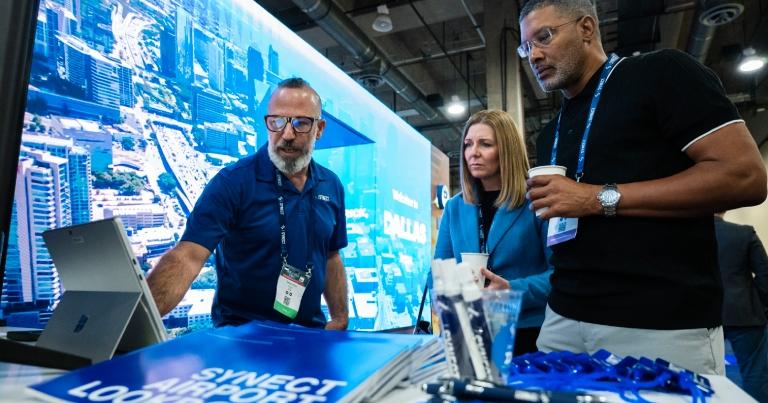
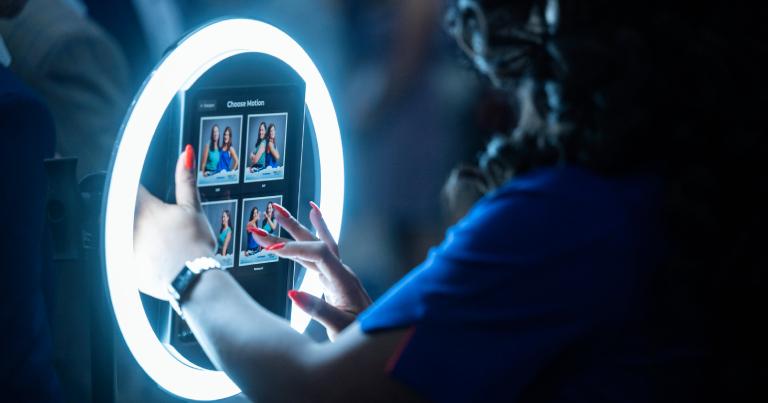
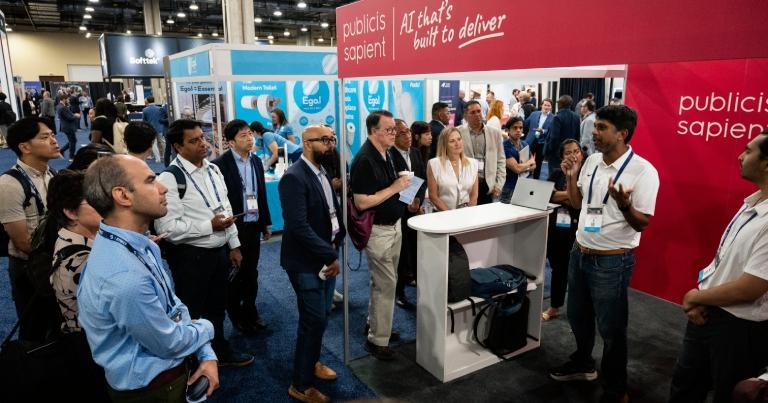
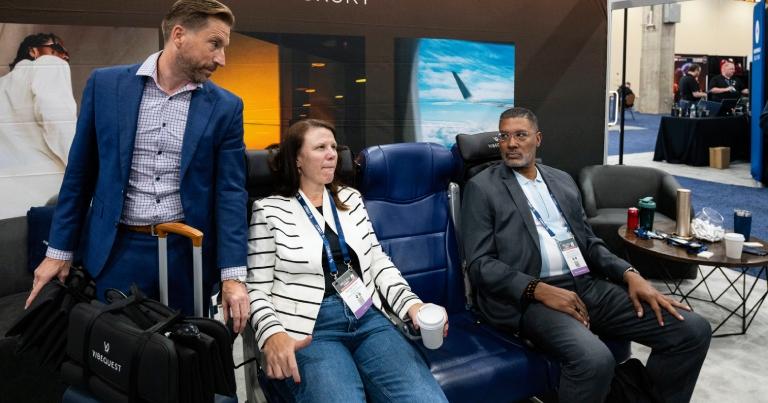
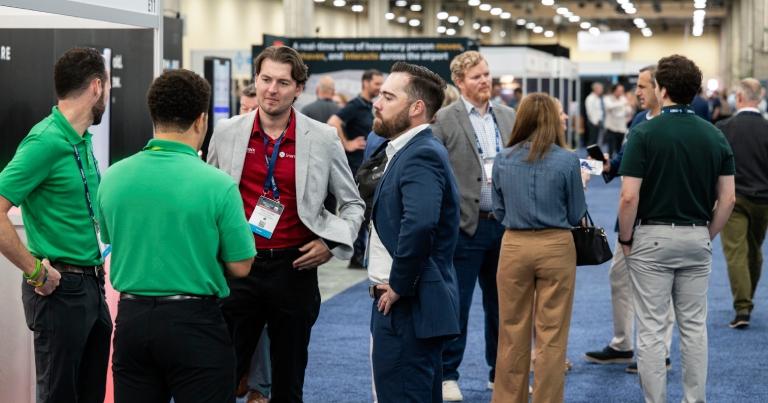
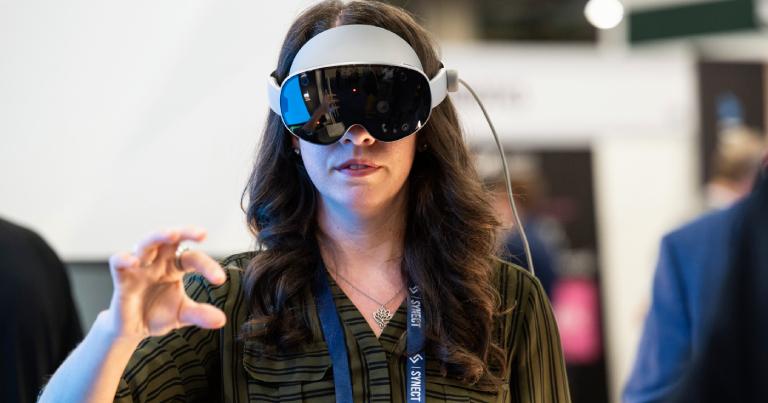
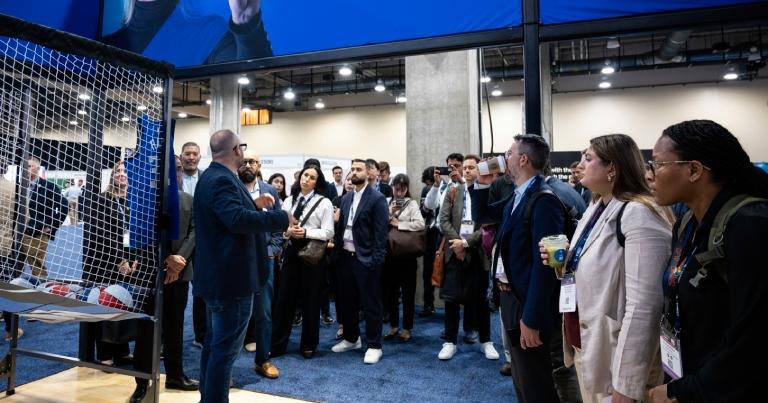
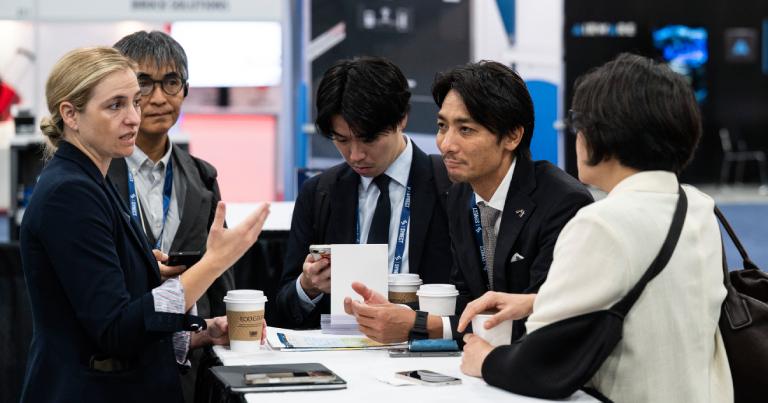
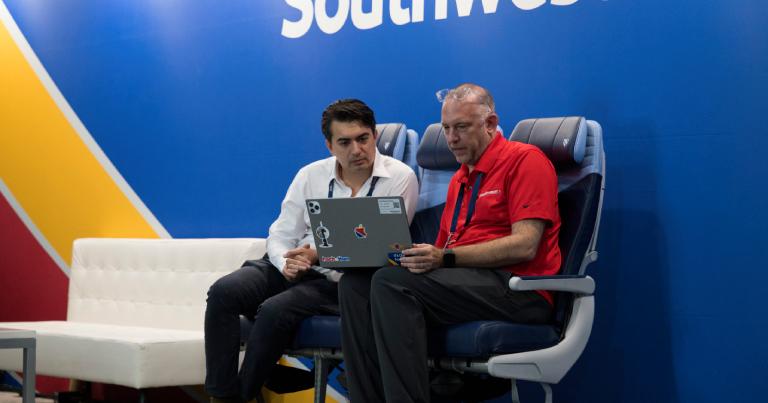
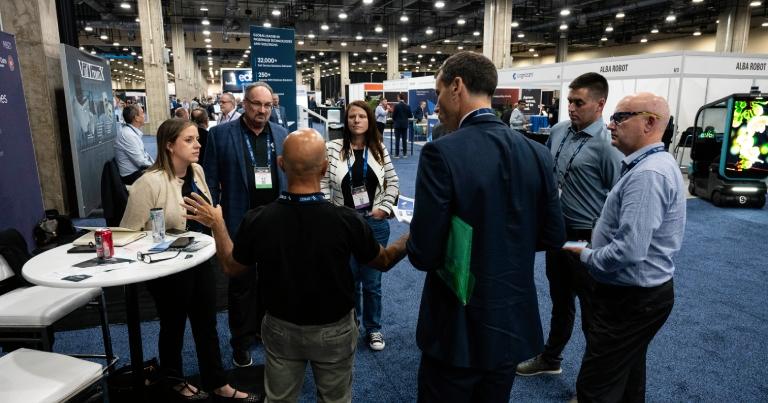
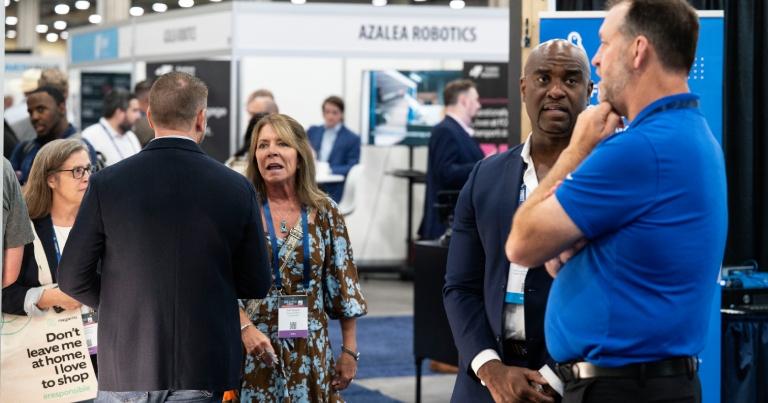
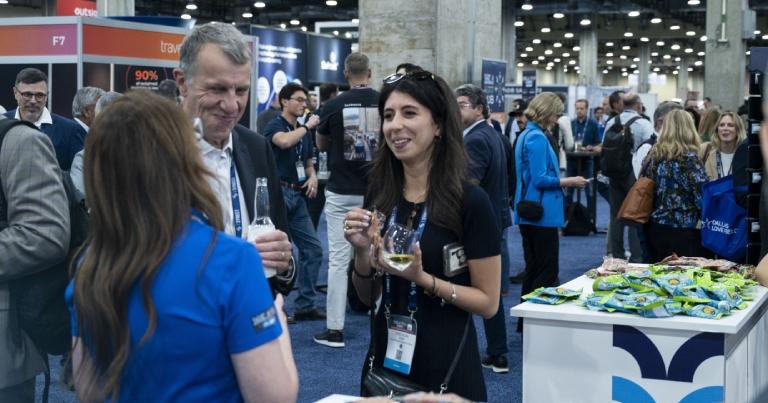
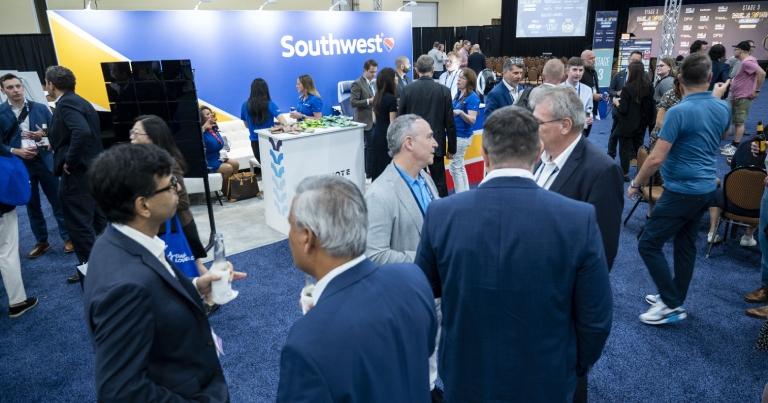
The FTE Global exhibition is the most dynamic and future-focused showcase of air transport innovation in the region. From major global players to startup disruptors, the show floor offered access to technologies that can directly improve your operation – from passenger experience and biometrics to robotics, AI, baggage automation, and next-gen digital platforms. This year’s event featured more live and immersive demos than ever before. Attendees received a hands-on experience that was interactive and educational, with cutting-edge solutions touching on all aspects of the end-to-end passenger journey. The exhibition featured some of the most established and innovative players in the sector, including Synect, TravelX, Publicis Sapient, Atrius, Coforge, Cognizant, Moonware, Nagarro, Journey Robotics, Motorola Solutions, Pattern, Samsung, SITA, VibeQuest and many more, plus a showcase of the most innovative startups.
The popular ‘Tech & Innovation Briefings’ on the exhibition floor also provided attendees with the opportunity to join guided tours and meet exhibitors with relevant products, services and concepts across areas including: Artificial Intelligence; Self-Service, Automation & Baggage; and Robotics & Autonomous Vehicles.
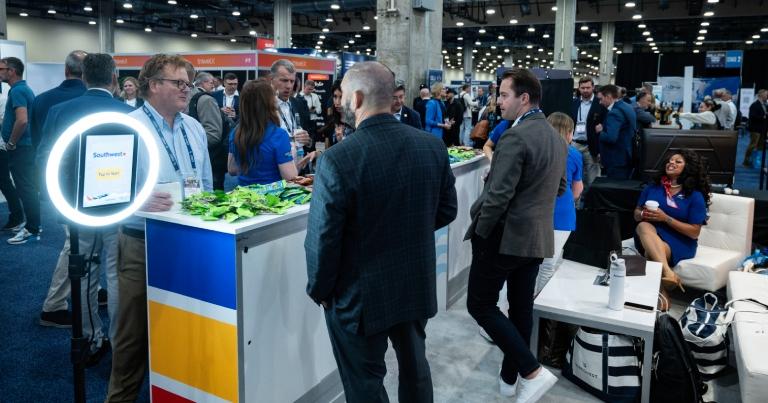
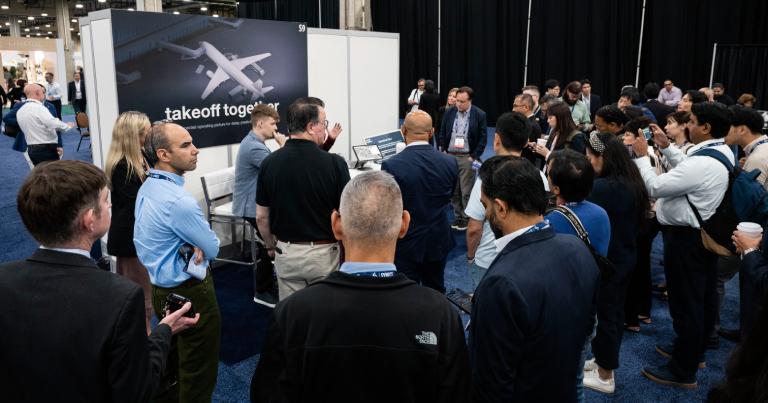
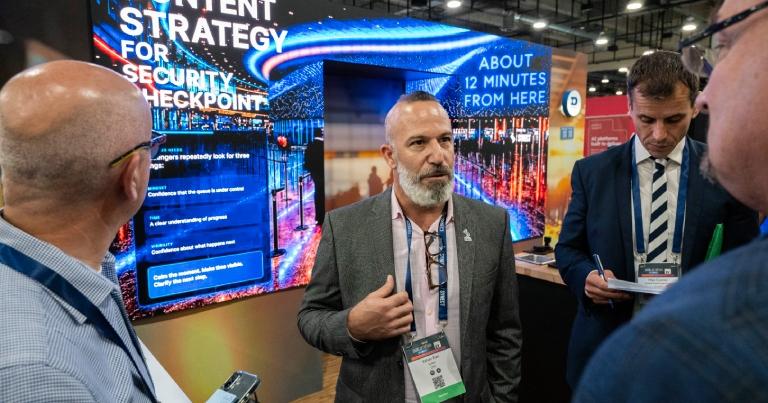
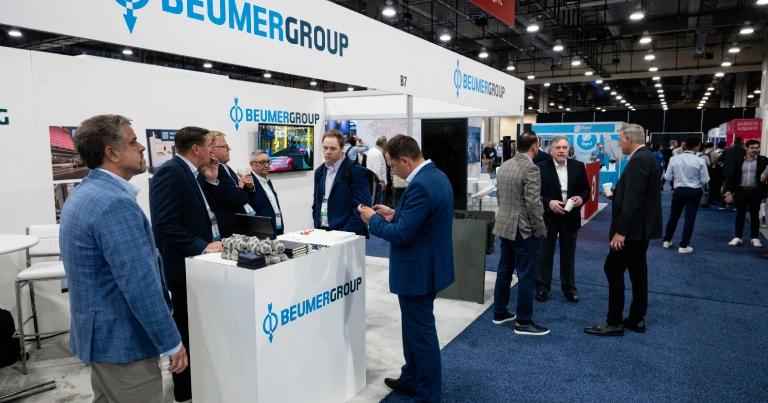
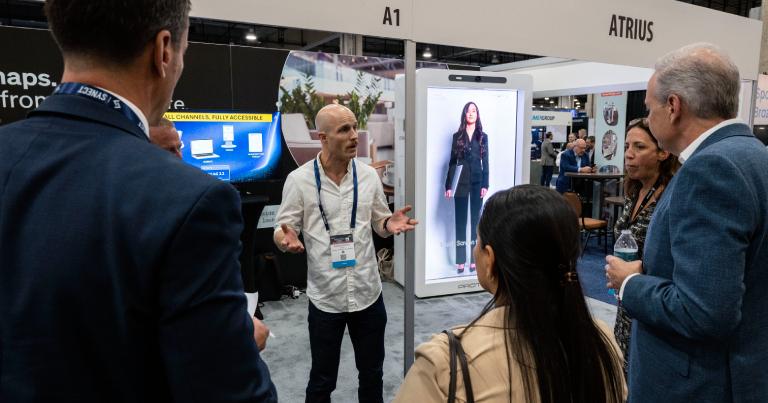
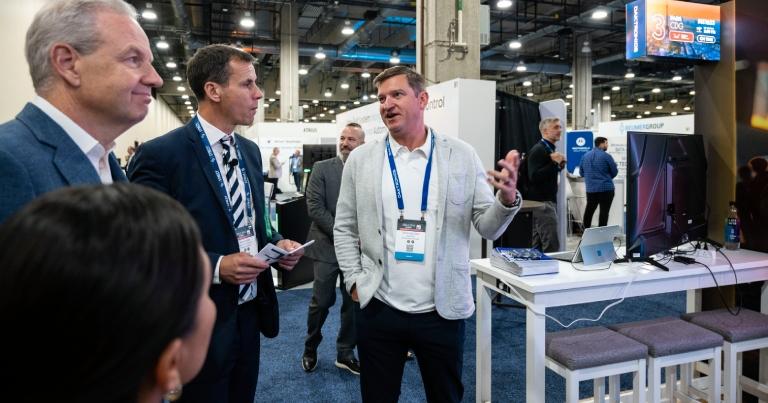
This year’s event featured more live and immersive demos than ever before. Below is just a small selection of the highlights:
- Synect partnered with Daktronics to show attendees Synect’s award-winning visual content for security checkpoints, gates, and other passenger touchpoints presented across Daktronics 1.2mm Chip-on-Board LED displays, including a Portal Wall, Totem, and Flag Display.
- Atrius demonstrated real-time, personalised navigation powered by Atrius Wayfinder, including dynamic routing capabilities that can automatically adjust based on terminal conditions, operational changes, or temporary disruptions.
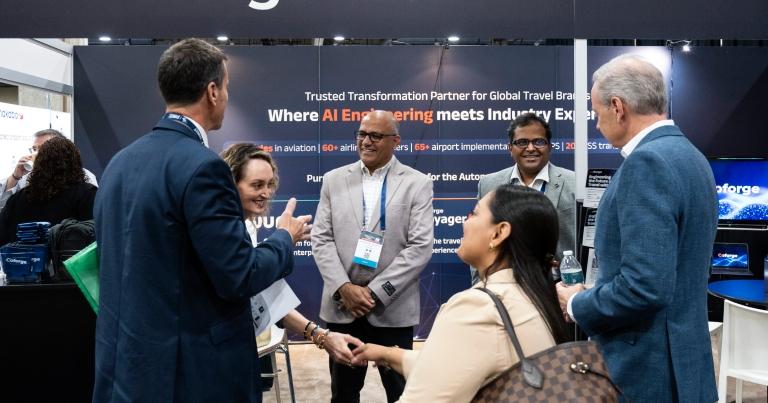
- Coforge shared much more than a traditional technology showcase. Its booth will bring together leaders and specialists from across AI, Digital Engineering, Customer Experience, Contact Center Transformation, and Enterprise Platforms, creating an opportunity to discuss the future of travel technology from both a strategic and practical perspective. At the centre of the experience was Nuuron, Coforge’s AI-native enterprise platform that helps organisations turn fragmented data, knowledge, and business processes into a foundation for scalable AI adoption.
- Moonware enabled attendees to see HALO in action through a live airfield deployment. Moonware walked through how HALO coordinates crew, equipment, tasks, and aircraft activity across a turnaround, flags operational risk as it develops, and helps teams respond before issues become delays. It also showed the broader operational data HALO captures, including how that data now flows into billing and finance workflows.
- ALBA Robot demonstrated its autonomous indoor mobility platform for airports. The ALBA Ride vehicle was on the company’s stand for hands-on interaction with the passenger interface. ALBA Robot ran live demonstrations of the fleet management platform showing how a single operator can dispatch vehicles, manage DOOH content, and monitor terminal intelligence from one screen.
- Blueberry Technology demonstrated BBGo – an autonomous mobility service designed to help passengers who need mobility assistance move through airports with greater independence. A fully operational BBGo followed an autonomous route within the exhibition area, so attendees were able to take an autonomous ride themselves.
- Cordn showcased its AI photo booth, which combines personalised generative AI imagery with optional customer information capture, instant QR delivery, live galleries, brand customisation, and participation analytics. Attendees had a highly interactive experience – they were able to step in front of the booth, take a photo, select from a range of travel-inspired personas, and receive a personalised AI-generated image directly on their phone through a QR code.
- Attendees had a hands-on experience with all Pattern solutions, including interactive activities with the Pathfinder autonomous baggage shuttles, the Pulse simulation and auto-dispatch system, and the intelligent Co-Pilot “Uber for ramp drivers” tool.
The exhibition floor also included a dedicated Startup Zone, featuring some of the most progressive new suppliers on the market, including Baggage Media, Blueberry Technology, Emu Analytics, Journey Robotics, Overwatch AI, pAiback, TakeOff Together and more.
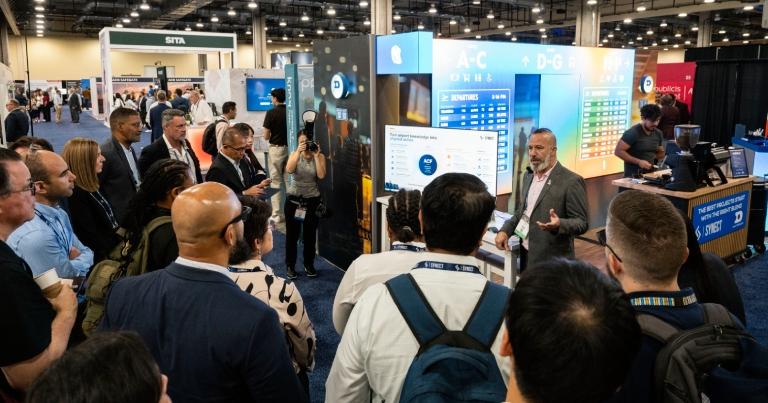
FTE Global Moonshot Competition
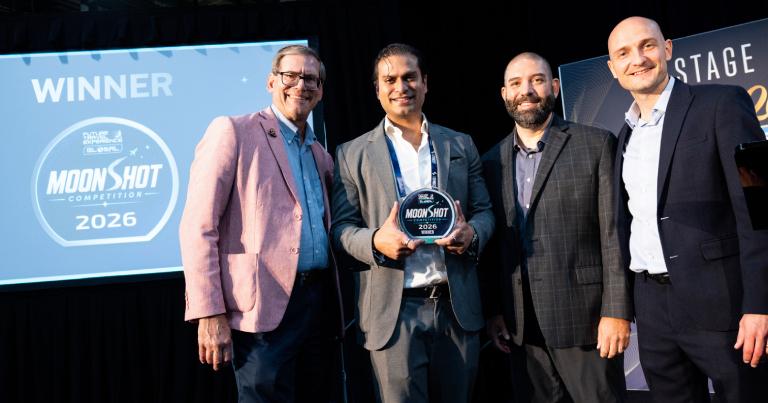
At the epicentre of FTE Global 2026 was the industry’s most exciting competition to seek out the very best new ideas to change our industry for the better. Competitors pitched on-stage in an effort to be crowned the inaugural FTE Global Moonshot Competition winner. The shortlist for this year’s competition featured Airbus, King Salman International Airport, Dallas Fort Worth International Airport, ZIPAIR Tokyo, and Metropolitan Washington Airports Authority. Following a highly competitive pitch session, King Salman International Airport won the inaugural FTE Global Moonshot Competition. Sukhvir Singh Mavi, Director – Emerging Technologies, King Salman International Airport, pitched a Smart Tunnel concept, which aims to transform one of the most time-consuming parts of the passenger journey by bringing two essential processes together into a single touchpoint. This is a next-generation checkpoint in which passengers enter a modular Smart Cabin where carry-on baggage is screened using compact CT technology while millimetre-wave scanners screen the passenger. At the same time, biometric cameras verify the traveller’s identity against passport, visa and immigration databases. AI then combines the results to reach a decision within seconds. Read our full article on the FTE Global Moonshot Competition shortlist and the five innovative finalists here.
FTE Global Hall of Fame
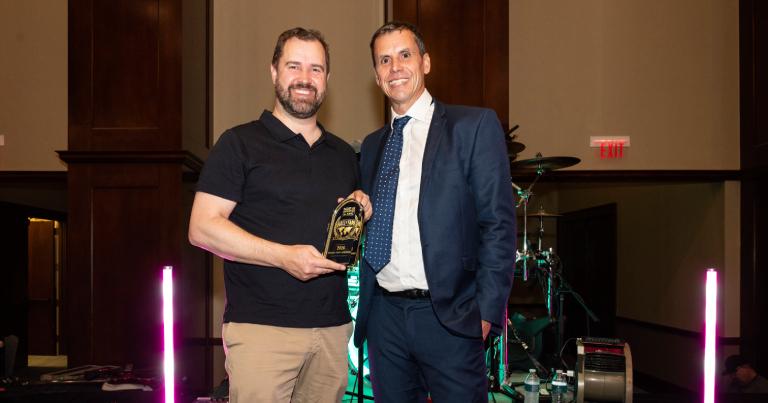
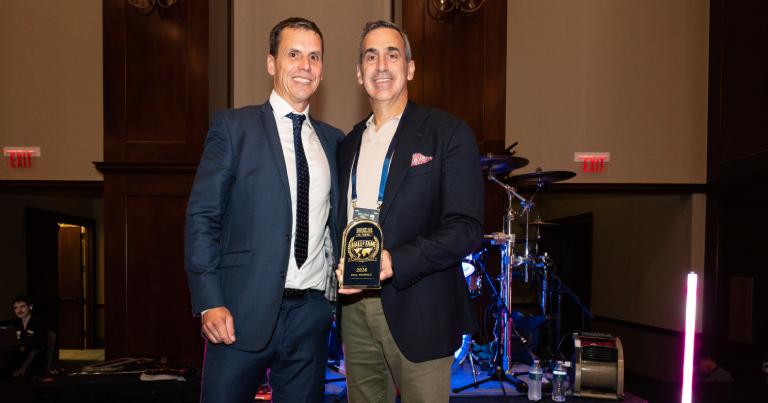
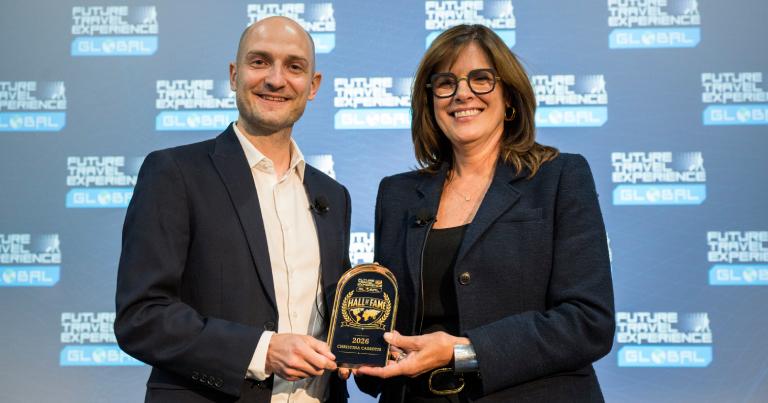
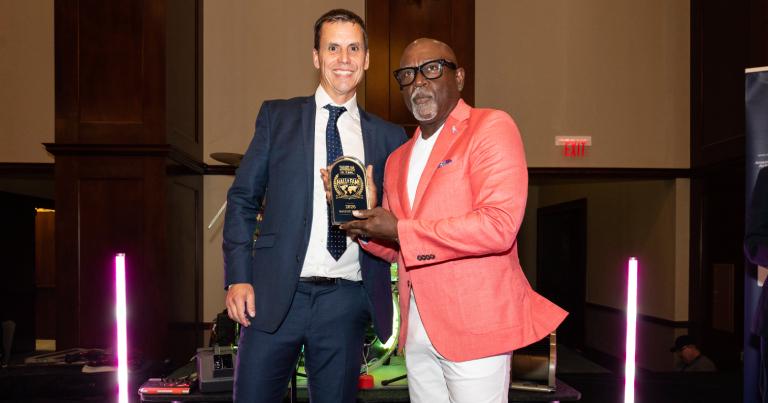
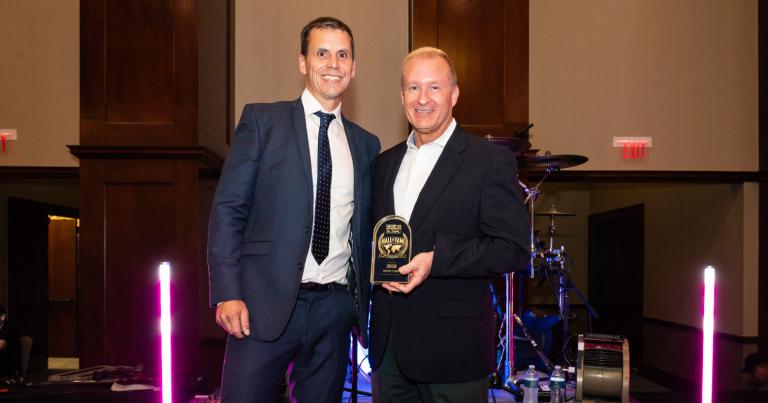
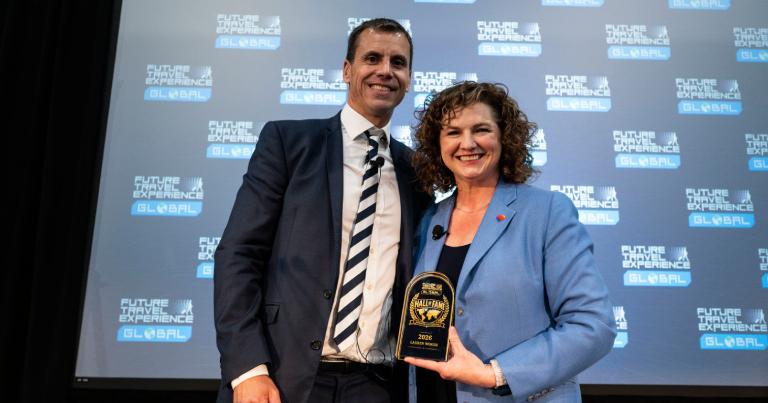
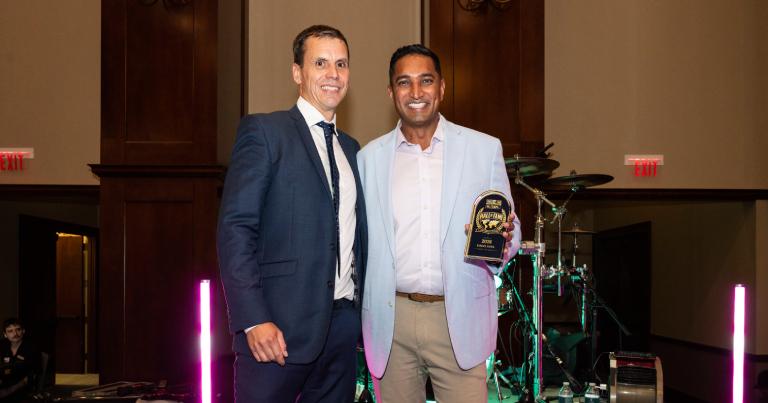
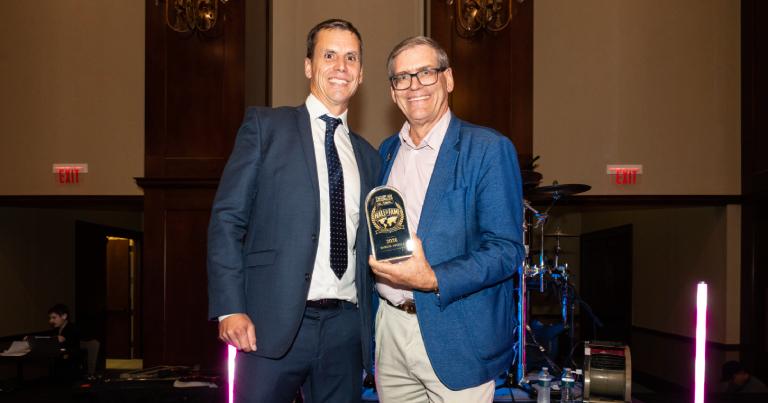
The inaugural FTE Global Hall of Fame ceremony took place during the Networking Welcome Party. The Hall of Fame recognises individuals who have shown incredible commitment to driving innovation and collaboration and supporting Future Travel Experience’s mission to reimagine the future of the air transport industry over the 20 years of FTE Global. Eight industry leaders were inducted into the Hall of Fame, including Thomas Hoff Andersson, Managing Director & Group Chief Operating Officer, Munich Airport; Paul Puopolo, Executive Vice President and Chief Technology & Innovation Officer, Dallas Fort Worth International Airport; Christina Cassotis, CEO, Pittsburgh International Airport; Maurice Jenkins, Chief Innovation Officer, Miami International Airport; Brian Cobb, Chief Innovation Officer, Cincinnati/Northern Kentucky International Airport; Lauren Woods, Executive Vice President & Chief Information Officer, Southwest Airlines; Sammy Patel, Vice President, Commercial, Vantage Group; and Samuel Ingalls, Principal, Barich, Inc.
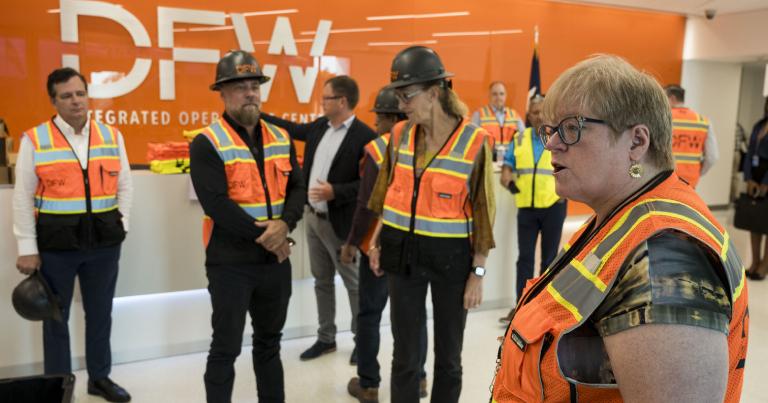
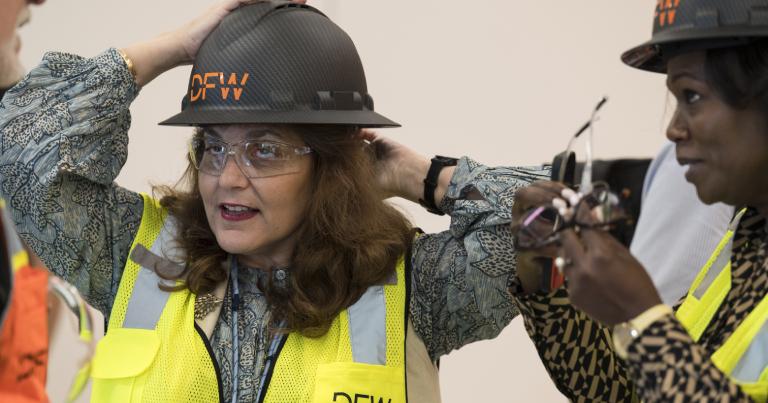
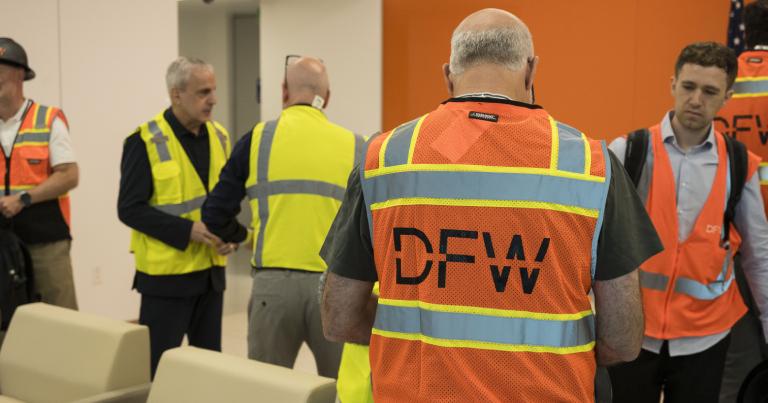
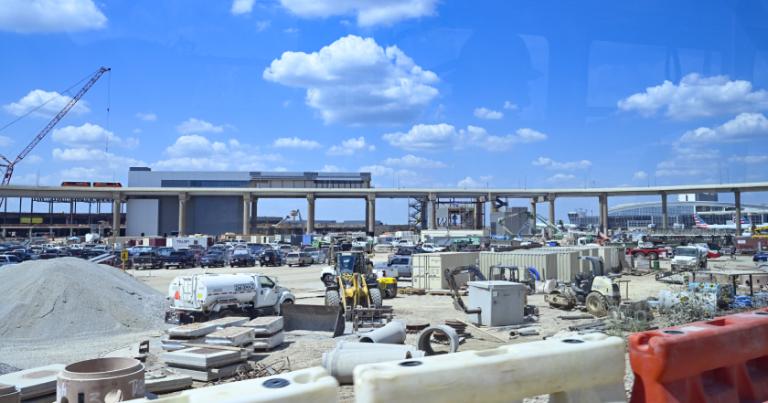
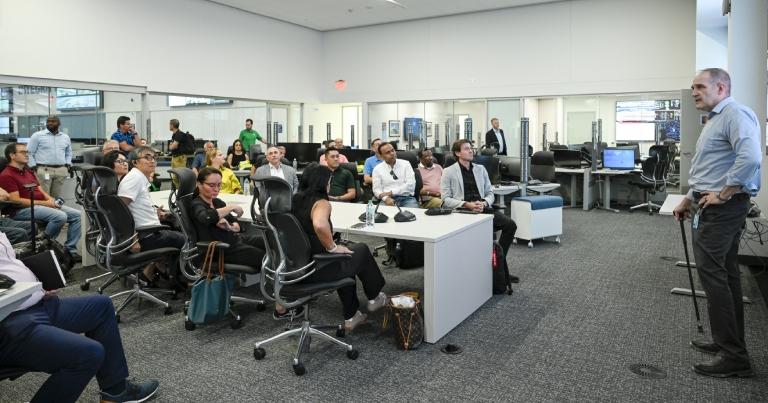
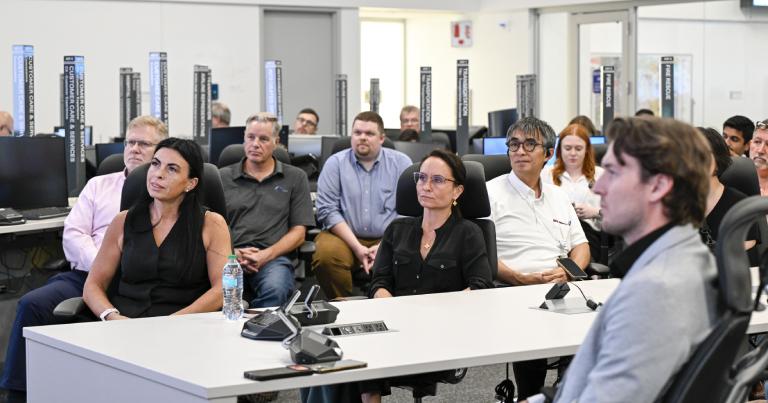
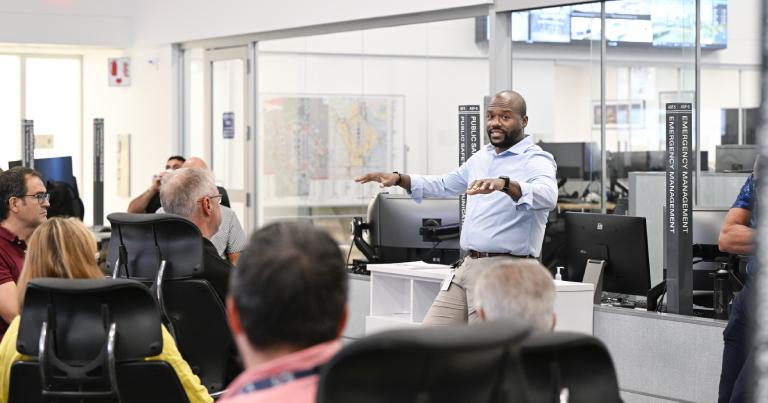
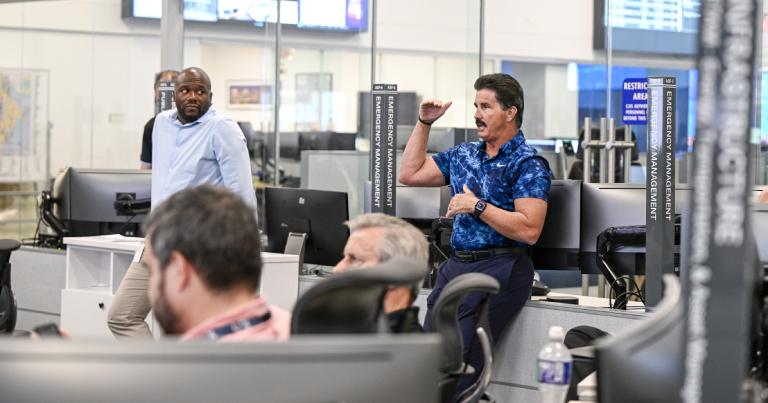
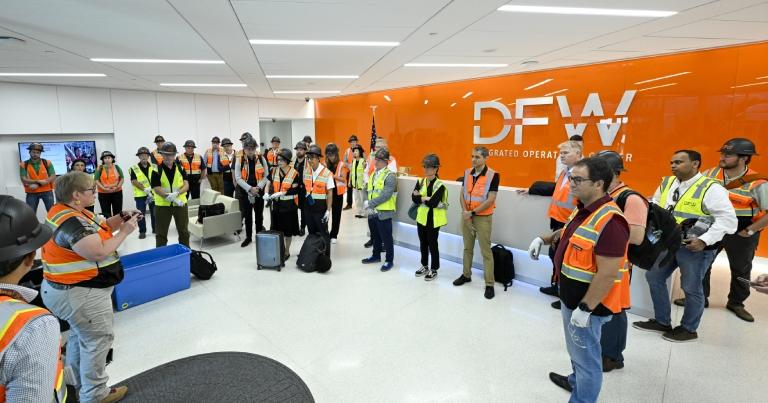
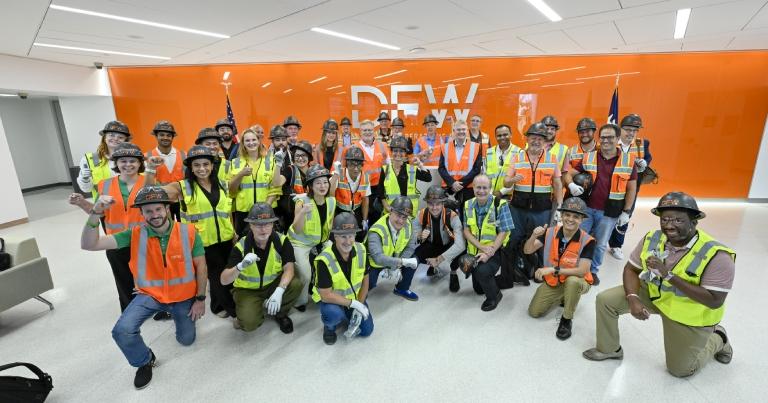
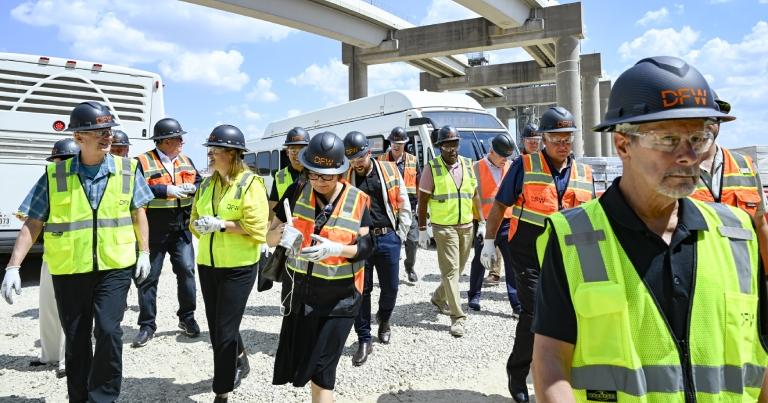
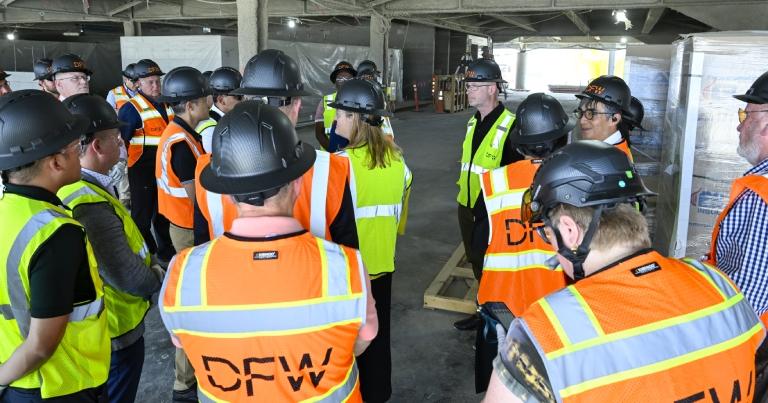
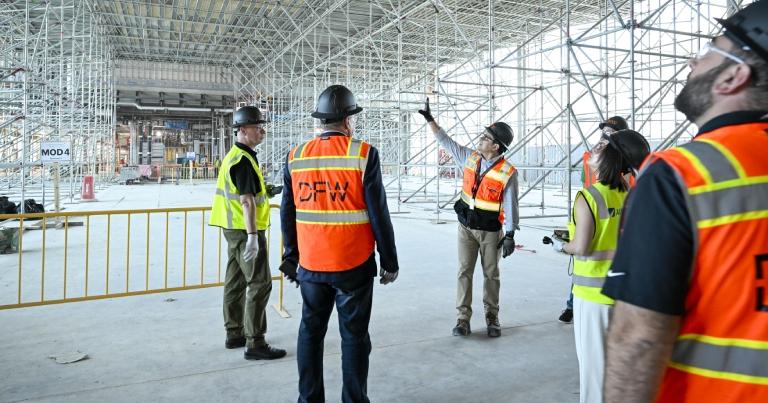
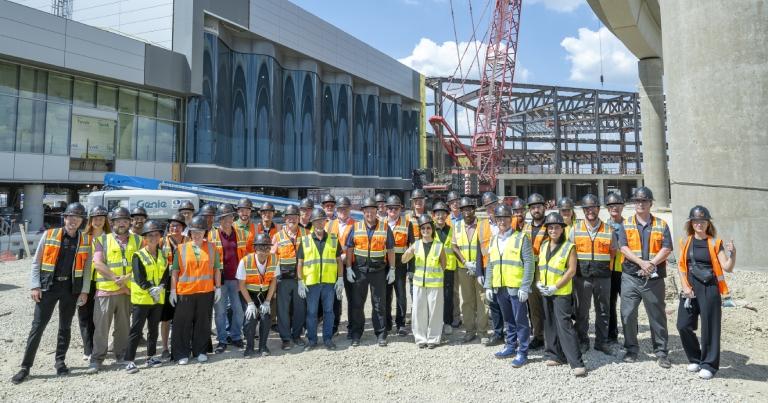
Exclusive Dallas Fort Worth International Airport tour
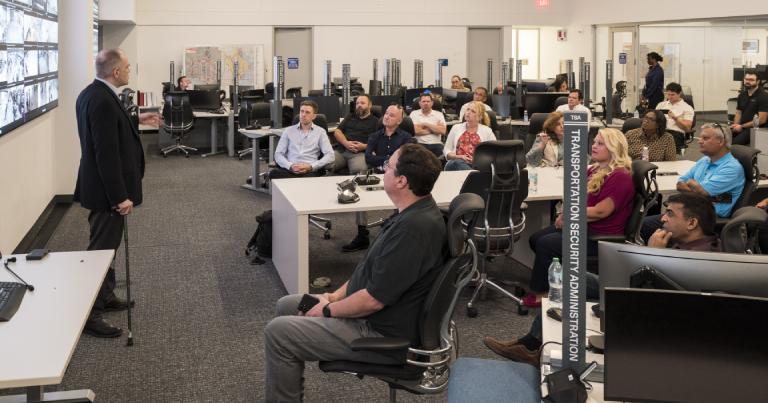
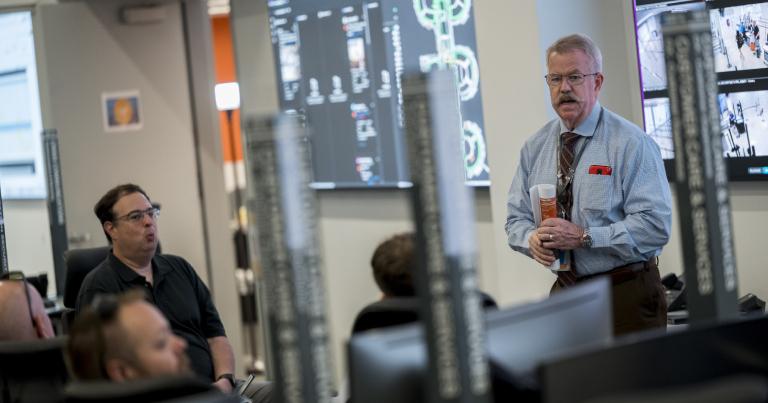
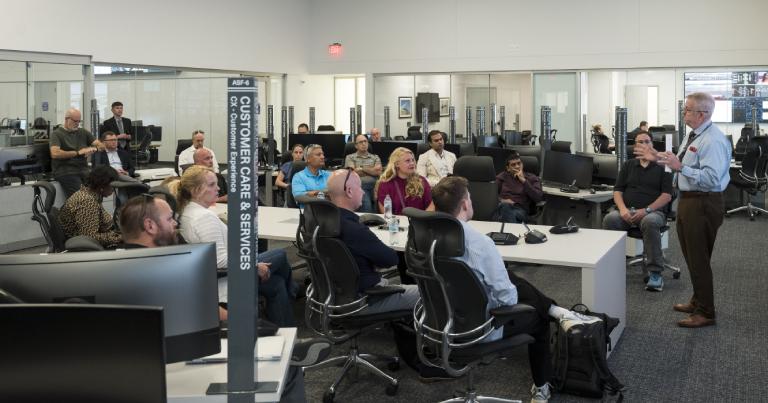
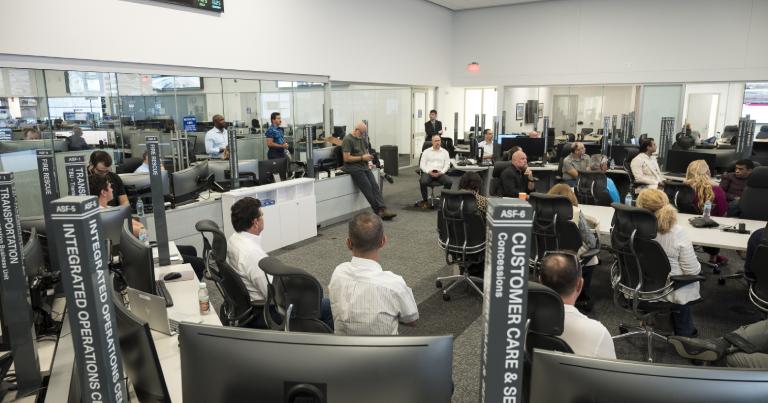
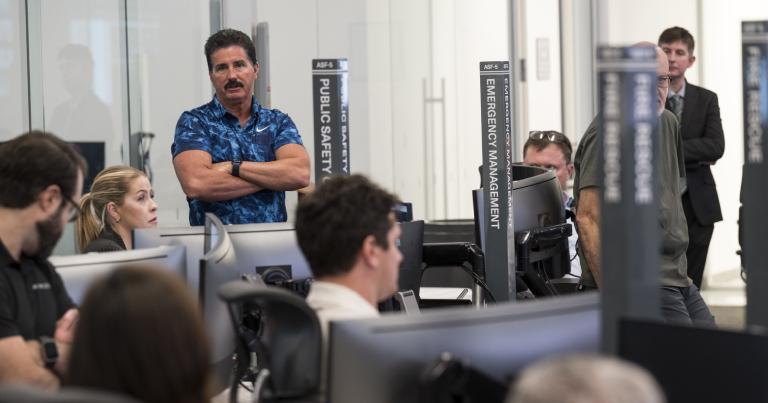
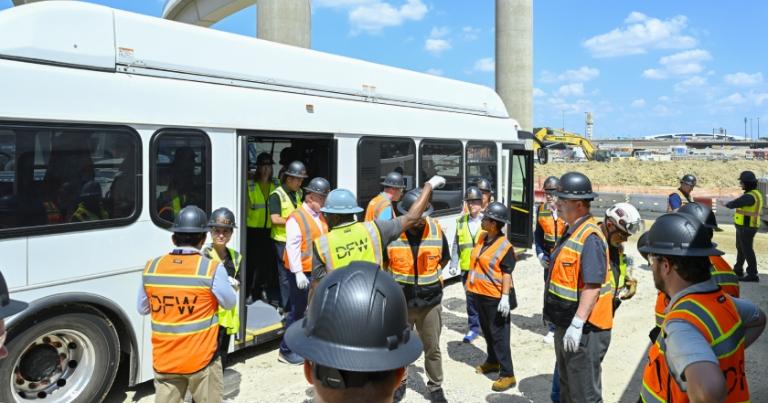
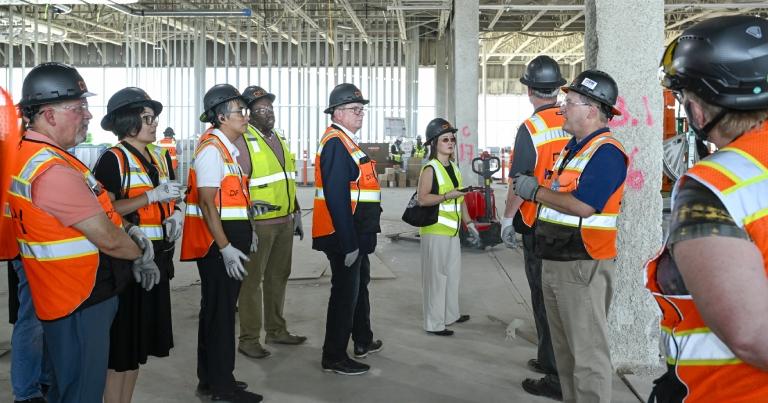
Dallas Fort Worth International Airport (DFW) facilitated a fantastic, exclusive tour as part of the FTE Global agenda. The packed tour included:
- A first-hand overview of how DFW manages real-time airport operations.
- A guided visit of the Emergency Operations Center (EOC).
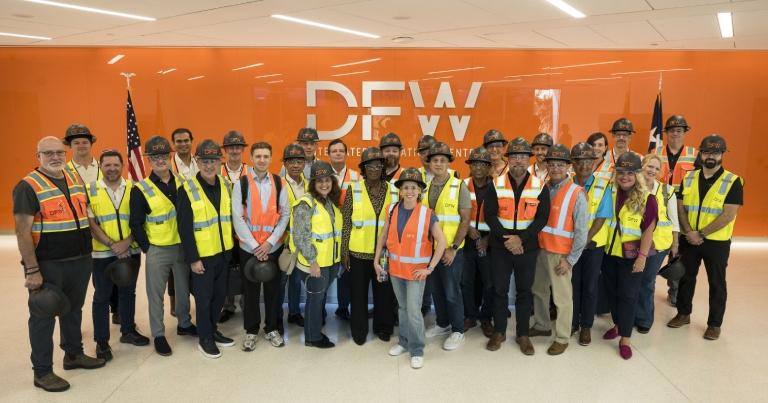
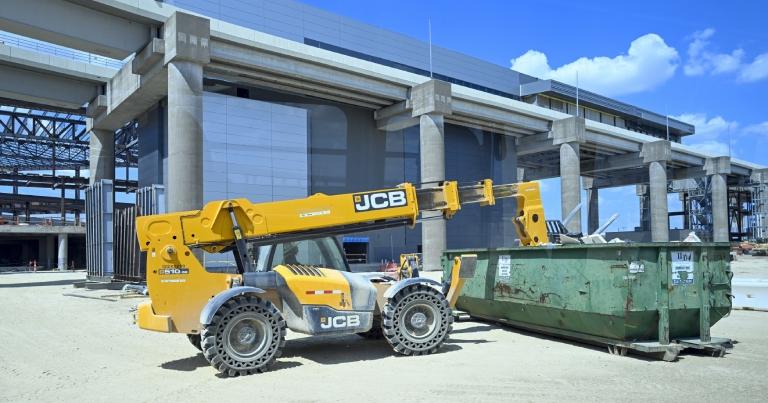
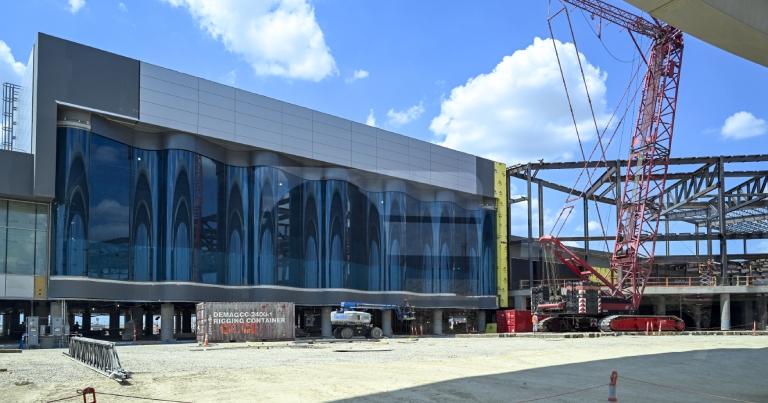
- A bus tour of key airport facilities, including the ARFF (Aircraft Rescue and Firefighting) complex and Terminal F construction site.
- A live SWAT demonstration showcasing specialised capabilities and tactical response operations.
A unique social and networking programme
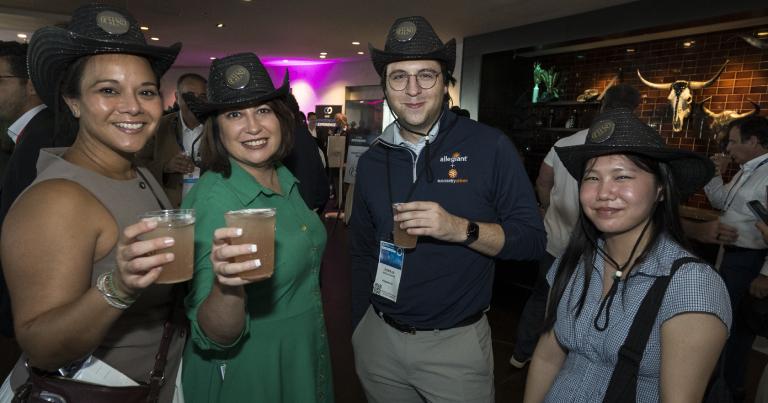
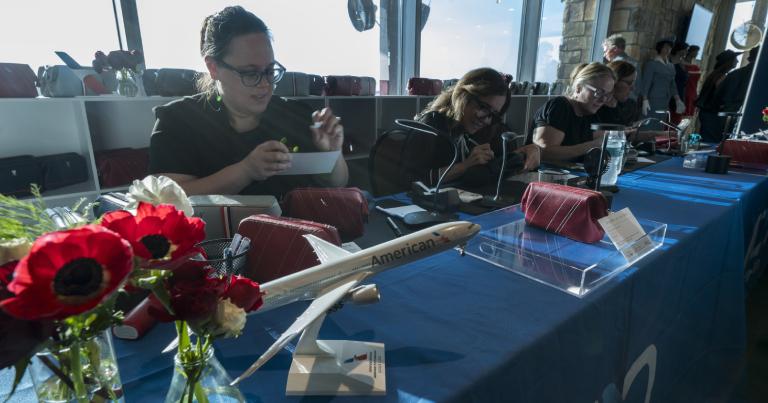
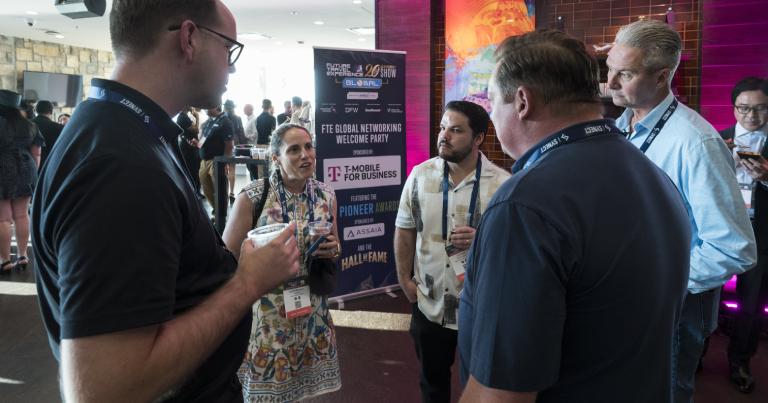
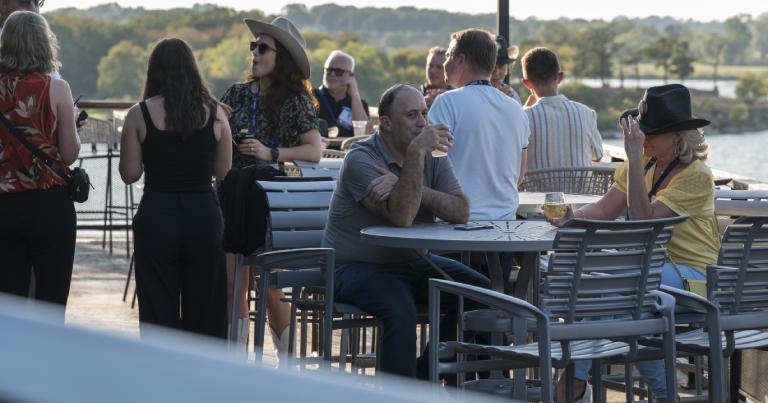
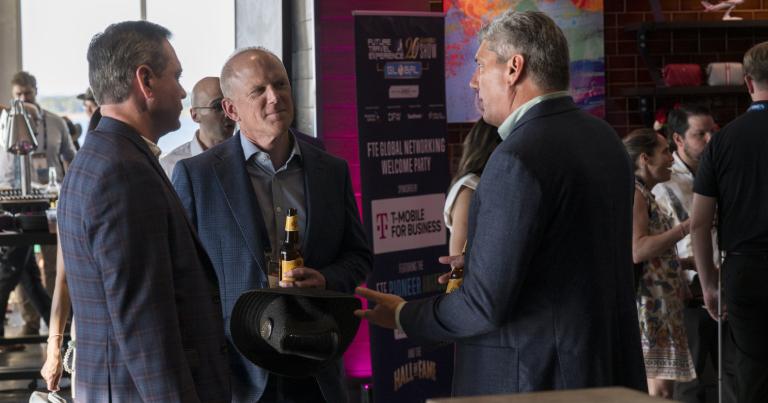
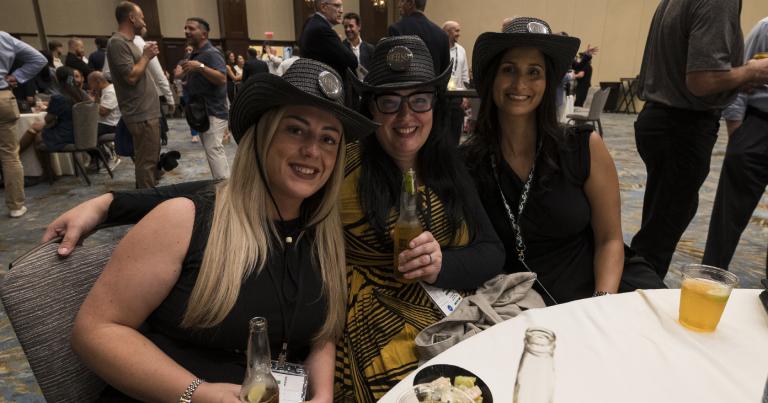
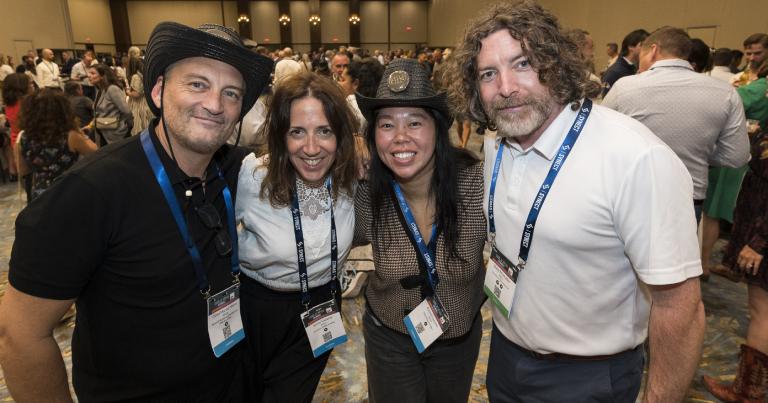
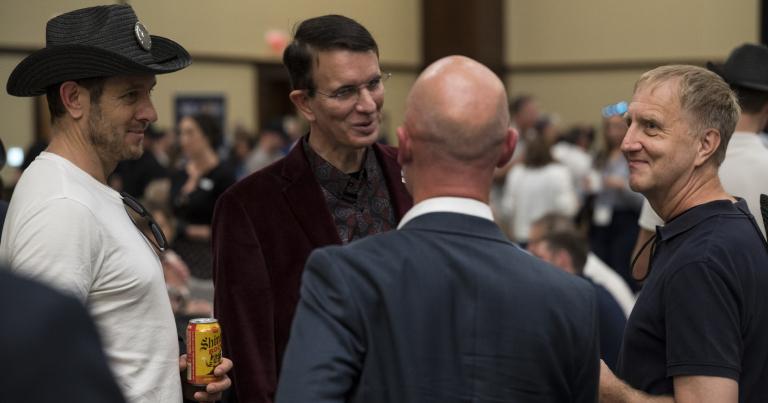
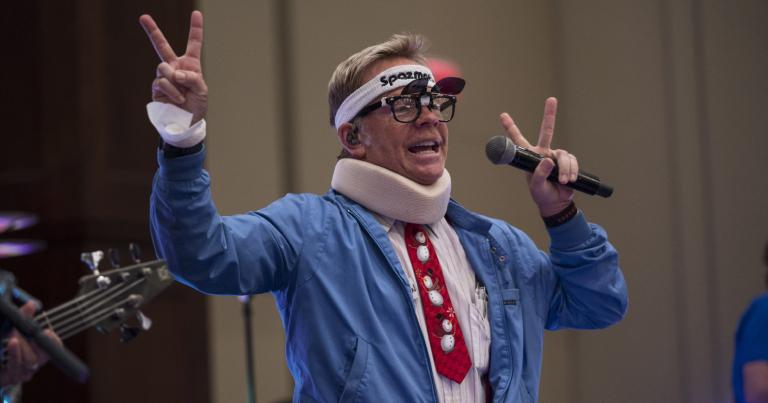
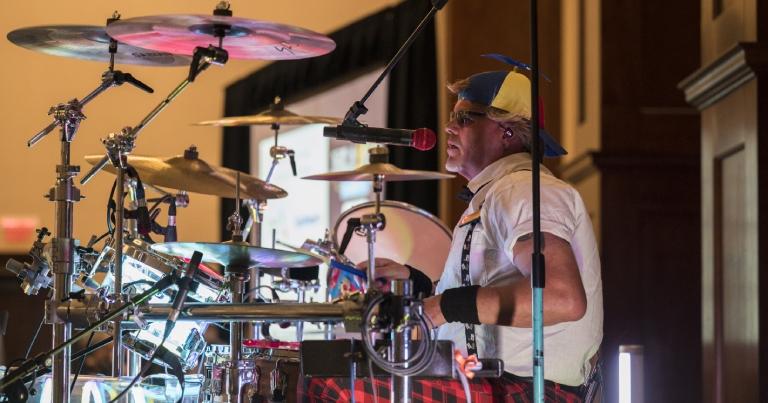
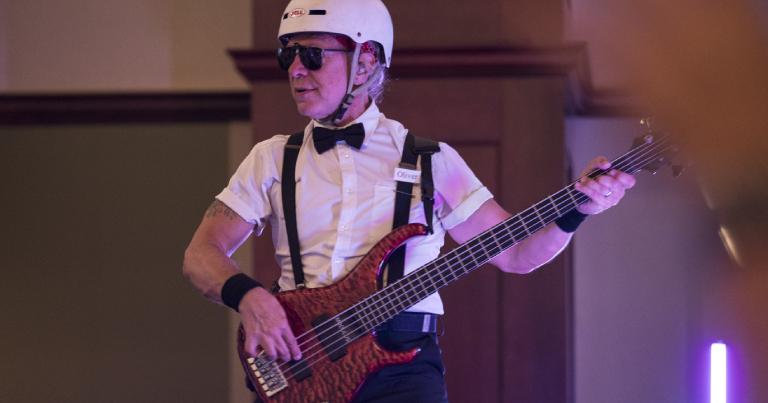
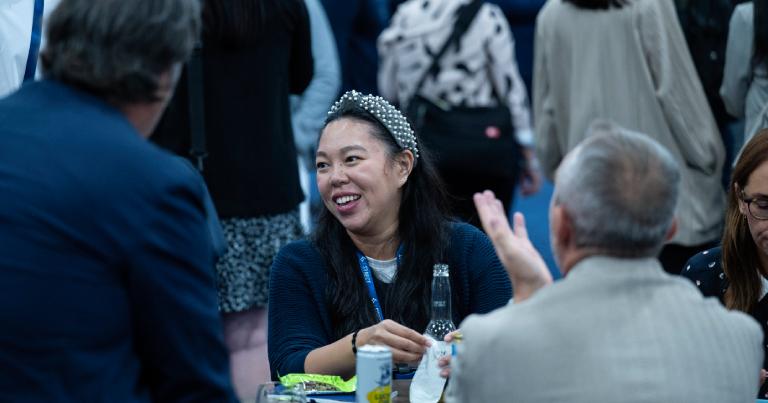
FTE Global is renowned for its social and networking events and FTE Global 2026 was no exception. The event kicked-off with the Networking Welcome Party, jointly hosted by FTE Global and IFSA Global EXPO, and sponsored by T-Mobile for Business and American Airlines. The truly memorable evening featured the FTE Global Pioneer Awards Ceremony, sponsored by Assaia, and the inaugural FTE Global Hall of Fame Ceremony, celebrating 20 years of Future Travel Experience and recognising individuals whose outstanding contributions to innovation, collaboration and the future of air transport have shaped the industry. The party culminated with an energetic and interactive performance by renowned band The Spazmatics.
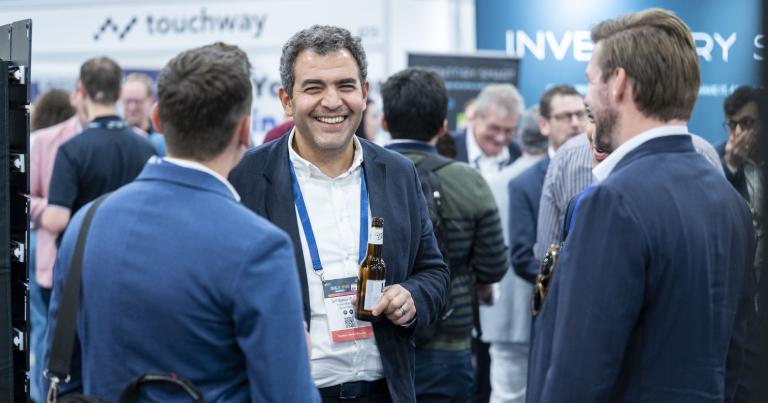
The FTE Global Networking Drinks were an ideal opportunity to enjoy demonstrations in the exhibition and network with their peers over drinks. As part of the evening, we revealed the winner of the FTE Global Moonshot Competition.
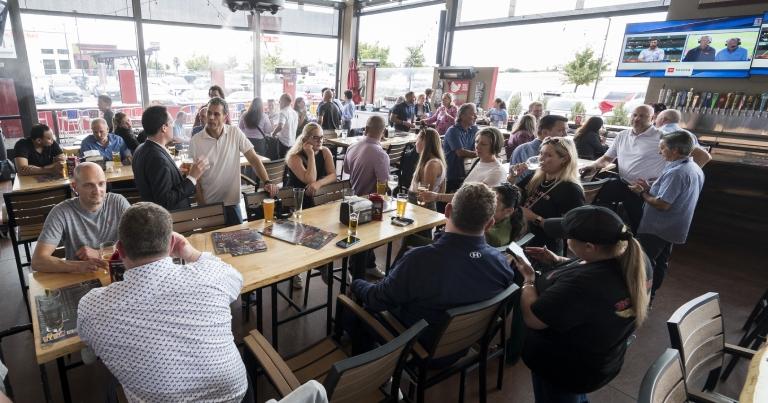
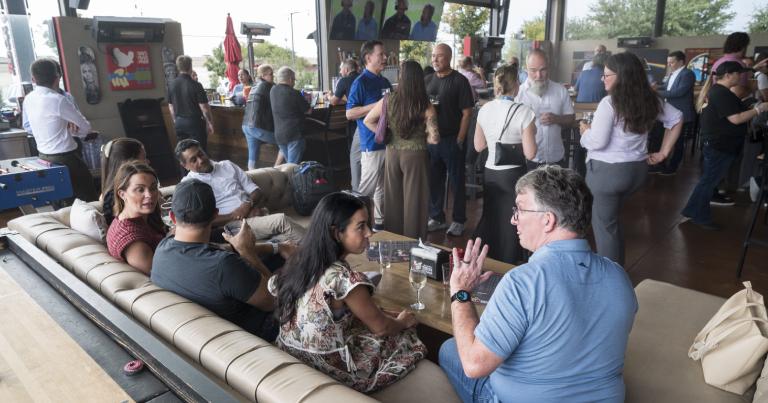
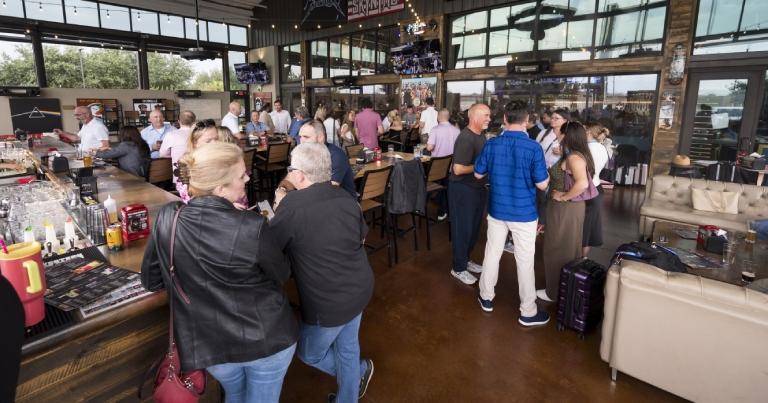
Finally, after two days of learning, networking and inspiration attendees had the opportunity to unwind with the FTE Global Unofficial Wrap-Up Drinks at Rock & Brews.
Digital & Innovation Conference
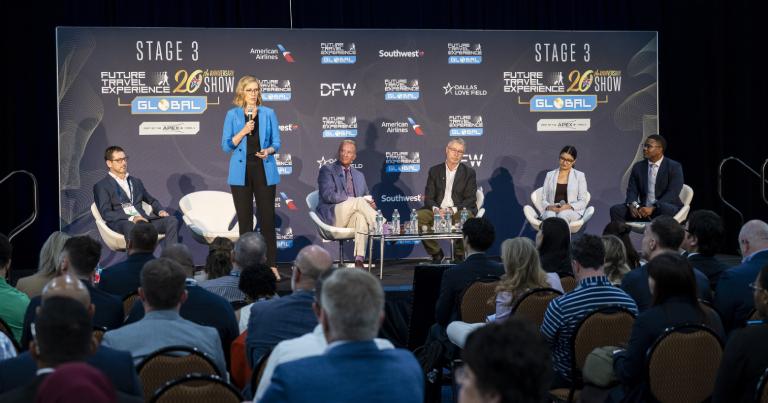
It was standing room only for the opening session in the Digital & Innovation Conference: ‘Case Study Spotlight: Big & bold new tech strategies – visions, deployments, learnings and next steps’. Moderated by Paul Drury, VP Product Development and Innovation, Dallas Fort Worth International Airport, the session featured three illuminating case studies. First, Amber Simonsen, Director, Guest Experience Performance & Execution, Alaska Airlines, discussed ‘Enterprise Transformation at Scale: How Alaska & Hawaiian Airlines transitioned to a single PSS and unlocked a more seamless guest experience’. Next, was a joint case study by Jon Pruitt, Chief Data Officer, Hartsfield-Jackson Atlanta International Airport, and Shallu Sarvari, Data & AI Leader, North America, Nagarro. Finally, Brian Cobb, Chief Innovation Officer, Cincinnati/Northern Kentucky International Airport (CVG) and Miles Garner, Chief Commercial Officer, Aurrigo, shared a case study on ‘Two regulators, one runway: How CVG and Aurrigo are writing the rules for human-in-the-loop autonomy’.
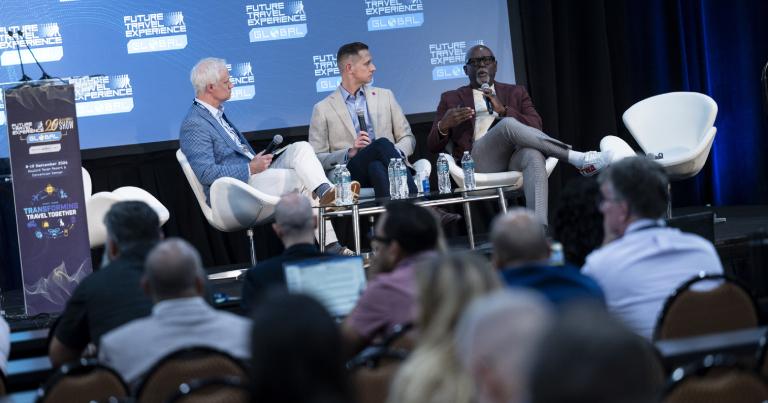
Part 1 of the FTE AI Symposium – ‘A little less conversation a little more AI action’ – provided extensive insights and learnings from artificial intelligence (AI) in live environments and operations, with an exploration of how AI has impacted frontline teams and customers. Moderated by Teaque Lenahan, Managing Partner & Group VP, Publicis Sapient, there were two compelling presentations. Justin Bundick, Vice President, Artificial Intelligence & Intelligence Platforms, Southwest Airlines, presented ‘The Southwest Way: Implementing AI while preserving a people-first culture’. Maurice Jenkins, Chief Innovation Officer, Miami International Airport, shared ‘How MIA is embracing AI to deliver tangible benefits across the business’.
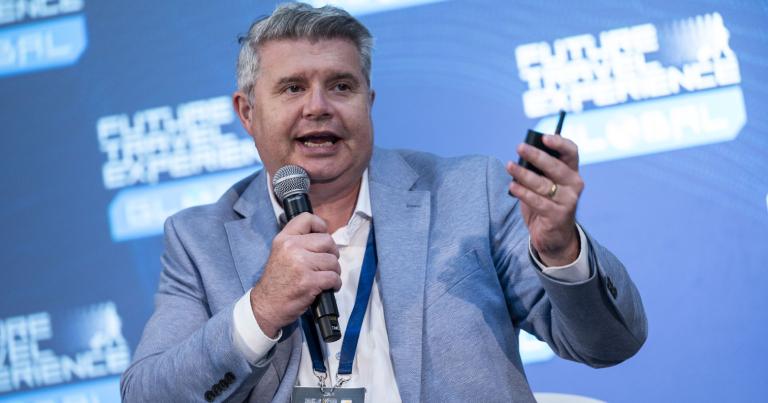
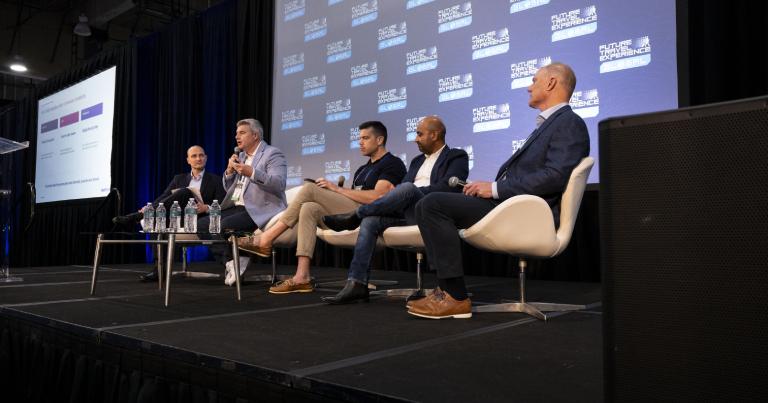
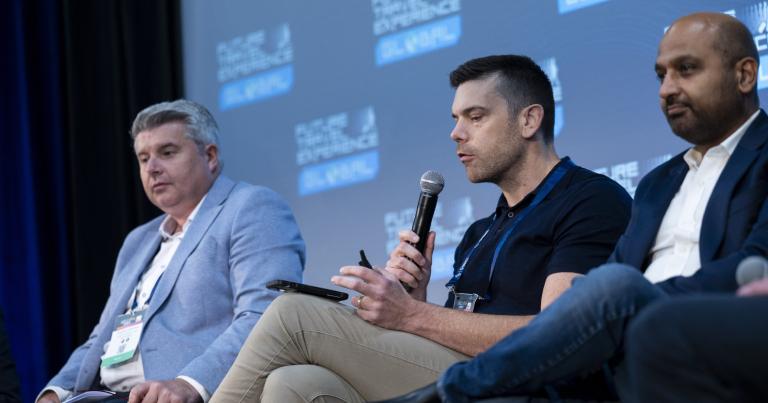
A Special Presentation focused on ‘Beyond the app: Transforming the technology behind Heathrow’s connected passenger journey’. In this session, Heathrow, Publicis Sapient and Amazon Web Services (AWS) explored how digital transformation can connect customer experiences with the cloud platforms, data, operational systems and commerce capabilities that power them. Drawing on Heathrow’s evolution as a practical case study, the discussion showed how modernising the underlying technology landscape can reduce friction, improve relevance and create a more agile foundation for future innovation, including AI-enabled service, engagement and commerce. Moderated by Ryan Ghee, Chief Operating Officer, Future Travel Experience, the panel featured Stephen Glenfield, Head of Digital, Heathrow; Peter Coombes, Head of Ecommerce, Heathrow; Jagdish Ghanshani, Travel and Hospitality Lead, North America, Publicis Sapient; and Bob Kwik, Worldwide Head of Airports and Ground Transportation, Amazon Web Services (AWS).
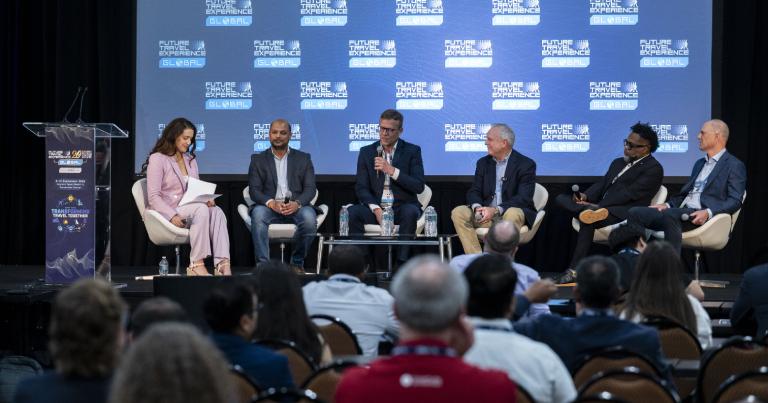
Part 2 of the FTE AI Symposium provided ‘A deep-dive into Agentic AI and the move towards Artificial General Intelligence’. A panel of expert speakers shared how they are exploring Agentic AI, their perspectives on how it can redefine automation, and how transformational the ultimate move towards Artificial General Intelligence will be, before moving on to an interactive discussion. Moderated by Bernadette Berger, Director of Experience Strategy and Design, Alaska Airlines, panellists included Kushal Pasari, Director of GenAI & ML Engineering, United Airlines; Attila Prikler, Head of Data & AI, TravelX; Kevin Corr, Global Travel & Hospitality Consulting Leader, Cognizant; Arnold Watkins, Superintendent Innovation And Quality Mgmt, City Of Dallas Dept of Aviation; and Bob Kwik, Worldwide Head of Airports and Ground Transportation, Amazon Web Services (AWS).
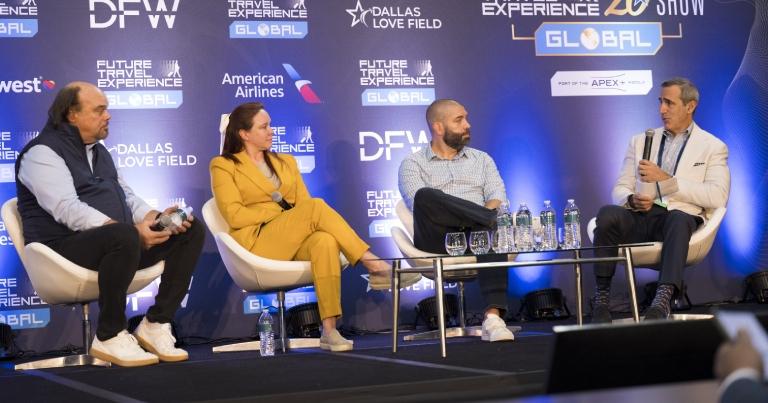
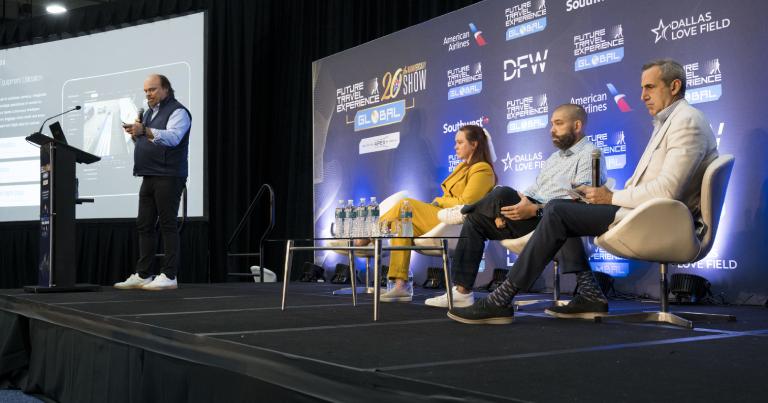
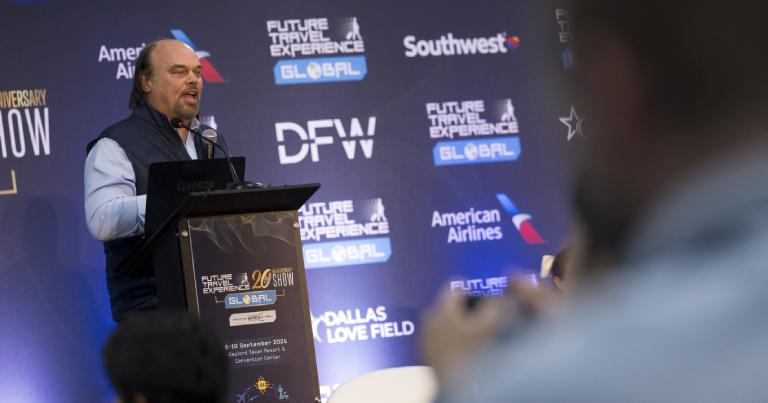
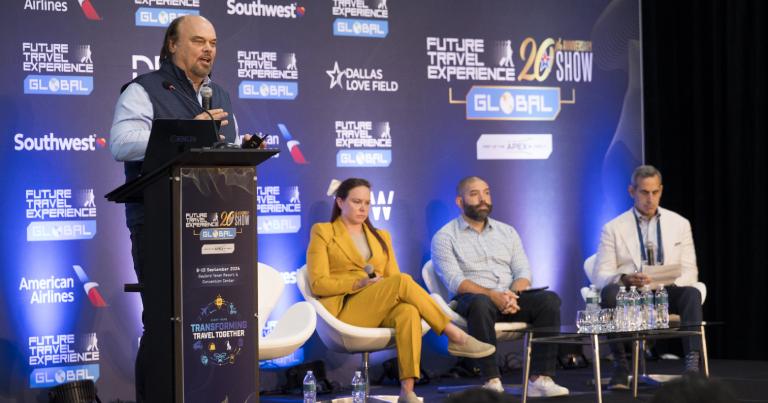
It was standing room only for a session focused on ‘Physical AI, smart environments and the future of travel’. Moderated by Paul Puopolo, EVP, Chief Technology & Innovation Officer, Dallas Fort Worth International Airport, the session opened with a special scene-setting presentation from Dave Copps, Serial Entrepreneur, Technologist, Futurist, and CEO & Co-founder of Worlds, on ‘How physical AI has created a new world of possibilities’. The panel – including Nicole Austin, Innovation Program Manager, Alaska Airlines, and Kevin Kleist, Head of Emerging Trends, Southwest Airlines – then explored the potential of Physical AI and smart environments for the air transport industry. They discussed what Physical AI means in practice, what smart environments mean for operational efficiency and the travel experience, and these developments might lay the foundations for the rollout of advanced robotics such as humanoids in the years to come.
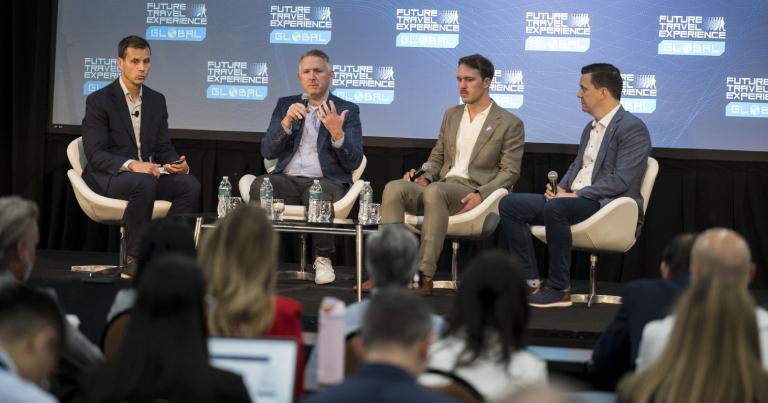
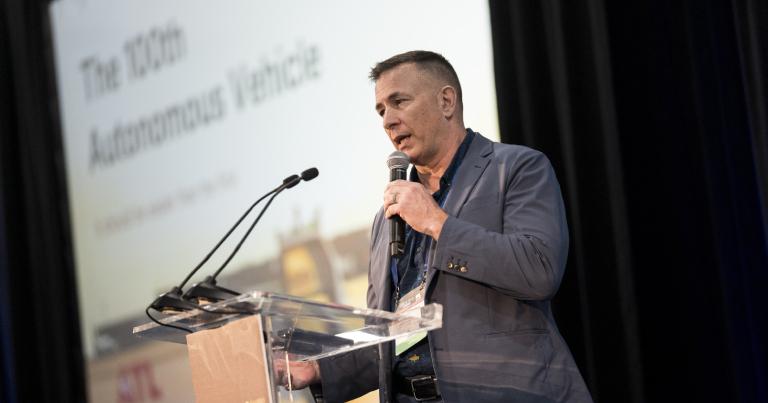
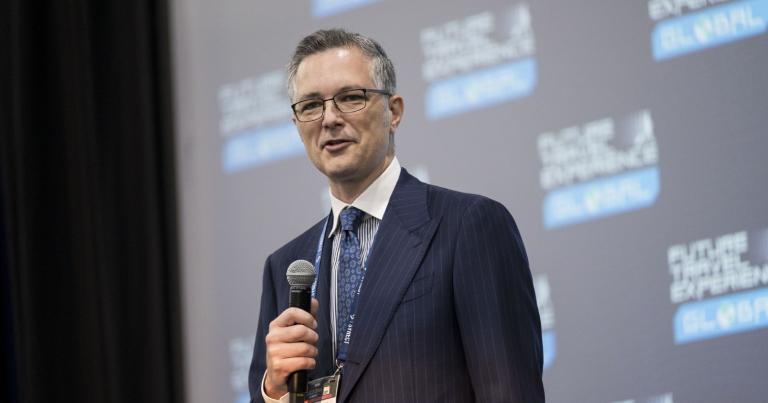
The Digital & Innovation Conference agenda concluded with an undoubted highlight – ‘The Autonomous Vehicles Symposium: How can the air transport industry successfully scale the rollout of autonomous vehicles?’ Topics covered in the session, which was sponsored by Verizon Business, included the importance of connectivity, putting the right building blocks in place, successfully moving from trial to implementation, overcoming obstacles, and embracing collaboration. Moderated by Max Gosney, Managing Director, Future Travel Experience, the session featured two segments. First, was a section on ‘Optimising baggage handling with robotics, smart automation and advanced connectivity’ featuring George Edwards, Director, Airport Customer Experience Technology, United Airlines; Daniel Lawson, SVP – Global Solutions, Verizon Business; and Kellen Schroeter, CEO & Co-Founder, Pattern Labs. Next, was a segment on ‘Implementing autonomous vehicles at one of the world’s busiest airports’ featuring Wesley Almeida, Chief Technology Officer, Hartsfield Jackson Atlanta International Airport, and Corey Clothier, Founder & CEO, Aribo & Global Automated Mobility Lead, Arcadis.
Future Airports Conference
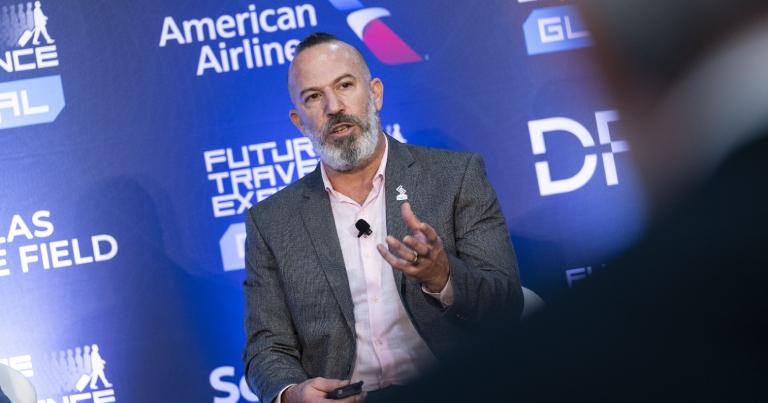
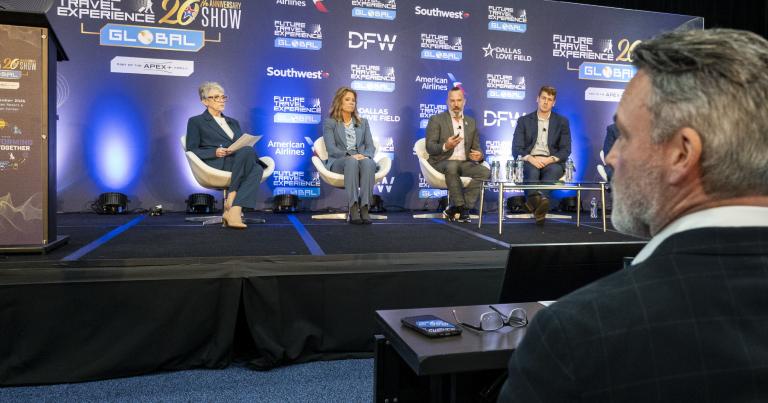
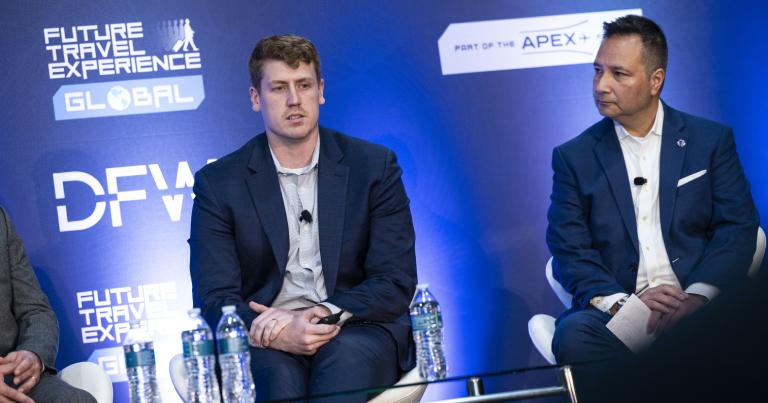
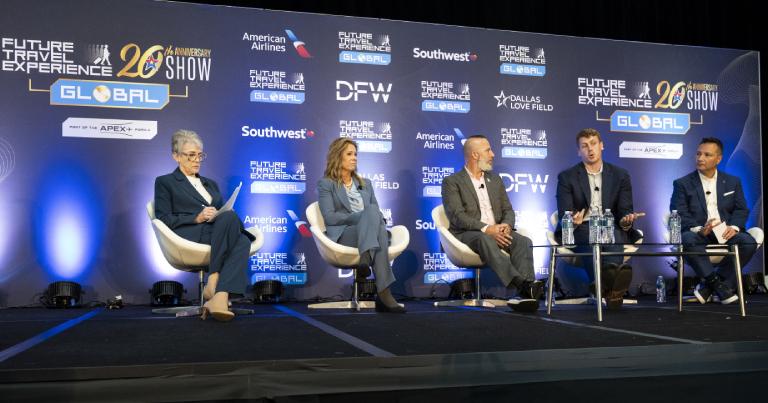
The Future Airports Conference opened with an undoubted highlight – a session titled ‘The Checkpoint Has Changed: Horizon 25, Public-Private Partnerships and the Future of Airport Security’. The airport security checkpoint is undergoing its most significant transformation in a generation. With TSA’s new Horizon 25 strategy, an evolved Screening Partnership Program, next-generation screening technology, and a new model for how checkpoints are funded, staffed, and communicated, the rules have changed – and airports that move first will define the passenger experience for America’s 250th anniversary, LA 2028, and beyond. This session, sponsored by Synect, brought together the leaders shaping that transformation: the screening technology innovators, the digital communication pioneers, the airline operators living it daily, and the industry leaders driving the new partnership model forward. Moderated by Wendy Reiter, Managing Director, Seattle-Tacoma International Airport, panellists included Jason Hausner, Managing Director, Passenger Facilitation, Delta Air Lines; Yahav Ran, CEO, Synect; LeeAnn Levesque, Vice President, Business Development, Analogic; and Trey Huelskamp, Director of Growth, VMD Corp.
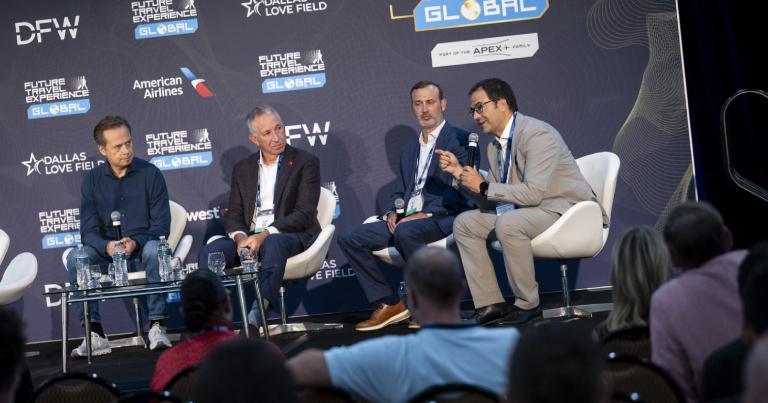
A key session titled ‘Towards the smart apron: Automating the turnaround process’ focused on reimagining the future of the airport apron within 10 years with automation powering the aircraft turnaround processes. Moderated by Max Gosney, Managing Director, Future Travel Experience, the session opened with a scene-setting presentation from Manuel van Lijf, Director Aviation Innovation, nlmtd, titled ‘Recommendations from the FTE Smart Ramp Con-Ops strategy and the latest findings from Smart Ramp member POCs’. An interactive panel discussion then enabled a range of stakeholders to share views relating to the merits, concerns, learnings and best approaches to establishing more intelligent operations for ramp and below-the-wing operations. Panellists included Diego Alonso Tabares, Airport Operations Senior Engineer, Airbus; Steve Goldberg, SVP of Operations and Hospitality, Southwest Airlines; and Justin Kester, VP Global Sales, Synaptic. Read our full preview article on the ‘Towards the smart apron: Automating the turnaround process’ session here.
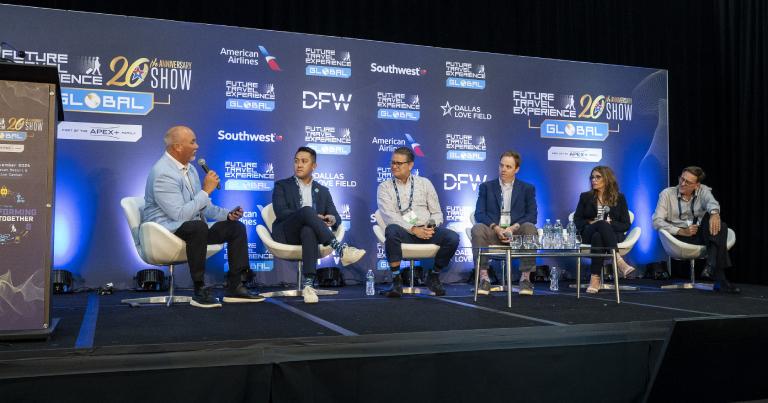
The revolution of the baggage process has begun – how do we ensure it continues and scales? That was the key question posed in a session focused on ‘Scaling the baggage handling revolution’. Moderator Darin Juby, Head of Transformation, Future Travel Experience, opened with a scene-setting introduction on ‘The latest baggage trends and insights from the FTE Baggage Innovation Working Group’. A presentation on ‘Modern baggage standards: The key to the next wave of innovation in baggage operations’ followed from Getnet Taye, Senior Manager Global Baggage, IATA. The session then moved into an interactive panel discussion featuring Allen Yuarata, Director, Terminal | Baggage & Groundside Services, Vancouver Airport Authority; Matthew Robb, Senior Vice President, Technical Operations, Denver International Airport; Massimo Cicetti, Head of Ground Operations, Innovation & Efficiency, IATA; Jen Zemba, Principal, Business Development, Introba; and Scott Goodwin, Airport Operations Expert.
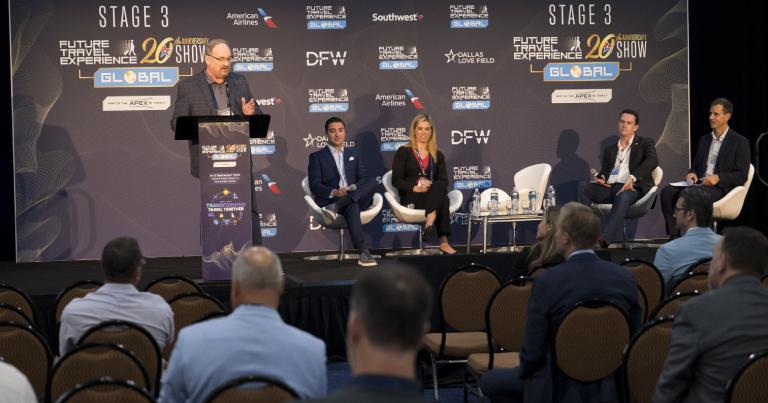
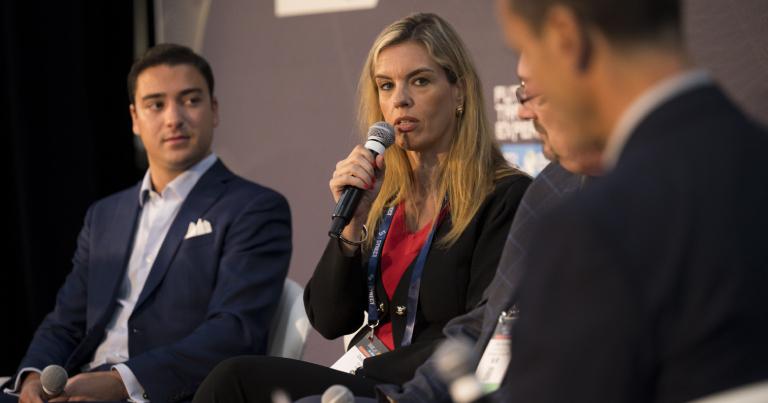
Another key session titled ‘Enter the ground handler’ – sponsored by Moonware – posed the question, why are we overlooking the best kept secret for supercharging passenger journeys? An expert panel discussed why ground handlers are minority players in airport and airline plans to roll out new technologies and initiatives designed to improve the customer experience, and how we can bring handlers to the table transform the performance enhancing power of innovations at the airport. Moderated by Max Gosney, Managing Director, Future Travel Experience, the panel featured Desiree Perez, President, EvolveWell; Javier Vidal, Founder & CEO, Moonware; Mike Garland, SVP Strategic Sourcing & Supply Chain/Corporate Real Estate, Unifi Aviation; and Paul Mills, Vice President, Strategy & Transformation, International Airlines Group (IAG).
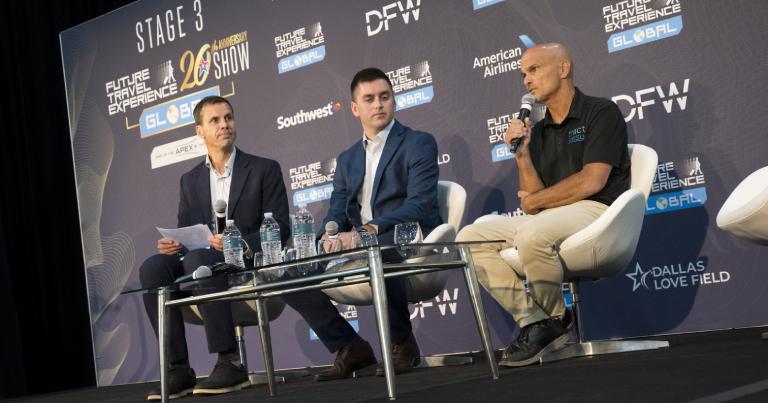
A special session on autonomous vehicles provided a report from the ramp on driverless GSE in trial. This session brought real world data and experiences from the deployment of TractEasy’s autonomous vehicle tech with Envoy Air’s operation at Dallas Fort Worth International. Speakers included Daniel Ortiz, Managing Director DFW Operations, Envoy Air, and Rich Reno, CEO, TractEasy.
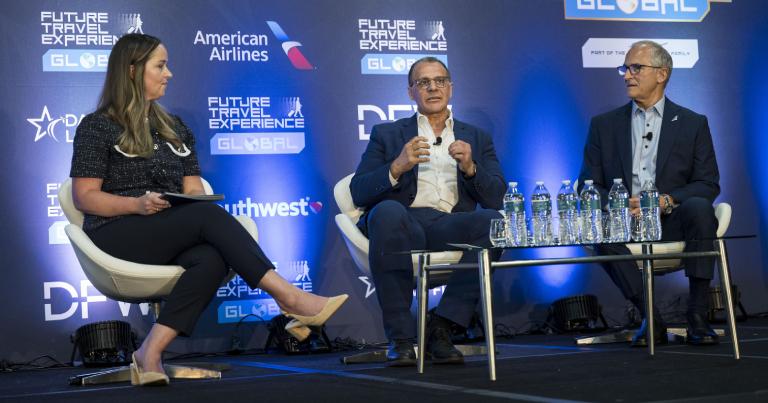
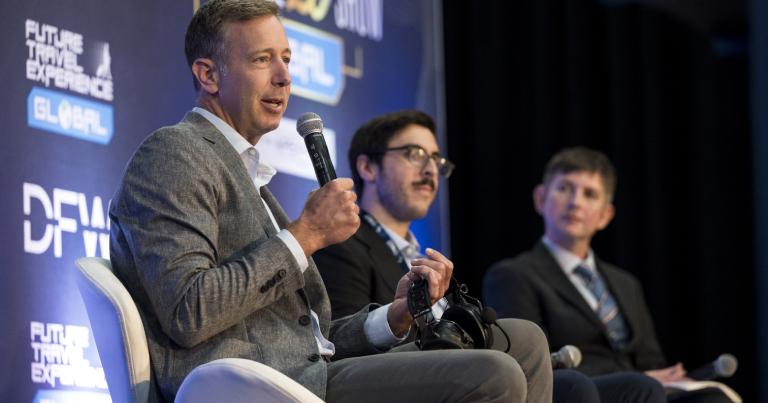
A Case Study Spotlight session focused on ‘Future airport design, collaboration and operating strategies’. Part 1, moderated by Sarah Jantz, Managing Director of Operations Communications, American Airlines, provide a deep dive on the new Terminal F at DFW International Airport. The compelling conversation featured Jim Moses, Senior Vice President of DFW Operations, American Airlines, and Mohamed Charkas, EVP, Chief Development and Infrastructure Officer, Dallas Fort Worth International Airport. Part 2 then focused on ‘Bringing eyes, ears and a voice to the turnaround’ with an insightful presentation by Tim Toerber, President (Americas), Assaia, and Peter Moeckel, CEO, Frontier Audio.
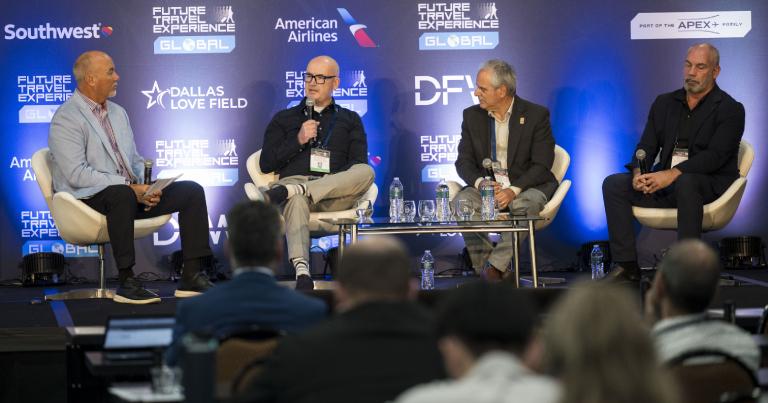
The Future Airports Conference concluded with a highlight session on ‘The airport tech stack of the future: Transitioning away from legacy systems’. The panel explored how the airport tech stack is evolving, how new technologies and tools can be integrated, whether the industry needs to transition away from legacy infrastructure altogether, and how the biggest challenges can be overcome to unlock greater operational efficiency. Moderated Darin Juby, Head of Transformation, Future Travel Experience, the panel featured Chris Gilliland, Director of Airport Experience, oneworld Alliance; Phillip Elchitz, Director, Operations & Innovation, Kelowna International Airport; and Michael Brown, General Manager Applied Intelligence, Queensland Airports Limited.
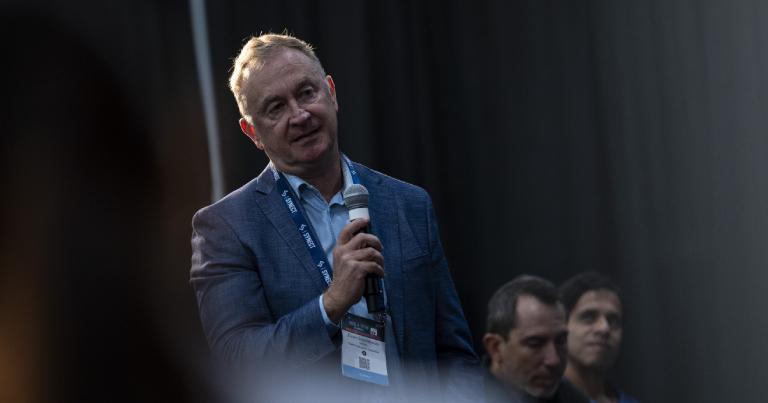
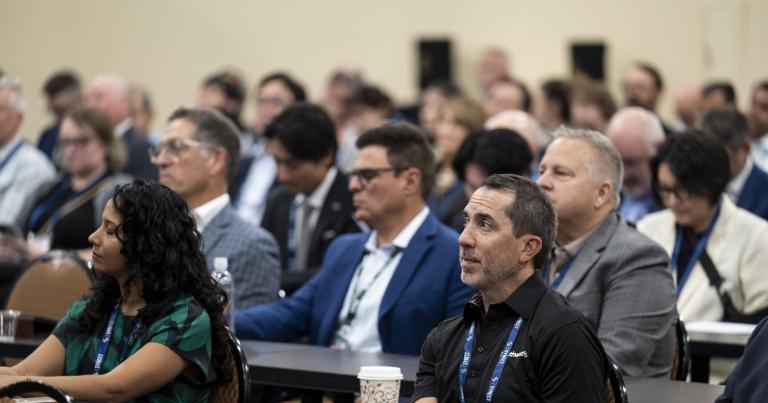
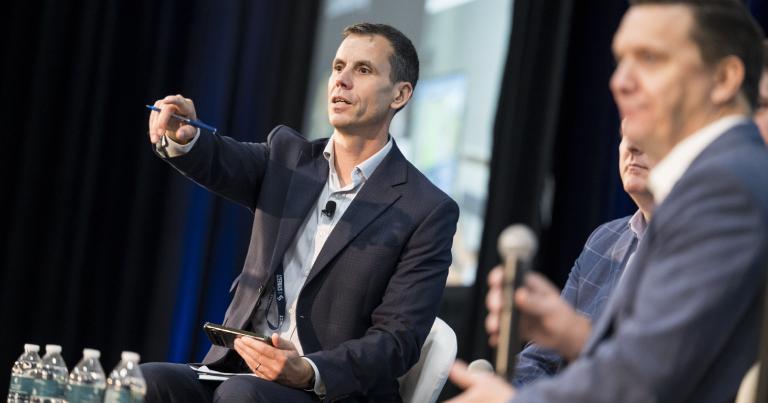
Future Trends & Customer Journeys Conference
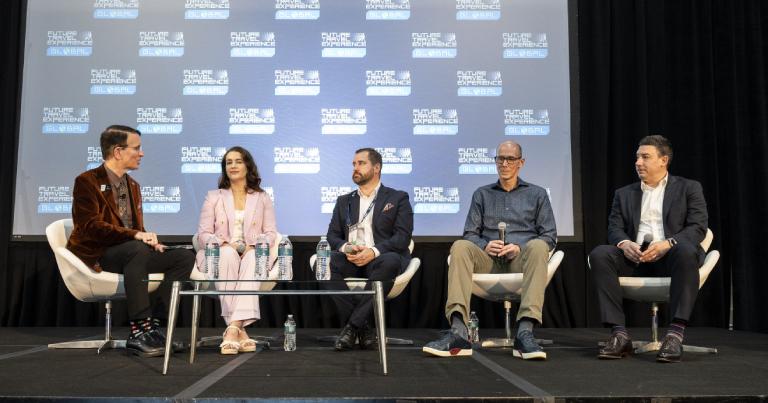
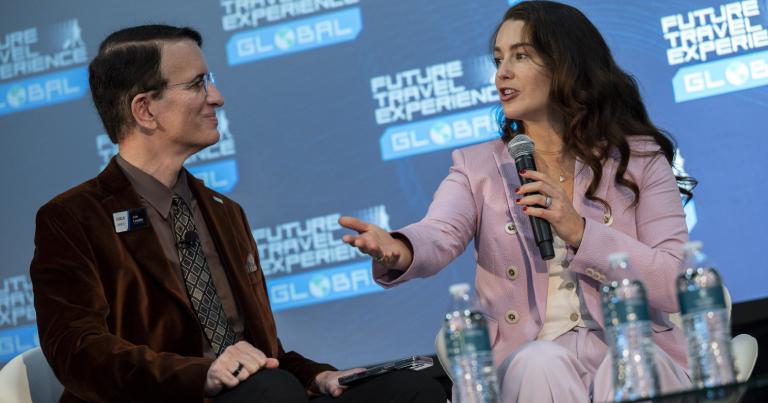
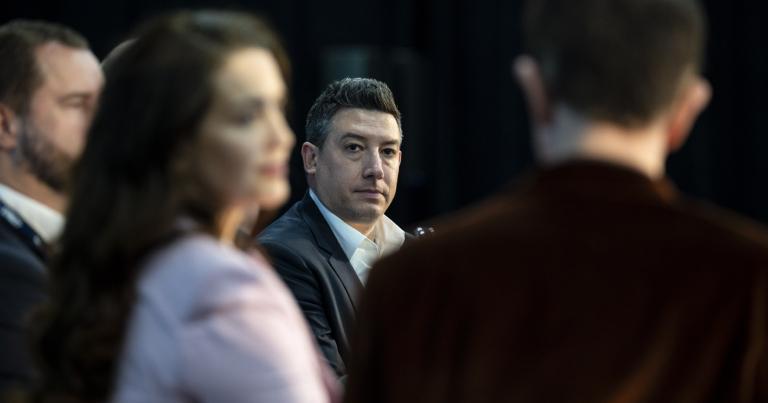
It was a packed conference room for the opening session in the Future Trends & Customer Journeys Conference, focusing on ‘Airline and airport leadership strategies to be future-ready’. The session, moderated by Dr Joe Leader, Group CEO, APEX/FTE/IFSA, explored how we bridge the gap between legacy leadership and future-ready air transport, and how the sector can unlock hidden capacity, operational efficiency and revenues by recalibrating future strategies and maximising collaboration. Panellists included Bernadette Berger, Director of Experience Strategy and Design, Alaska Airlines; Thomas Hoff Andersson, Managing Director & Chief Operating Officer, Munich Airport; Andrew Watterson, Chief Operating Officer, Southwest Airlines; and Patrick Carreno, Director of Aviation, Dallas Love Field Airport. Looking ahead to the future of air transport, the discussion explored how airlines, airports and their partners can prepare for significantly higher passenger volumes while unlocking hidden capacity across the existing ecosystem. Speakers considered the need for future strategies to be driven by a combination of passenger needs, operational efficiency and commercial sustainability, alongside deeper collaboration between industry stakeholders. The conversation also examined how new business models and revenue opportunities could emerge amid economic, environmental and workforce pressures, and how automation will reshape the aviation workforce. Sustainability remained a key priority, with stakeholders challenged to consider the actions required today to meet long-term environmental responsibilities. Looking further ahead, the panel explored the potential impact of Physical AI, eVTOLs and new aircraft technologies, and how these developments could fundamentally transform the passenger experience by 2050.
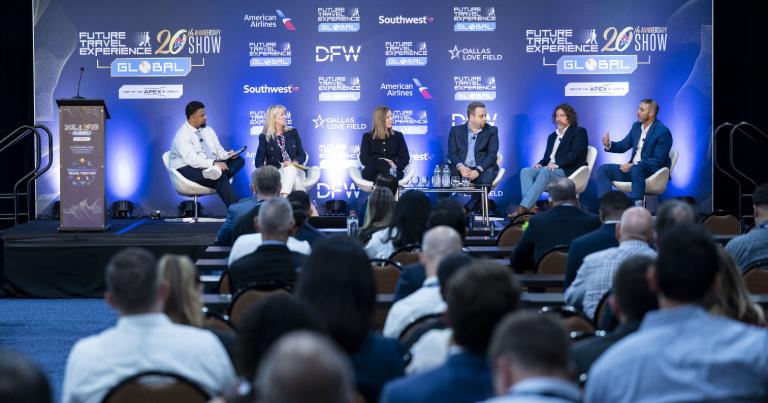
It was standing room only for ‘The Customer Experience Leaders Symposium’. Moderated by Jordan Parker, Aviation Reporter, The Dallas Morning News, the high-level panel featured Rhonda Crawford, Senior Vice President of Customer Experience Design and Strategy, American Airlines; Gerhard Girkinger, Vice President, Customer Experience and Airports, oneworld; Martha Edge, Innovation & Experience Director, Charlotte Douglas International Airport; Drew McMullen, Director of the Americas, Atrius; and David Sconzo, Sr. Customer Experience Manager/Assistant FIFA Lead, Hartsfield-Jackson Atlanta International Airport. The session explored how airlines, airports and their partners can harness emerging technologies, data and new approaches to reimagine the end-to-end passenger journey. A key theme was finding the right balance between digital and human assistance, ensuring that increasingly technology-enabled journeys remain inclusive and accessible for passengers with different needs. Speakers also considered how better use of data could enable more seamless and personalised experiences, while highlighting the need for greater collaboration across the ecosystem to improve passenger and baggage journeys. Particular attention was given to disruption, with the industry challenged to find new ways of maintaining a positive customer experience when things do not go to plan. Looking ahead, the discussion also examined how more processes could potentially be moved away from the airport, giving passengers greater choice and flexibility throughout their journey.
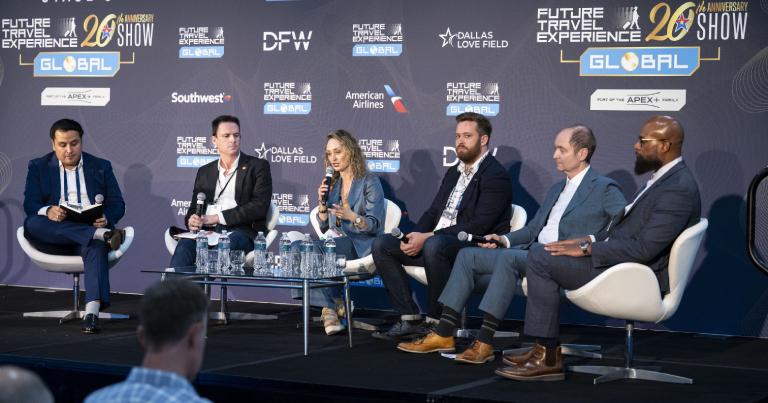
A key session focused on ‘Understanding the trends, and factors, that will impact customer journeys and future strategies of airports and airlines by 2040’ was sponsored by Coforge. This explored the changes coming in the near- to medium-term that could have a significant impact on the way airlines and airports plan their future strategies. The session also focused on what will be the biggest changes for our industry between now and 2040, and how all stakeholders should prepare for these changes today. The moderator, Stefan Sandoval Yepes, Principal, SKY VC, opened with a scene-setting presentation on ‘The technologies and trends re-shaping the air transport ecosystem’. The session then moved into an interactive panel discussion also featuring Ernest Huffman, Program Manager of Aviation Planning and Education, North Central Texas Council of Governments (NCTCOG); Erika Moore, Chief Officer, Strategy & Growth | Travel, Transportation & Hospitality, Coforge; Harald Sieke, Head of Department Aviation Logistics, Fraunhofer IML; Gus Naughton, Principal Software Engineer – Innovation, Alaska Airlines; and Paul Mills, Vice President, Strategy & Transformation, International Airlines Group (IAG).
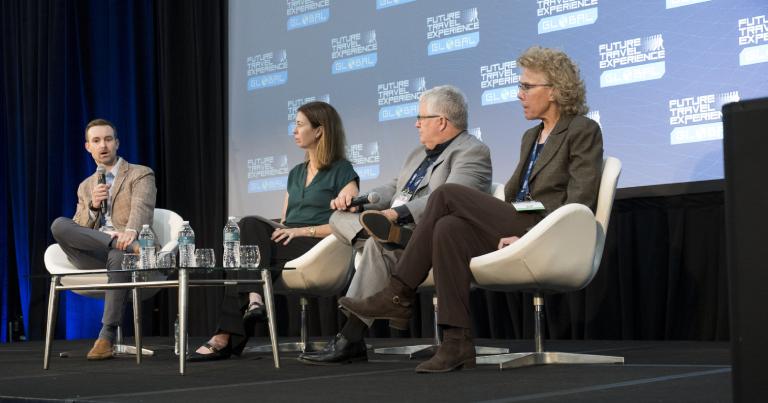
An undoubted highlight was a session focused on ‘Advancing digital identity & seamless travel efforts’. In this interactive panel discussion, the panellists shared a range of dynamic approaches and learnings on how they are advancing digital identity to deliver next-level customer experiences and efficiencies for industry stakeholders, plus ideas on how the industry can build compelling business cases and swiftly scale the use of biometrics technology for passenger, and industry, benefit. Moderated by Ryan Propis, Vice President of Security and Facilitation, U.S. Travel Association, panellists included Douglas Wycoff, Director of Digital Technologies & Innovation, Tampa International Airport; Lori Daigle, Program Manager for Outreach & Education, Identity Management, American Association of Motor Vehicle Administrators (AAMVA); and Nicole Williams, Executive Director, Ernst & Young.
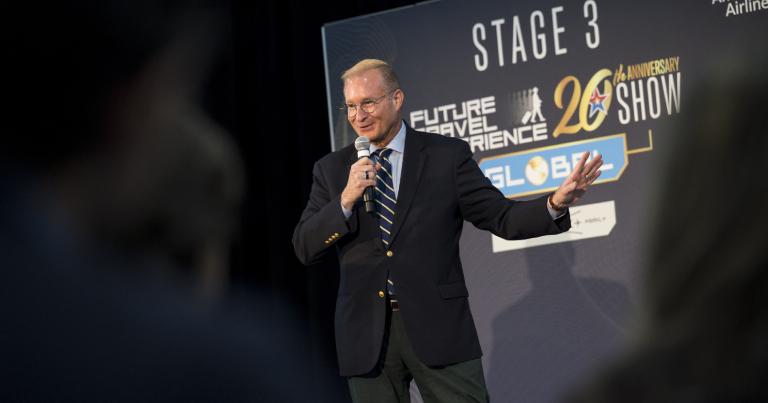
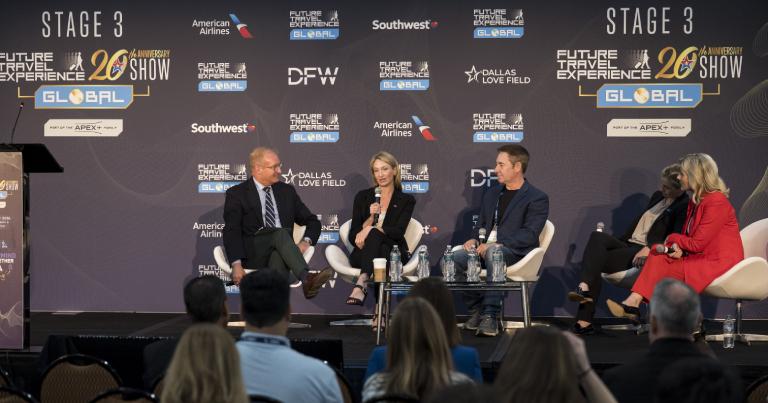
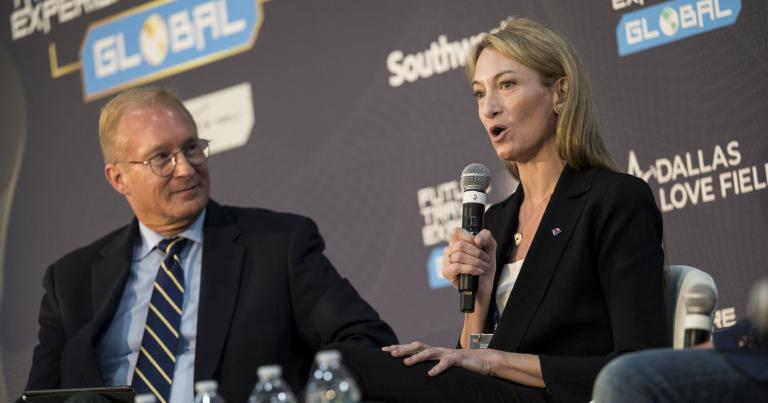
Another key session focused on ‘How AI and other technologies are reimagining the end-to-end customer journey and empowering the workforce’. This provided a compelling exploration of the secrets to using artificial intelligence (AI) and other new technologies to reimagine end-to-end customer journeys and empower staff along the way. Moderated by Brian Cobb, Chief Innovation Officer, Cincinnati/Northern Kentucky International Airport (CVG), the high-level panel featured Courtney Moore, Chief Revenue & Experience Officer, Los Angeles World Airports; Sharon McCloskey, VP Customer Experience, Dallas Fort Worth International Airport; Nicola Smith, Sr. AI Advisor, Southwest Airlines; and Bret Greenstein, Chief AI Officer, West Monroe. The session, sponsored by West Monroe, examined how AI and emerging technologies are moving beyond experimentation to deliver tangible benefits for both aviation businesses and their customers. Speakers explored where across the passenger journey AI and automation can have the greatest impact, from improving operational decision-making and productivity to enabling more relevant and personalised customer experiences. The conversation also highlighted the importance of balancing personalisation with privacy and trust, while ensuring that technology augments rather than replaces the capabilities of employees. Achieving this will require cultural and leadership changes that encourage employees to embrace new tools and ways of working. Ultimately, the session emphasised the need for airlines and airports to look beyond the technology itself and focus on measurable outcomes, using meaningful metrics to demonstrate improvements in the customer journey and workforce productivity.
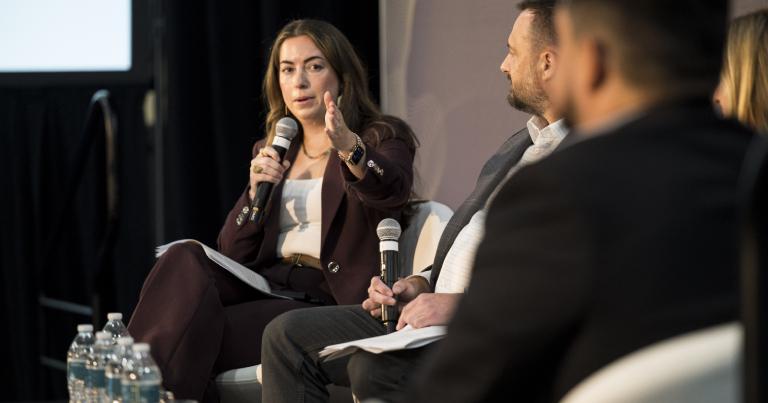
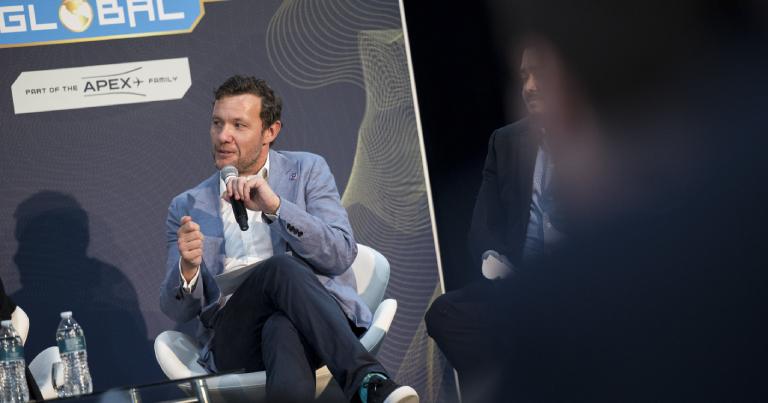
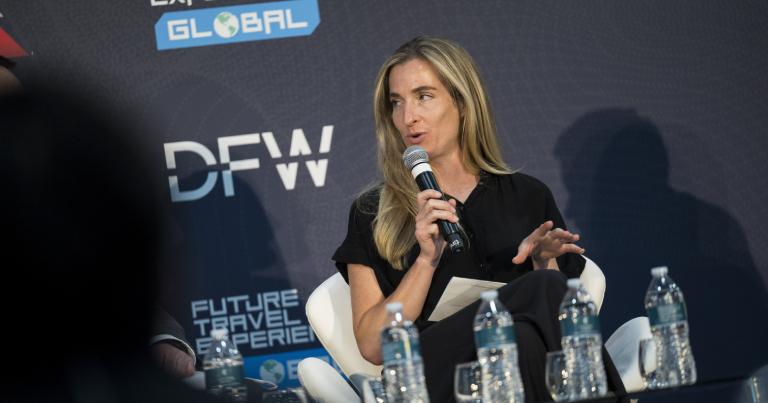
The Future Trends & Customer Journeys Conference concluded with an engaging session titled ‘In, out and around: Future airport mobility approaches’. This posed the central question, what are the new ways in which passengers will arrive and move through the airport, and how should the industry prepare for this? Moderated by Beth Larkcom, Director of Strategic Innovation, Cincinnati/Northern Kentucky International Airport (CVG), the high-level panel featured Ted Gordon, VP Airport Affairs, Southwest Airlines; Arica Gately, Airport Partnerships, Waymo; Max Coppin, General Manager UK, Joby Aviation; and Javier Centeno, Assistant Director – Aviation Operations, City of Dallas – Department of Aviation. The session looked at how the airport mobility ecosystem could evolve over the next decade, exploring how emerging solutions such as eVTOLs could change the way passengers travel to, from and around airports. Speakers considered the challenges that must be overcome before these technologies can be integrated at scale, from operational and infrastructure requirements to commercial viability. A key focus was the need to connect new mobility solutions with existing rail, road and public transport networks, creating a genuinely seamless end-to-end journey rather than isolated modes of transport. The discussion also examined the potential operational and commercial opportunities for airports and airlines, including how new mobility services can deliver value while generating a sustainable return on investment. Looking ahead, the panel considered which innovations could become part of everyday airport access and how significantly the passenger journey could change over the next 10 years.
The FTE Data Sharing Think Tank: Will widespread data collaboration ever become a reality?
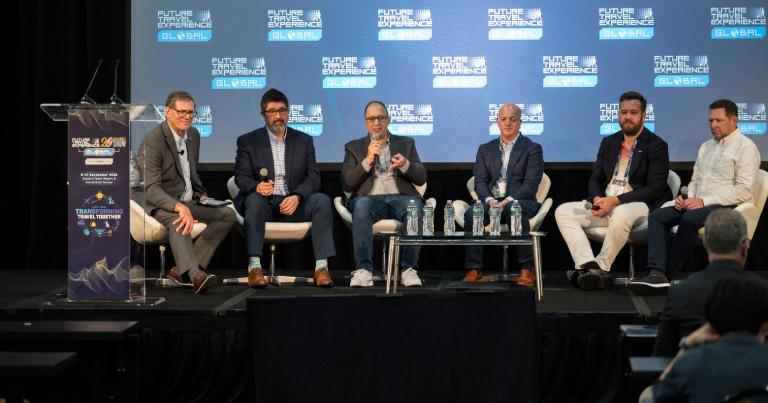
The FTE Data Sharing Think Tank is working towards the ultimate objective of collaboratively developing a Data Sharing Playbook that moves the industry from conceptual alignment to practical execution, clearly defining what good data sharing looks like, when it creates measurable value, and where realistic boundaries currently exist. This session provided an update on the latest developments, near-term opportunities, and challenges that must be overcome to make widespread data collaboration a reality. Moderated by Samuel Ingalls, Principal, Barich, Inc., panellists included Christian Kessler, Airport Transformation & Innovation Division Manager, Metropolitan Washington Airports Authority; Gus Naughton, Principal Software Engineer, Alaska Airlines; Tom Garrison, Enterprise Architect Emerging Trends & Innovation, Southwest Airlines; Diego Parra, Director IT Program Management Office (PMO), Houston Airport System; and Andy Isenman, Head of Data Programmes, Heathrow. The session examined the aviation industry’s longstanding ambition to create a more connected and collaborative data ecosystem, and why widespread data sharing has remained difficult to achieve. Speakers explored the clearest opportunities for collaboration to improve operational efficiency and passenger experience, while highlighting the commercial, technical, organisational, regulatory and cultural barriers that continue to create fragmented information silos. The discussion considered how concerns around data ownership, competitive advantage and liability can be balanced with the benefits of greater transparency and collaboration, alongside the role of common standards and data frameworks in enabling progress. With examples of existing data-sharing initiatives demonstrating the potential value, the session ultimately looked ahead to whether the industry can move towards a genuinely connected data ecosystem over the next decade.
U.S. CBP Symposium – efforts to further secure and enhance air travel through technology innovation
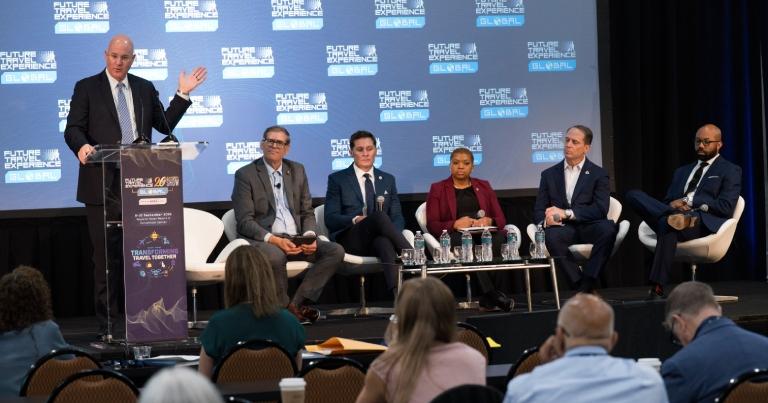
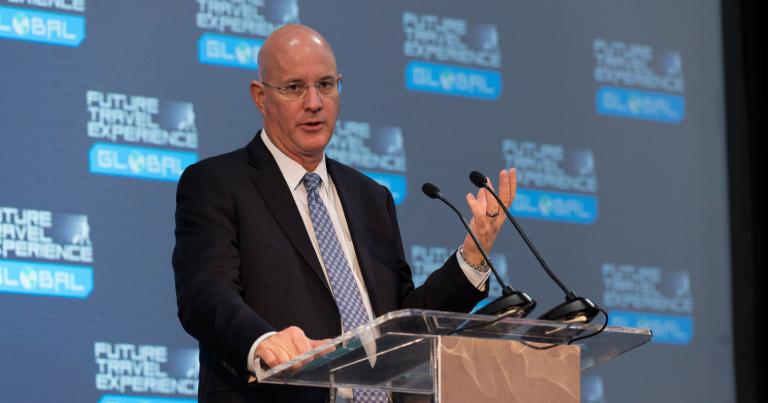
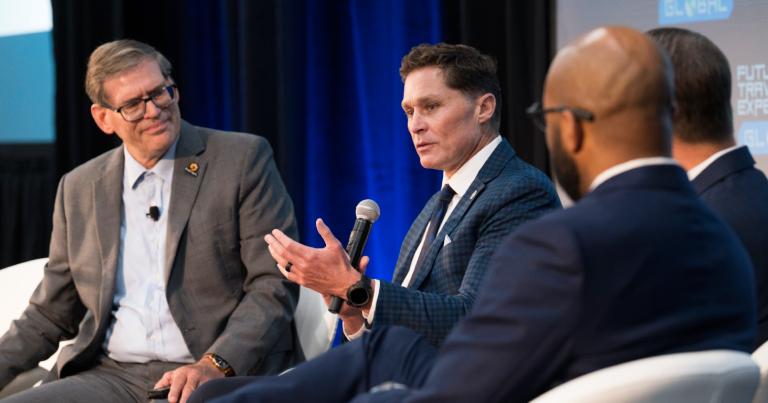
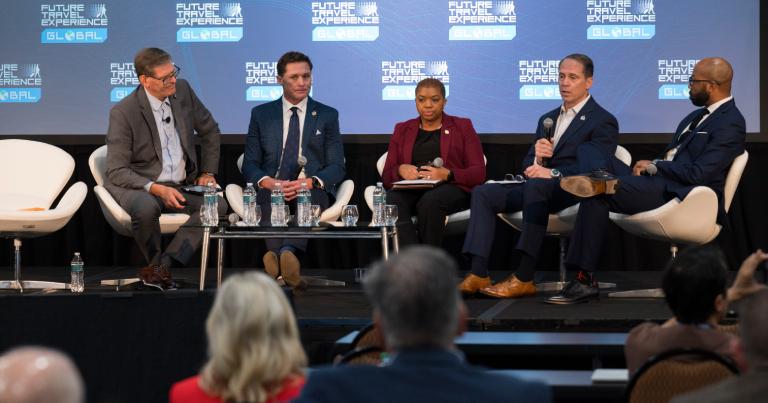
FTE Global 2026 was once more complemented by a U.S. Customs and Border Protection (U.S. CBP) Symposium. Moderated by Samuel Ingalls, Principal, Barich, Inc., the Symposium opened with a scene-setting presentation from Judson W. Murdock II, Director of Field Operations (DFO), Houston Field Office, Office of Field Operations (OFO), U.S. Customs and Border Protection (CBP). An interactive discussion then followed, featuring guest speakers including Jayson Ahern, Area Port Director / Dallas, U.S. CBP; Gary Tomasulo, Vice President, Corporate Security & Chief Security Officer, American Airlines; Jerome Woodard, Executive Vice President of Operations, Dallas Fort Worth International Airport; and Lawanda Hale, Deputy Federal Security Director, DFW Airport, Transportation Security Administration (TSA). The session provided an update on U.S. Customs and Border Protection’s efforts to use technology and public-private partnerships to create a more secure, seamless and touchless arrivals experience for travellers entering the United States. CBP officials highlighted the growing role of facial biometrics, mobile applications and other digital tools in streamlining the inspection process, while adding further layers of security. The discussion also explored the importance of close collaboration between CBP, airlines and airports, with Dallas Fort Worth International Airport providing a key example of how local stakeholder partnerships can support the implementation of new technologies and processes. With major international sporting events expected to drive increased travel to the U.S., including the 2028 Los Angeles Olympics, the session highlighted how technology and collaboration will be central to preparing the border and arrivals experience for growing passenger volumes.
Interactive workshops
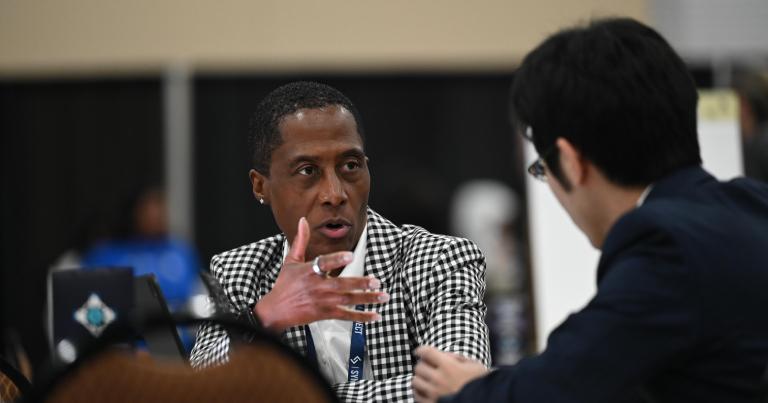
Attendees were able to go beyond traditional conference sessions by taking part in a series of interactive workshops. They were an opportunity to share ideas, collaborate with industry peers, and gain practical insights from expert facilitators in an engaging, discussion-led environment.
A workshop focused on ‘Successful change management approaches’ was facilitated by Kevin Kleist, Head of Emerging Trends, Southwest Airlines and Head of Innovation & Startup Engagement, Future Travel Experience; and Alex Teusink, Senior Director Transformation, Slalom. The interactive workshop explored how the aviation industry can successfully navigate the workforce implications of rapid technological change, as artificial intelligence (AI), autonomous vehicles, robotics and humanoid technologies move closer to widespread adoption. While these technologies have the potential to augment human capabilities and transform the way work is carried out, recent trials have highlighted concerns and resistance among employees. The session therefore focused on the importance of effective change management, with participants sharing strategies for building understanding, trust and engagement around new technologies. Rather than viewing technology adoption solely as a technical challenge, the discussion emphasised the need to put people at the centre of transformation and ensure that the workforce is equipped to work alongside increasingly advanced technologies.
A cybersecurity workshop led by Theresa Blackwell-Frank, Chief Information Security Officer, Virtuo Group Corporation, focused on ‘Balancing business innovation and cybersecurity to safeguard operations, passengers and data’. The interactive workshop examined the evolving cybersecurity landscape facing the aviation industry as digital transformation accelerates and technologies such as artificial intelligence (AI) and autonomous systems introduce new opportunities, and new vulnerabilities. Blackwell-Frank drew on her experience across the airport industry and other sectors to explore the increasingly sophisticated threats and expanding attack surfaces facing the aviation ecosystem. The session focused on how airports and other industry stakeholders can strengthen cyber resilience without slowing innovation, with particular attention given to protecting sensitive passenger, operational and business-critical data. A key takeaway was the need to embed cybersecurity into the development and adoption of smart technologies and digital infrastructure from the outset, rather than treating it as a separate consideration once new solutions are already in place.
FTE Global Pioneer Awards winners announced
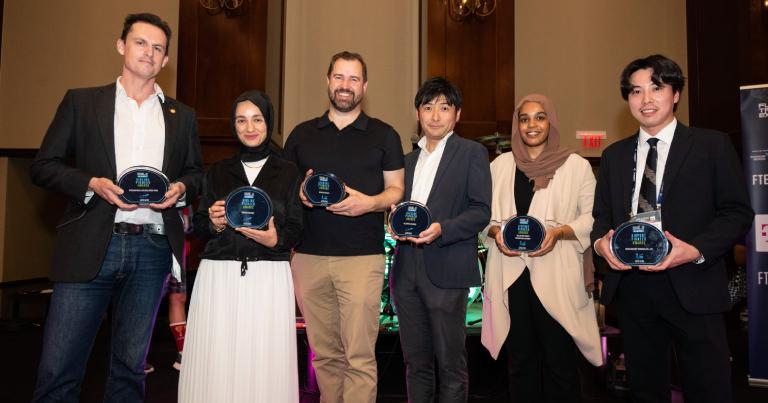
A highlight during the Networking Welcome Party, sponsored by T-Mobile for Business, was the FTE Global Pioneer Awards Ceremony, sponsored by Assaia, which recognised the world’s most pioneering airlines and airports for their outstanding efforts to transform the passenger experience and define the future of the air transport industry. International Airlines Group, All Nippon Airways and Turkish Airlines were recognised for ‘Outstanding Achievement’ in the FTE Airline Pioneer Awards, while Dallas Fort Worth International Airport, Munich Airport and Japan Airport Terminal Co., Ltd. emerged victorious in the FTE Airport Pioneer Awards category. You can read our full report on the FTE Global Pioneer Awards winners here.
FTE Senate meeting
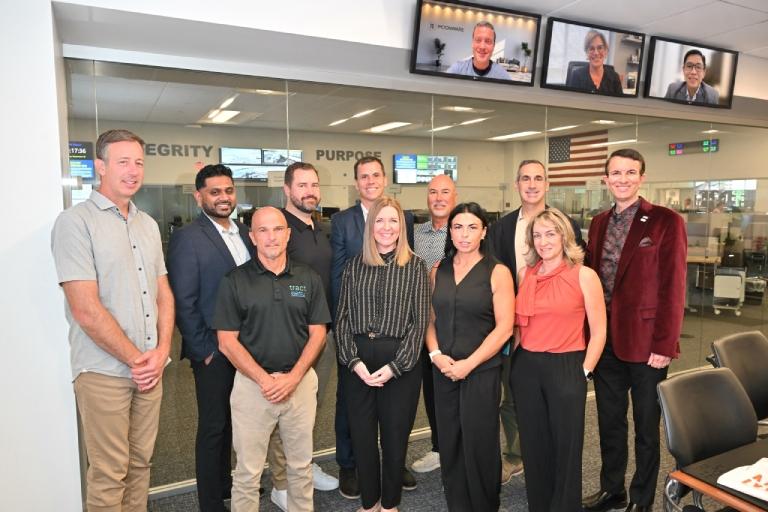
The new APEX Future Travel Experience Senate met for its inaugural meeting, hosted by Dallas Fort Worth International Airport in its Integrated Operations Center, as part of FTE Global. The Senate serves as a strategic advisory leadership body to the Board of Directors at APEX. It is the embodiment of our philosophy that aviation is a team sport. We serve one customer whose experience extends well beyond the aircraft cabin and into the sphere of airports, airlines, ground handlers, GSE manufacturers and technology providers.
Joining the meeting in-person were Tim Toerber, President – Americas, Assaia; Arvin Nagules, Senior Vice President, People & Technology, Menzies Aviation; Richard Reno, CEO, TractEasy; Thomas Hoff Andersson, Managing Director and Chief Operating Officer, Munich Airport; Max Gosney, Managing Director, Future Travel Experience; Martha Edge, Innovation and Experience Director, Charlotte Douglas International Airport; Darin Juby, Head of Transformation, Future Travel Experience; Nicole Hogg, Portfolio Director, Baggage, SITA; Paul Puopolo, EVP and Chief Technology & Innovation Officer, Dallas Fort Worth International Airport; Stacey Subiry, Chief People Officer, Airline Passenger Experience Association (APEX); and Dr Joe Leader, Group CEO, APEX/FTE/IFSA. Also joining the meeting virtually were Javier Vidal, Founder & CEO, Moonware; Christina Cassotis, CEO, Pittsburgh International Airport; and Gerald Ong, Strategy and Commercial Development, Hamad International Airport.
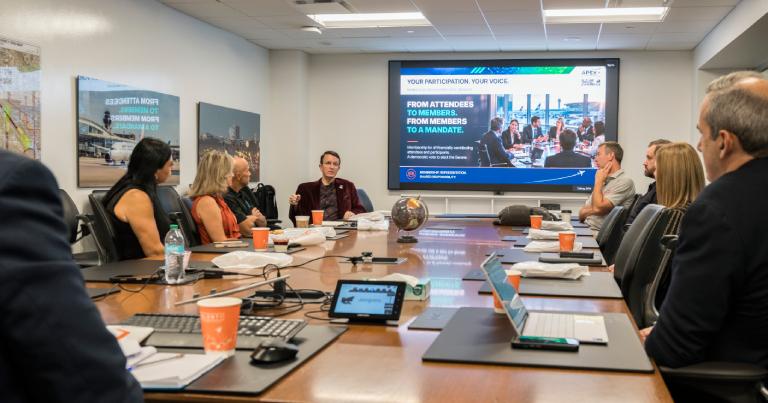
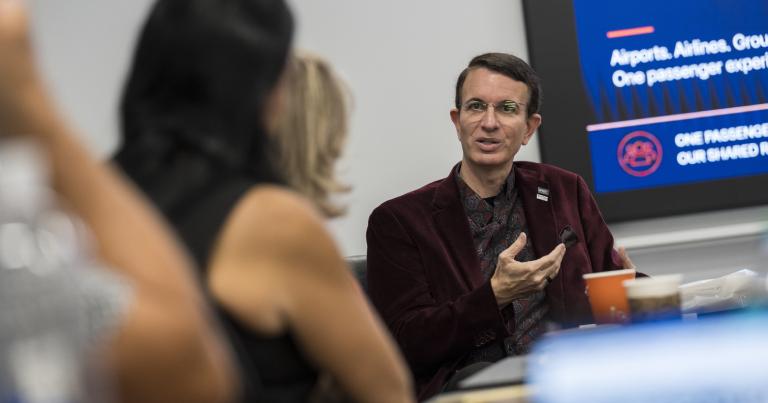
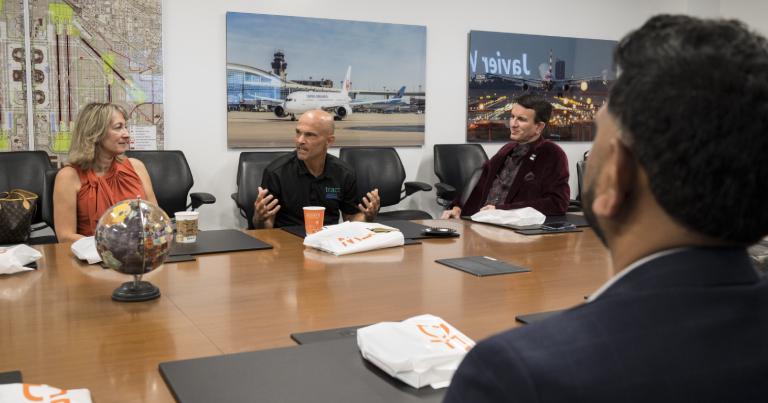
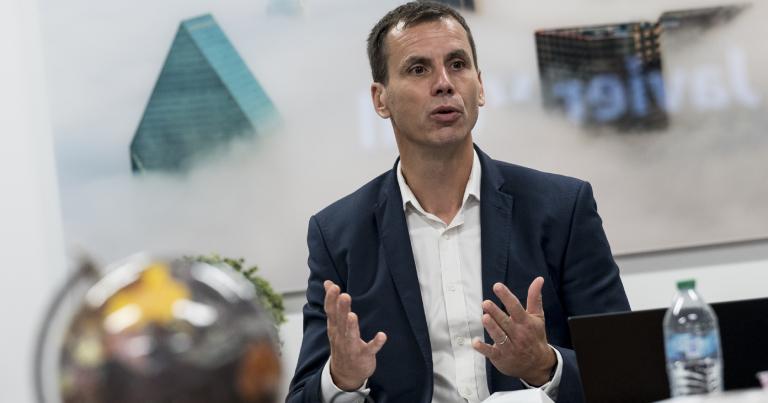
Exclusive FTE Digital, Innovation & Startup Hub members-only activities at Southwest Airlines
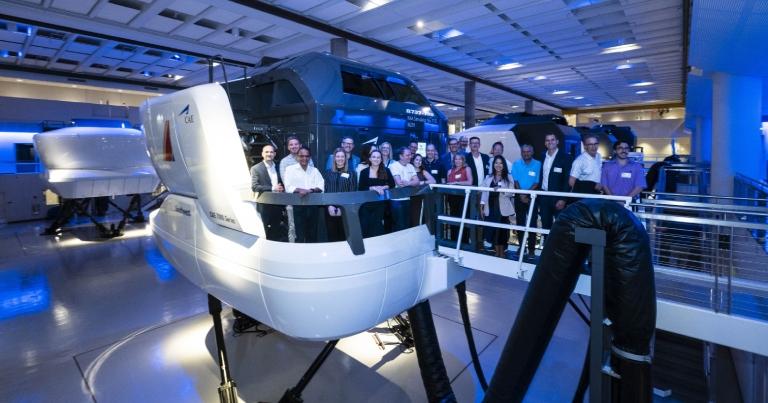
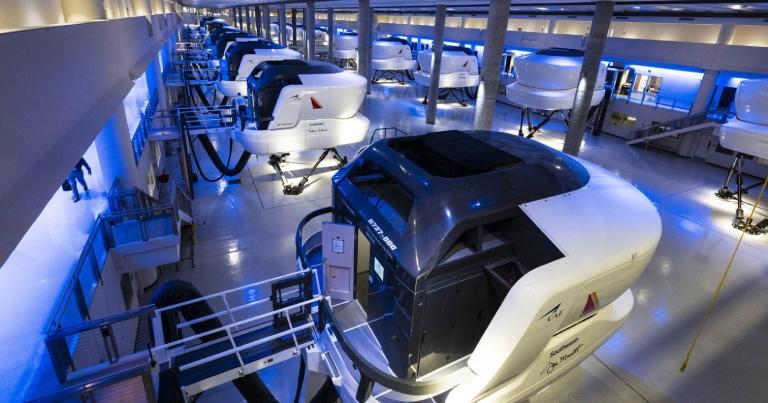
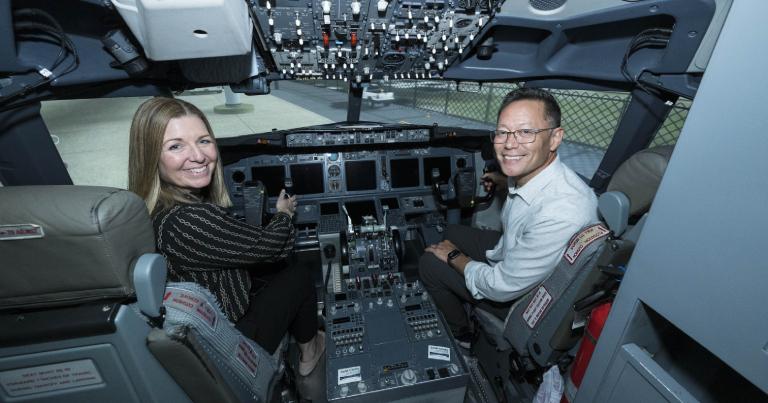
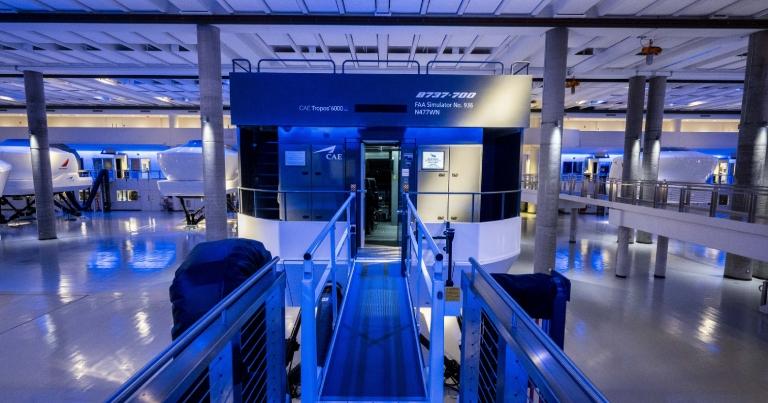
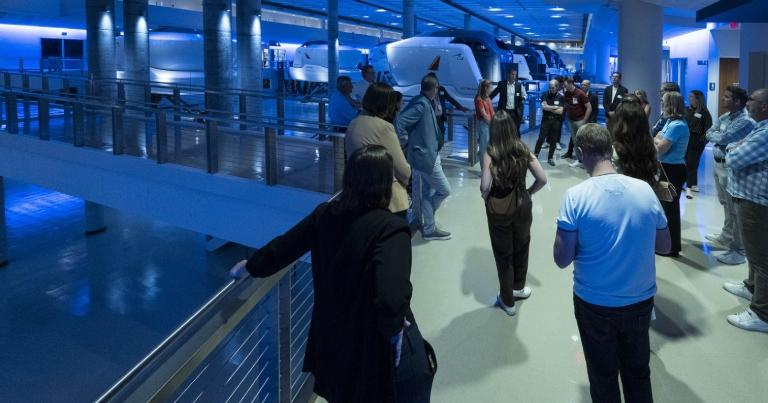
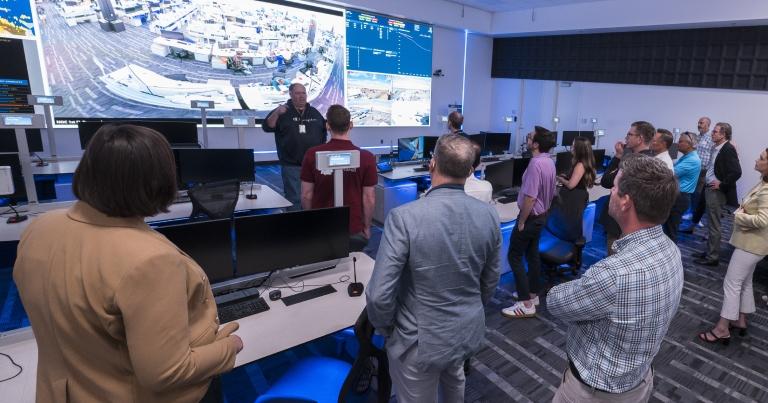
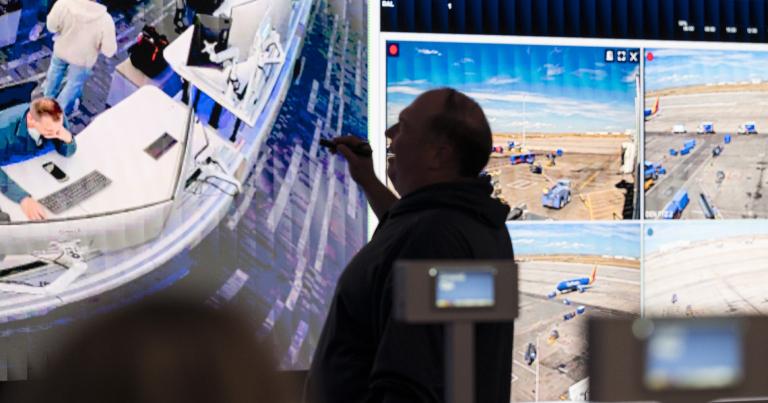
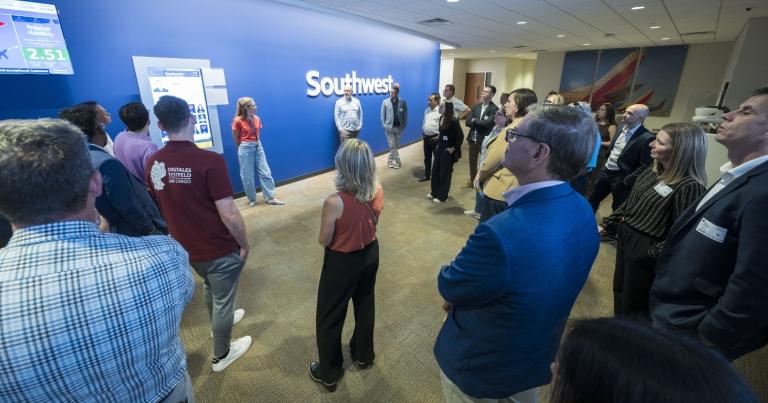
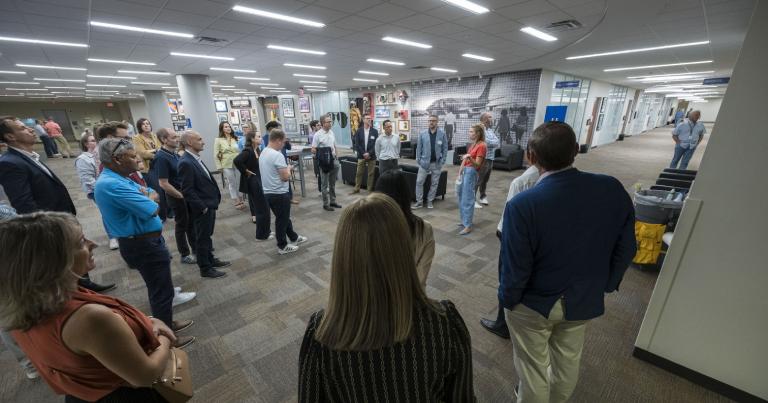
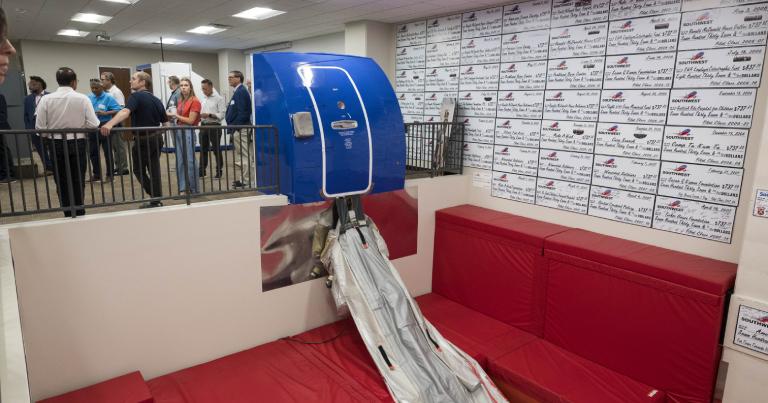
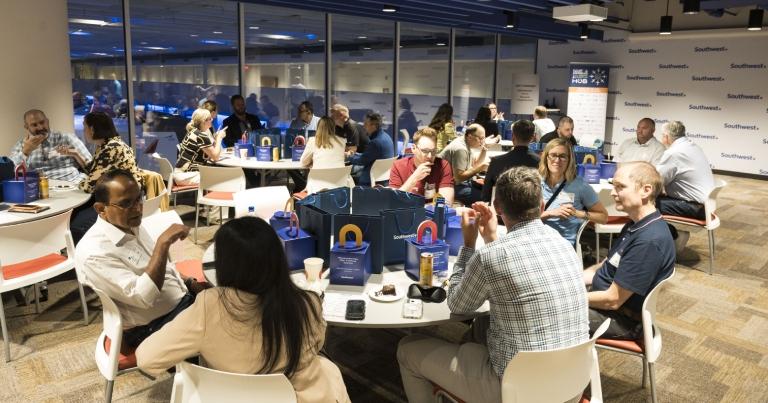
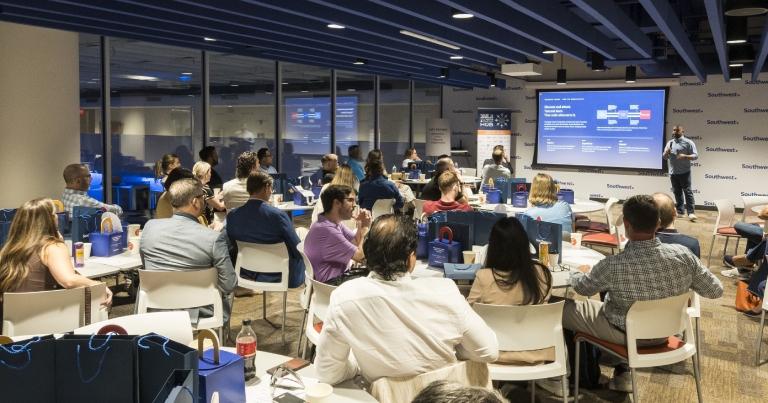
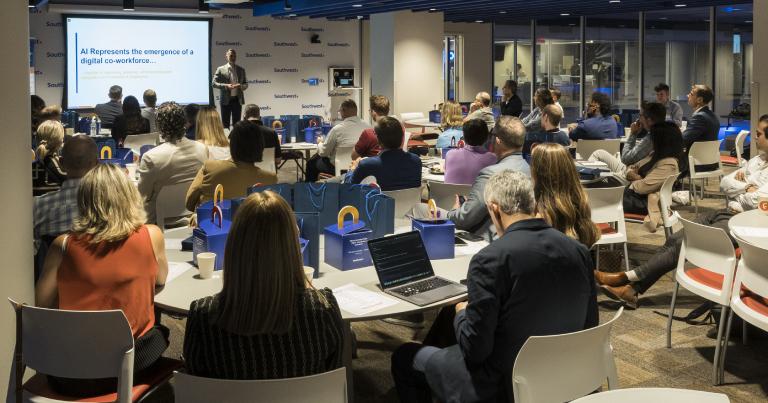
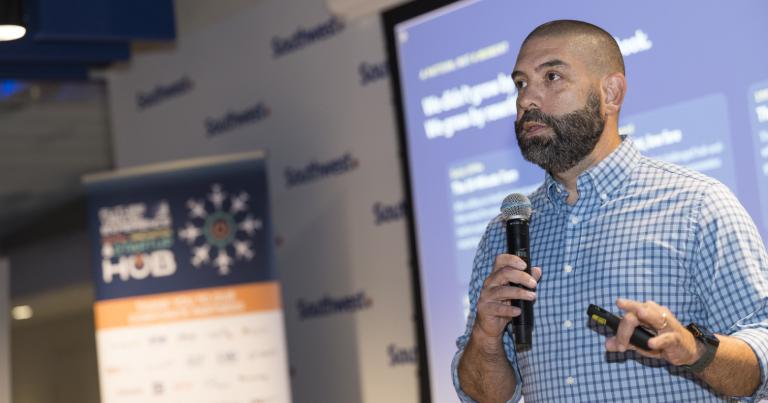
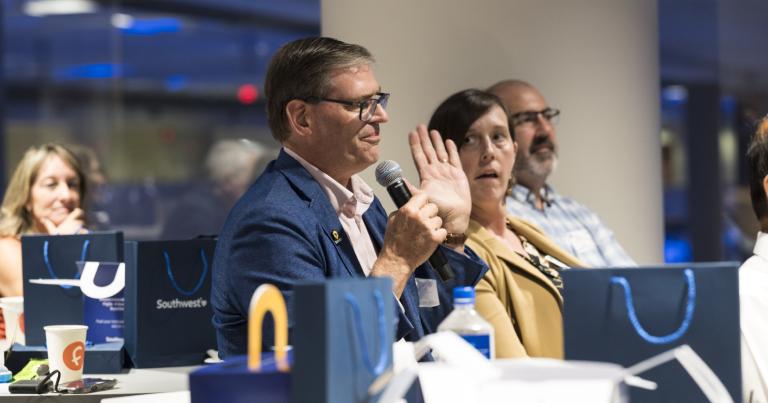
Future Travel Experience’s role as a dynamic community catalyst and enabler of industry transformation is spearheaded by its innovation communities, including the FTE Digital, Innovation & Startup Hub. The FTE Hub is a one-of-a-kind community where members can openly share their expertise and experiences, discover new partners and inspiration from outside of the sector, explore opportunities to collaborate, and deliver positive change. As part of these efforts, FTE Hub Corporate Partners had a unique experience in a truly memorable day of meetings and tours hosted by Southwest Airlines. Themed ‘Where Innovation Takes Flight: A Southwest Experience’, this exclusive event shared a behind-the-scenes look at how innovation and technology power one of the world’s most admired airlines. The packed agenda included:
- A networking lunch.
- An exclusive behind‑the‑scenes tour of Southwest’s newly renovated Network Operations Control (NOC) and Flight Training Simulators. Attendees saw where real‑time decisions and cutting‑edge technology keep the Southwest operation running smoothly and had a peek inside its state‑of‑the‑art pilot training simulators.
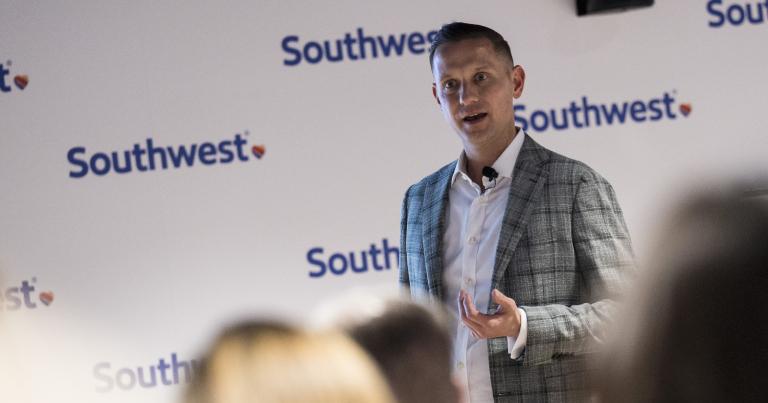
- The FTE Digital, Innovation & Startup Hub meeting featured an insightful opening presentation from Kevin Kleist, Head of Emerging Trends at Southwest Airlines and Head of Innovation & Startup Engagement at Future Travel Experience, to set the scene.
- The meeting continued with a compelling presentation from Justin Bundick, Vice President, Artificial Intelligence & Intelligence Platforms on Southwest Airlines’ AI journey: ‘Building the foundation, learning through doing, and enabling scale’.
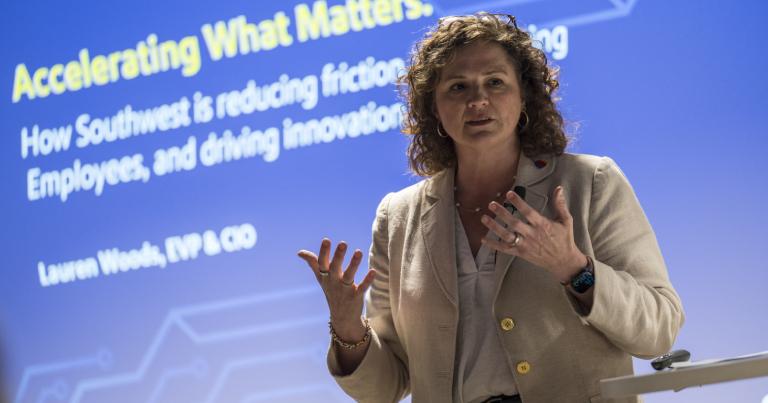
- A fascinating final presentation was shared by Lauren Woods, Executive Vice President & Chief Information Officer, Southwest Airlines, who discussed ‘Accelerating what matters: How Southwest is reducing friction, empowering employees, and driving innovation’.
- The agenda concluded with valuable networking and interactive discussions.
It was an unparalleled opportunity to learn how people, technology, and culture come together to drive operational excellence at scale.
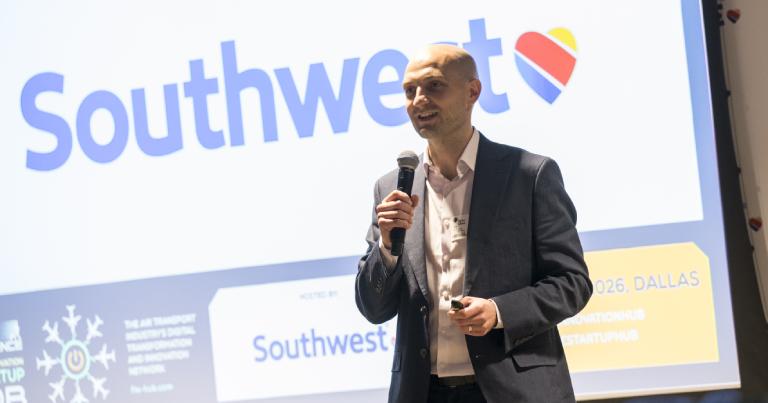
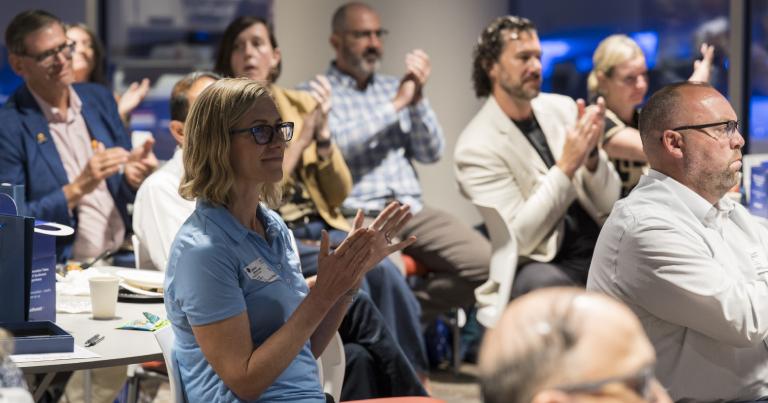
FTE Baggage Innovation Working Group meeting and exclusive DFW tour
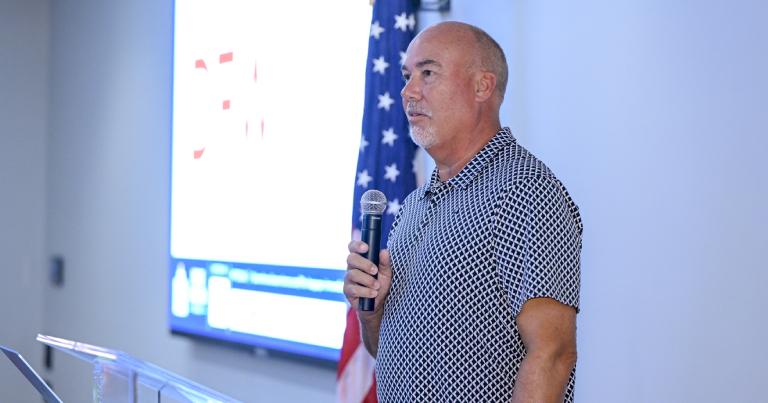
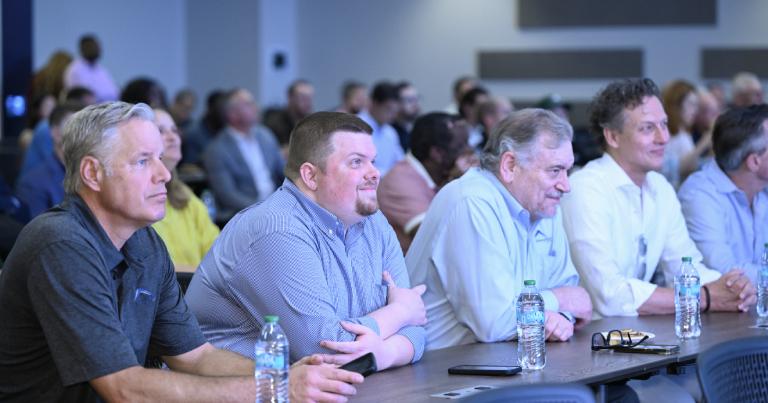
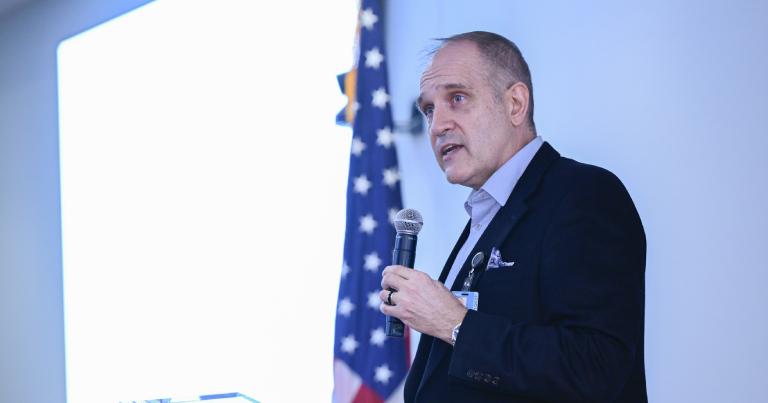
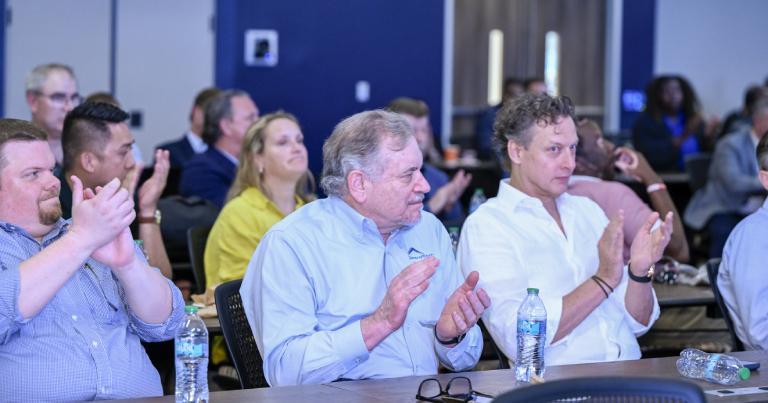
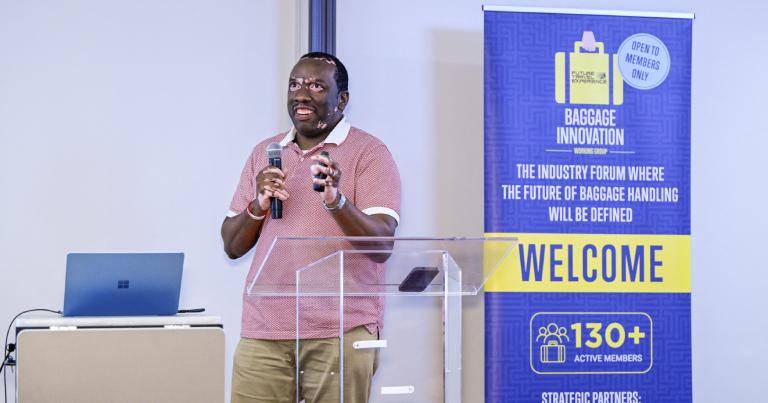
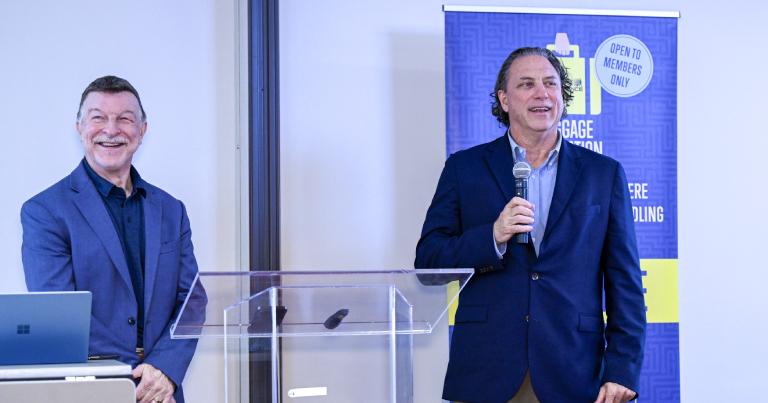
The FTE Baggage Innovation Working Group (BIWG) brings together the most innovative and progressive baggage supply chain companies, airlines, and airports from across the industry to provide a unique platform for cooperation and industry advancement. It is the platform for game-changing Proof of Concepts and developing new techniques, technologies, and business models to deliver tangible change in the baggage sector.
BIWG members met in the Integrated Operations Center at Dallas Fort Worth International Airport (DFW) for an informative meeting led by Darin Juby, Head of Transformation, Future Travel Experience. Themed ‘Scaling robotics & rethinking transfers: What it means for the future of baggage movement’, the packed agenda featured:
- A presentation on innovation at DFW from Paul Drury, Vice President, Product Development & Innovation, DFW, and Tony Tomazic, AVP Enterprise Innovation, DFW.
- A presentation on International Remote Baggage Screening (IRBS) by Lancelot Farquharson, Customs and Border Protection Officer Program Manager, U.S. CBP, and Cliff Burchfield, Business Development Executive, Brock Solutions.
- A presentation on ‘The future of baggage operations automation’ from Wade Timchuk, Global Business Development, Brock Solutions.
- Presentations on robotics by AAT Automation CEO Roman Kaiser, Azalea Robotics COO John Stroud, Cobot Lift CEO Henrik Elm Gullov, and Journey Robotics Founder & CEO Reeg Allen.
- IATA baggage updates from Getnet Taye, Senior Manager: Global Baggage Operations & Innovation, IATA.
BIWG members also had the opportunity to join an exclusive tour of Dallas Fort Worth International Airport (DFW), including:
- A live SWAT demonstration showcasing specialised capabilities and tactical response operations.
- A first-hand overview of how DFW manages real-time airport operations.
- A guided visit of the Emergency Operations Center (EOC).
- A bus tour of key airport facilities, including the ARFF (Aircraft Rescue and Firefighting) complex and Terminal F construction site.
What’s next – APEX FTE EXPO, Singapore, 18 to 19 November 2026
You may also be interested in
12 technology and CX trends that can enhance airline and airport operations in 2026
Air Canada targets more proactive, personalised passenger experience with AI and better data
Making travel more human: Virgin Voyages on AI, hospitality and reimagining the passenger experience