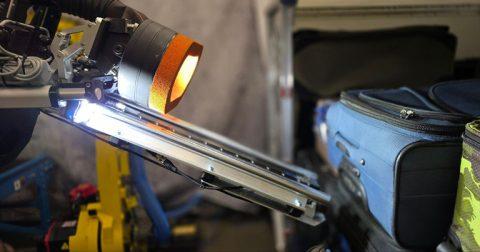





The baggage domain is entering a pivotal phase of transformation. As passenger volumes continue to rise, airports and airlines are increasingly rethinking traditional operating models and embracing smarter, more scalable solutions. Technologies such as robotic loading aids, autonomous vehicles, and advanced bag tagging and tracking are moving rapidly from pilot to practice, promising gains in efficiency, resilience and passenger confidence. Our comprehensive focus on baggage innovation spotlights the top baggage trends to watch in 2026, with compelling insights from FTE Baggage Innovation Working Group (BIWG) Captains and a wide selection of BIWG Partners.
Learn more about the FTE Baggage Innovation Working Group – the industry forum where the future of baggage handling will be defined >>Air Canada, GOAA, Southwest, Barich Inc, YVR, BNP Associates, BEUMER Group, Introba, and BAGTAG on AI, robotics and automation, baggage tracking, computer vision and much more
In part 1 of our comprehensive focus, Air Canada, Greater Orlando Aviation Authority, Southwest Airlines, Barich Inc, BNP Associates, Vancouver Airport Authority, BEUMER Group, Introba, and BAGTAG share their perspectives on the key baggage trends set to shape the industry in 2026 and beyond. You can view part 2 of our baggage trends focus – featuring Star Alliance, British Airways, Denver International Airport, SITA, Brock Solutions, Aegean Airlines, Western Sydney International Airport, CLX Engineering, Vanderlande, Aer Lingus, Cobot Lift, BagID, and Arrow Analytics – by clicking here.
Jason Odey, Director Global Baggage Excellence, Air Canada

Jason Odey, Director Global Baggage Excellence, Air Canada and a BIWG Captain, shares that in 2026, innovation programs will shift from concept exploration to measurable, on-the-ground outcomes – proving automation, artificial intelligence (AI), and end-to-end visibility in live operations while building the foundations to scale through the next 5-7 years. “Our priority is to reduce mishandled baggage, improve turn reliability, and modernise ramp and baggage workflows by pairing data-first tooling with targeted robotics and autonomous vehicle deployments. Across baggage, 2026 is about turning vision into action: deploying new employee tools, accelerating bag tracking and maturing the digital ecosystem for the customer and frontline employee. More and more Proof of Concepts will be deployed in our airports which will take us to the future of baggage at scale with modernised Baggage Handling Systems (BHS) being the ‘backbone’ or our enabling infrastructure for the automation roadmap ahead. 2026 is the execution year: proving autonomous operations, expanding bag visibility/tracking, and modernising the digital + physical baggage ecosystem to scale automation through 2032.”
Scott Goodwin, Assistant Vice President, Airport Operations, Greater Orlando Aviation Authority
 Scott Goodwin, Assistant Vice President, Airport Operations, Greater Orlando Aviation Authority and a BIWG Captain, shares that the baggage industry in 2026 is expected to place even greater emphasis on real‑time tracking and enhanced functionality for dynamic baggage management. “Baggage Handling Systems (BHS) will continue to evolve beyond traditional conveyor-based platforms as airports adopt autonomous technologies, Automated Guided Vehicles (AGVs), robotics, Individual Carrier Systems (ICS), and cross-belt sortation systems. Improved tracking will also support more efficient just‑in‑time bag delivery and sortation, helping the industry move away from ‘first-in, first-out’ constraints that limit many current BHS operations. Growth in Early Baggage Storage (EBS) and Dynamic Baggage Storage systems will improve overall processing reliability. These solutions allow bags to be sequenced and released in a more controlled, organised manner rather than arriving intermixed, reducing the likelihood of human error associated with manual reading and sorting. Outside the core BHS, robotics and autonomous systems will play a larger role in supplementing service levels and increasing capacity. These technologies can process multiple tasks simultaneously, reducing delays and reliance on lengthy manual procedures at baggage claim. Real‑time re-flight capabilities are also gaining traction as electronic bag tags enable dynamic rebooking or updates based on operational conditions, eliminating the limitations of static bag-tag data printed at check‑in. Overall, the baggage environment is shifting toward a more dynamic, responsive operational model – moving away from today’s heavily pre‑planned processes. Increasing system integrations will drive proactive communication, improve resource allocation, and enhance both efficiency and service levels. The future of baggage handling will continue to centre on real‑time data, automated decision‑making, and flexible processes that support the demands of an increasingly dynamic aviation industry.”
FTE Baggage Innovation Working Group (BIWG) members will convene for an unmissable event in Orlando on 9-11 February 2026. An in-person meeting will be hosted by Orlando International Airport on 9 February. The program will also feature an evening networking event on 9 February and the 3rd Annual BIWG Golf Day on 10 February. Meanwhile, among the tours on offer will be a special visit to the CLX Engineering facility in Sanford, Florida, on 11 February, where BIWG members will see some innovation in baggage, as well as an autonomous boarding bridge.
Kevin Kleist, Head of Emerging Trends, Southwest Airlines

Kevin Kleist, Head of Emerging Trends, Southwest Airlines and a BIWG Captain, shares that baggage handling is emerging as one of the most practical proving grounds for robotics in aviation. “Unlike many other parts of the operation, baggage environments are highly repetitive, physically demanding, and constrained by tight time windows. That combination makes them well suited for robotic assistance, but only if the technology can perform reliably under real operating conditions. The industry is past the point of asking whether robots can move bags or see them. The focus now is on understanding where robotics can meaningfully improve flow, safety, and consistency without disrupting established processes or creating new points of failure. What is changing in 2026 is the way robotics is being evaluated and applied. The influence coming out of CES 2026 is less about eye-catching machines and more about task level automation built for specific operational problems. In baggage handling, this shows up in areas such as robotic induction, automated container loading and unloading, autonomous carts and tugs, and vision-based exception handling. These systems are not being positioned as replacements for people, but as tools to reduce manual strain, stabilise throughput during peak periods, and improve recovery when things do not go as planned. The critical work ahead is operational learning. Live trials are needed to understand reliability over time, interaction with human teams, and performance at scale. For baggage operations, robotics in 2026 is less about transformation narratives and more about disciplined testing that builds confidence and sets the foundation for broader adoption.”
Samuel Ingalls, Principal, Barich, Inc.

Samuel Ingalls, Principal, Barich, Inc. and a BIWG Captain, shares that it is exciting to see the uptake of Individual Carrier Systems (ICS) in North America. “For whatever reason, this move was rather slow to transpire, but is now gaining speed, with even smaller airports realising the many benefits of implementing these systems, some of which integrate directly into self-bag drop units. The Grand Rapids Airport is one great example of such an implementation, as they extend common use self-service into the assisted bag drop realm, with a directly integrated ICS tote in the self-drop unit. The implementation seamlessly utilises common use kiosks (CUSS) and agent assist positions (CUPPS), with integrated Web Services messaging to facilitate the transactions. This is a stellar example of an airport working with its stakeholder airlines to lean steadily forward into the future of baggage processing and customer experience.”
Allen Yuarata, Acting Director, Baggage Operations, Vancouver Airport Authority
 Allen Yuarata, Acting Director, Baggage Operations, Vancouver Airport Authority and a BIWG Captain, highlights that in 2026 we will see baggage operations being reshaped by artificial intelligence (AI)-driven technologies that prioritise efficiency, accuracy, and automation intelligence over traditional mechanical systems. “At the forefront is computer vision or the use of camera analytics, which enables real-time analysis of baggage flows across the airport ecosystem. Advanced camera networks and deep learning models can now instantly identify bag tags, capture ‘baggage biometrics’ and other types of information that can detect improper handling or misrouted luggage and reduce safety risks. This capability enhances security and tracking while reducing reliance on physical scanning and manual intervention. With computer vision, baggage logistics becomes dynamic – conveyors can automatically divert bags based on live visual classification, reducing bottlenecks and minimising errors. Beyond vision systems, AI and predictive analytics are transforming how baggage operations anticipate and respond to demand. Machine learning models ingest historical data, flight schedules, and real-time inputs to forecast peak volumes and optimise staffing – enabling a more resilient service. This leads to smarter resource allocation, reduced processing times, and fewer delays. Combined with automated decision-making tools, staff can focus on active airport management rather than routine tasks, improving overall throughput. As airports move away from heavy mechanical tech and toward software-centric systems, the integration of computer vision with AI promises more transparent, efficient, and resilient baggage handling – ultimately lowering costs and further improving passenger experience.”
Idar Sørgjerd, Associate Director & Head of R&D, BNP Associates, and formerly Head of Baggage Handling, Avinor
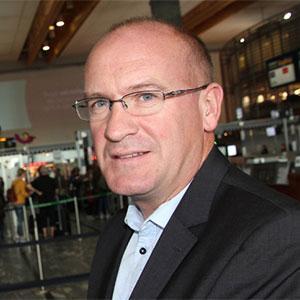
Idar Sørgjerd, recently joined BNP Associates as Associate Director & Head of R&D, having until recently been Head of Baggage Handling at Avinor. “Avinor will continue the developments towards robot loading. The ongoing project with BEUMER and AAT is now closing up to installation onsite in the new BHS T1. First test loading with live bags is expected to be performed before the summer. Further to this, Avinor is continuing the implementation of their own digital orchestration tool, BLFlow, which is expected to be used by all handlers at the airport, both on the ‘old’ sortation system by Vanderlande, as well as the new system from BEUMER. With the installation of the robot, as well as the digital tools, Avinor is closing to an and of development for the departure process, excluding the transportation on airside. Further it is expected that the transfer as well as the arrival process will gain advantages from the new digital orchestration tool. The coming months after installation will be used for user adaptions, allowing the handlers, as users, to find their working ways and the best daily user patterns for the new equipment.”
Per Engelbrechtsen, Business Development Director, BEUMER Group

Per Engelbrechtsen, Business Development Director, shares that BEUMER Group (a Strategic Partner of the FTE Baggage Innovation Working Group) sees greater willingness from airports to pursue and participate in innovation projects together with the vendor community. “This involvement spans across multiple disciplines such as further robotisation, process innovation and the use of artificial intelligence (AI). Robots have been here for years, but the past two years have seen significant advancements in gripper technology, vision systems, and AI capabilities. These developments enable more precise and efficient use of robots for loading ULDs and baggage carts. We anticipate this trend will continue not only through 2026 but well into the future. Another major trend of today is the shift towards ‘The Baggage Factory’. Airports of all sizes are now adopting new sortation processes, such as ‘Batch Build’, to optimise not only the footprint of the system, but also to gain both operational and staff efficiencies. AI is ubiquitous and will continue to evolve. A particularly intriguing area is ‘Decision Science’, where AI can assist baggage professionals in navigating the vast amounts of collected information and data, supporting them in making better and faster decisions. At BEUMER Group we welcome this joint journey towards ‘The autonomous BHS’.”
Jen Zemba, Principal, Business Development, Introba
 Jen Zemba, Principal, Business Development, Introba, highlights that U.S. airports are increasingly adopting advanced conveyance systems such as ICS and cross-belt, while expanding the baggage ecosystem to include technologies that improve efficiency, safety, and reliability. “Data-driven operations – enhanced by artificial intelligence (AI) – are becoming central to optimising system performance. Robotics and AGVs are emerging to address labour shortages and modernise baggage movements, and smart sensors are enabling predictive maintenance by identifying component issues before they lead to catastrophic failures. Airlines and airports that move now to explore emerging technologies will position themselves at the forefront of a future‑flexible infrastructure, while those who wait risk falling behind as the industry rapidly evolves.”
Jasper Quak, Managing Director, BAGTAG
 Jasper Quak, Managing Director, BAGTAG, highlights that in 2026 we will see an acceleration from digitising the baggage label to digitising the entire bag journey. “Electronic Bag Tags are moving beyond early adopters and into exponential growth, driven by improved passenger experience, operational reliability, and airline scalability. At the same time, the industry is introducing the concept of the connected bag: moving from a static tag to an intelligent, connected device that can support real-time updates, proactive exception handling and improved end-to-end visibility. This shift will be reinforced by the launch of next-generation EBT hardware, including third-generation solutions such as BAGTAG Pulse, enabling richer interactions and a more seamless digital baggage experience. In parallel, we expect increased adoption of baggage biometrics, enabling frictionless identity confirmation at key baggage touchpoints and reducing manual interventions. Another important development is the growth of intermodal baggage transfer concepts, where baggage can move more smoothly across airline and non-airline journeys, supported by better data orchestration. Underpinning all of this is a clear shift toward actionable visibility: not just tracking bags, but converting tracking data into operational outcomes through event-driven bag journeys, standardised data exchange, and faster exception resolution. Finally, sustainability will play a larger role – with reusable digital identification reducing paper/plastic tag waste, cutting reprints, and lowering the CO₂ impact associated with mishandling and recovery logistics.”
Star Alliance, British Airways, DEN, SITA, Brock Solutions, Aegean, WSI, CLX Engineering, Vanderlande, Aer Lingus, Cobot Lift, BagID, and Arrow Analytics on end-to-end tracking, IoT, robotics and automation, AI, off-airport processing and more
As the air transport industry continues to evolve, the way we handle and track baggage is undergoing a radical transformation. From end-to-end visibility and automation to the integration of artificial intelligence (AI) and the Internet of Things (IoT), 2026 promises to be a year of profound change for baggage management. In part 2 of our comprehensive focus, Star Alliance, British Airways, Denver International Airport, SITA, Brock Solutions, Aegean Airlines, Western Sydney International Airport, CLX Engineering, Vanderlande, Aer Lingus, Cobot Lift, BagID, and Arrow Analytics share their perspectives on the key baggage trends set to shape the industry in 2026 and beyond. You can view part 1 of our baggage trends focus – featuring Air Canada, Greater Orlando Aviation Authority, Southwest Airlines, Barich Inc, BNP Associates, BEUMER Group, Vancouver Airport Authority, Introba, and BAGTAG – by clicking here.
Learn more about the FTE Baggage Innovation Working Group – the industry forum where the future of baggage handling will be defined >>Ivan Lee, Star Alliance Manager, Customer Experience – Airport
 Ivan Lee, Star Alliance Manager, Customer Experience – Airport, highlights that baggage management is a critical part of the customer experience, especially as multi-airline journeys become more complex. “Behind the scenes, infrastructure varies widely across airports, systems, and geographies, with differing scanning capabilities and data availability. When baggage is mishandled, timely communication is just as important as physical recovery – particularly on multi-airline journeys. This complexity is exactly what makes coordinated solutions, like the Star Alliance Baggage Hub, so valuable. In 2025, the Baggage Hub tracked over 180 million bags across interline journeys, helping member airlines manage disruption more efficiently while giving passengers greater peace of mind through improved visibility and consistent updates. While the Baggage Hub highlights the benefits of an alliance-level approach, the wider industry is also evolving, with several trends emerging to address current challenges. Across the industry, these trends include greater use of auto-reflighting for mishandled baggage and end-to-end delivery solutions to reduce disruption across multi-airline journeys. Wider adoption of electronic bag tags and complementary consumer tracking solutions is improving accuracy and transparency as baggage transfers hands. Industry-wide efforts to modernise messaging standards, including IATA-led initiatives, are enabling airlines to exchange richer, more timely information, such as images and real-time status updates. Combined with intelligent automation and AI-supported bag identification, these developments show how technology is playing an increasingly important role in improving visibility and passenger reassurance. Against this backdrop, one of the key Alliance focuses over the coming years is facilitating the flow of information across connected journeys, helping to bring greater clarity and reassurance to passengers as bags move across multiple airlines.”
Laurie Keita, Head of Baggage & Logistics, British Airways
 Laurie Keita, Head of Baggage & Logistics, British Airways, is really excited for 2026 as it’s set to be a year of real transformation for our industry, driven by technology but also by customer expectations. “A central trend will be the continued adoption of end-to-end tracking and looking at ways to share the visibility of bags when customers aren’t with them. Our customers expect real-time updates on their baggage and airlines are increasingly leveraging RFID, IoT sensors and integrated mobile notifications to deliver transparency, reduce mishandling and enhance the customer experience. Another shift is going to be the rise of predictive analytics and AI-driven ops. By using machine learning across both historical and real-time data, airports and airlines can anticipate demand, optimise resources and proactively identify bottlenecks before they cause an impact to customers. I also have to mention automation and robotics for a key trend in 2026 – it’s only January and we’ve already seen coverage of the Changi autonomous baggage tractor rollout. These, alongside smart conveyors and robotic sortation systems, are maturing rapidly and offer both speed and precision without compromising safety. I think the whole aim of the game this year will be about making our baggage ecosystem more connected, intelligent and resilient. I’m really excited to see the results from when we harness these tends at British Airways.”
Matthew Robb, Senior Vice President, Technical Operations, Denver International Airport
 Matthew Robb, Senior Vice President, Technical Operations, Denver International Airport, shares that 2026 will offer a continuation of 2025, with our industry exploring the most effective methods for leveraging the rapid emergence of artificial intelligence (AI). “Within the operations and maintenance environment, AI solutions could present new opportunities for innovative automation. I am hopeful the industry will maximise the use of AI to drive new predictive asset management strategies that are less dependent on sensor-based solutions and offer a better cost benefit. There is also immense opportunity with AI to forecast operational challenges and provide key tactical recommendations that mitigate stakeholder impacts. While the world at large grapples to understand and maximise the benefits of AI, I believe our data-rich baggage environment is uniquely positioned to make large strides in the coming year. With that said, success is dependent on wide user base accessibility and reasonable return on investment for operators who invest in new AI-focused solutions.”
Nicole Hogg, Director, Baggage, SITA
 Nicole Hogg, Director, Baggage at SITA (a Strategic Partner of the FTE Baggage Innovation Working Group) highlights that passengers no longer judge baggage services against other airlines. They judge them against Amazon and Uber. “They expect to see their bag at every moment, get notified before something goes wrong, and resolve issues themselves on a mobile phone, not in a queue. Real-time tracking, whether through integrated devices like Apple AirTag or airline systems such as WorldTracer, is quickly becoming the baseline. Full end to end visibility is no longer an experiment. It is the standard passengers now demand. To meet that expectation at scale, the industry has no choice but to automate. Auto reflight, proactive notifications, predictive analytics and intelligent workflows are taking human guesswork out of baggage operations and replacing it with foresight. At the same time, baggage is breaking free from the terminal. Off airport processing, new delivery models and even biometric identification of the bag itself are redefining how baggage fits into the wider journey. This is not about incremental improvement. It is a structural shift in how baggage is managed, monetised and experienced.”
Mark Stokes, Business Unit Manager – SmartSuite, Brock Solutions

Mark Stokes, Business Unit Manager – SmartSuite at Brock Solutions (a Strategic Partner of the FTE Baggage Innovation Working Group) shares that, building on the industry’s momentum in modernisation and integration, three themes have emerged as transformational forces this year: modern messaging, cybersecurity, and data analytics. “Modern messaging standards are replacing legacy systems, enabling richer, real‑time data exchange across airlines, airports, ground handlers, and technology providers. This evolution supports a truly horizontal integration model, where connected systems share high‑quality, event‑driven information that improves decision‑making, enhances passenger visibility, and provides the technical foundation needed for emerging technologies. At the same time, cybersecurity has become a top priority for nearly every major airport and airline. Baggage systems today are interconnected, data rich, and increasingly interfacing with cloud services, mobile applications, and AI platforms. The industry is responding by integrating cybersecurity into system design rather than treating it as an afterthought. With richer messaging and more secure infrastructures in place, data analytics is becoming a strong force powering predictive maintenance, intelligent routing, and real‑time disruption management. Combined, these priorities are shaping a more secure, more integrated, and more data‑driven future for baggage operations, positioning the industry to deliver smoother, smarter, and more resilient passenger journeys in 2026 and beyond.”
Timos Korosis, Ground Operations Product Manager, Aegean Airlines
 Timos Korosis, Ground Operations Product Manager, Aegean Airlines, believes 2026 is a year where certain technologies need to have their ‘breakthrough’, so that baggage moves from being a cost and disruption driver to a more predictable, data-driven part of the passenger journey. “We need, as an industry, to go deeper in the use of our data and artificial intelligence (AI) to support decision-making across the baggage lifecycle – from load planning to disruption management. Rather than replacing human expertise, these technologies can act as decision-support tools, helping operational teams tackle issues earlier, optimise loading based on historical and real-time data and solve problems before they even occur. At the same time, barcode scanning needs to be replaced or complemented with additional tools. The technology is already in place and it is high-time we start using it. Introducing optical tracking at key areas of the baggage journey will help us progress into end-to-end baggage visibility and digitalisation. This combined with automation in baggage handling systems and baggage recovery systems, as well as a stronger focus on standardisation will be key to improving reliability, operational efficiency and passenger trust in 2026 and beyond.”
Greg Welsh, Lead Site Engineer – Baggage Handling Systems, Western Sydney International Airport
 Greg Welsh, Lead Site Engineer – Baggage Handling Systems, Western Sydney International Airport, highlights key baggage trends for medium and large airports in 2026. “When it comes to the technologies used, we will see more airports move towards Individual Carrier Systems (ICS) rather than traditional conveyors because they are fast, more accurate and easier to maintain than traditional conveyors. For bag stores we will see a move towards high-density shuttle-based systems already proven in warehousing and perfect for supporting the growing trend of bag stores no longer being just for storing early bags but also for reducing make up windows, batch loading and buffering of bags. When it comes to system layouts, we will see more terminals designed to have more of the baggage operations located outside the terminal (where space permits) in an adjacent facility which is both cheaper and more suitable for Baggage Handling Systems (BHS) and baggage operations than when it is squeezed into a terminal with limited space. This will further be supported through use of ICS for faster transfer between buildings. This also allows for co-location of storage and retrieval systems for Unit Load Devices (ULD) and supports the preloading and storage of ULD.”
Kevin Wilcox, President, CLX Engineering
 Kevin Wilcox, President, CLX Engineering, highlights that 2026 will be the year baggage operations stop asking where the bag is and start asking how the system is performing. “The real shift is not in adding more technology, but in making existing technology smarter. Software intelligence that unifies RFID, sensors, controls, and operational data will separate reactive baggage systems from operations that run with real-time awareness, faster decisions, and fewer surprises. Automation is no longer optional. The next generation of baggage operations will be defined by systems that anticipate disruption rather than respond to it. Predictive maintenance, automated decision support, and real-time operational control will separate airports and airlines that simply move bags from those that run baggage as a connected, software-driven system.”
FTE Baggage Innovation Working Group (BIWG) members will convene for an unmissable event in Orlando on 9-11 February 2026. An in-person meeting will be hosted by Orlando International Airport on 9 February. The program will also feature an evening networking event on 9 February and the 3rd Annual BIWG Golf Day on 10 February. Meanwhile, among the tours on offer will be a special visit to the CLX Engineering facility in Sanford, Florida, on 11 February, where BIWG members will see some innovation in baggage, as well as an autonomous boarding bridge.
Mark Lakerveld, Executive Director Strategy & Markets | Airports, Vanderlande
 Mark Lakerveld, Executive Director Strategy & Markets | Airports, Vanderlande, highlights that as airports look for practical ways to handle growing passenger volumes, baggage systems will play a key role in boosting efficiency and resilience without major infrastructure changes. “In 2026, several trends are set to shape this development. Airports and airlines are expected to deepen automation in baggage handler processes, from loading and unloading to the indoor and outdoor transport of containers, improving efficiency, working conditions, and safety. At the same time, the push toward full end‑to‑end visibility of individual bags will accelerate, enabled by improved tracking technologies and richer data exchange between airlines, airports, and passengers. Finally, off‑airport processing is gaining momentum. Offering passengers the option to drop off or collect baggage at locations such as homes, train stations, hotels, or resorts – for both inbound and outbound journeys – enhances convenience, expands service options, and boosts overall passenger satisfaction.”
Brian Horgan, Transformation Lead Operations, Aer Lingus
 Brian Horgan, Transformation Lead Operations, Aer Lingus, shares that in 2026 the airline is focused on:
- “Identifying and returning lost bags to customers more quickly by use of automation to eliminate manual processes, such as retagging, which can impede prompt onwards travel for mishandled bags. Our aim is to get mishandled bags moving more quickly and reunited with customers sooner rather than later.”
- “Improving our IATA 753 compliance through investment in bag-scanning hardware to increase our bag scanning rates, with a particular focus on our European network airports. This will help to drive our track and trace efforts further.”
- “We are continuing to work on automation of baggage cost recoveries in the pro-rates & recharges spaces supported by robotic process automation solutions that we are developing internally. This effort will also be supported by our increased investment in scanning hardware.”
- “Finally, we are also pursuing an assortment of Proof of Concepts in collaboration with International Airlines Group (IAG), technology partners, and our airports to help improve our baggage product experience for our customers as well as our front-line staff. Technologies such as computer vision, biometrics, as well as investment in improving our DCS mobile app front-end.”
Henrik Elm Gulløv, CEO & Co-founder, Cobot Lift
 Henrik Elm Gulløv, CEO & Co-founder, Cobot Lift, shares that looking toward 2026, baggage handling innovation is entering a transition phase, moving from isolated automation pilots toward more operationally anchored solutions. “Airports are increasingly focused on technologies that remove heavy physical work while improving flow stability and day-to-day operability within existing infrastructure. Rather than aiming for full end-state transformation immediately, the coming period will see clearer business cases emerge for scaling automation and for structuring longer-term baggage transformation journeys. This creates an opportunity for technology providers and partners to work closely with airports to help define the most effective, value-driven transformation routes – tailored to local operations rather than one-size-fits-all approaches. At the same time, a broader range of airports is becoming active in the baggage innovation space. While major hubs continue to play a central role in shaping future concepts, standards, and end-to-end orchestration, small and mid-sized airports are often able to pilot and operationalise new technologies at pace. Their relative agility, simpler stakeholder structures, and brownfield-friendly environments allow innovations to be tested, refined, and translated into daily operations more quickly. Together, this dynamic supports the industry’s move toward more complete, integrated baggage solutions – combining strategic orchestration with practical, scalable execution.”
Ina Eldøy, CEO, BagID
 With IATAs 10-year roadmap for baggage, Ina Eldøy, CEO, BagID, sees a clear direction for where baggage handling in aviation is heading. “Paperless and seamless travel experiences are at the core, in combination with a more cooperative, data sharing climate between airports, handlers, airlines and operators. Collaborative systems for data sharing, will flourish, with Aena leading the way through the innovation project ‘Collaborative Data Sharing Platform for Baggage’, which is currently being developed for their three busiest airports; Adolfo Suárez Madrid-Barajas Airport (MAD), Josep Tarradellas Barcelona-El Prat Airport (BCN) and Palma de Mallorca Airport (PMI). 2026 will be the year where electronic bag tags will have their major breakthrough – particularly those with Bluetooth/IoT tracking capabilities. This allows bags to become smart; to communicate as part of the Internet of Things. These types of baggage tracking devices will offer new data sources related to off-airport check-in of baggage and flows, as well as location sharing with passenger consent as a rule, rather than an exception. Growth markets like India, will lead the way. The recent disruptions across the Indian aviation sector, with pressure on terminal capacity, the need for more predictable passenger flows, and the growing demand for operational resilience, all point to the importance of accelerating digitalisation, especially within baggage handling. India’s current challenge with high demand and limited infrastructure, will drive innovation and open up for technology – doing more for less. The Indian government has initiated DigiYatra – a digital biometric travel ecosystem that transforms airport entry, security and boarding, using facial recognition and mobile credentials. This, in combination with electronic bag tags with tracking capabilities, will enable identity, check-in, bag drop, boarding, arrival and baggage claim to become fully digital, trackable and automated.”
Akku Kumar, Co-founder and CEO, Arrow Analytics
 “Though I have only been in the industry for the last year (and a member of the FTE Baggage Innovation Working Group for the last few weeks!), I feel as if baggage is going to be one of the most productive sectors of aviation in terms of actual innovation being put into action. While things like Sustainable Aviation Fuel (SAF) and eVTOL are very exciting and may produce momentous changes in the next decade or so, I have always believed that the biggest investment in the future is in making small, consistent improvements over a long time. That is what has already been seen in baggage for the last few years – from handling systems slowly increasing in autonomy to passengers having ever-greater knowledge on where their checked bag is at all times – and what, I believe, will remain true in 2026. Specifically, while I think there has been a lot of focus on baggage biometrics for checked baggage (with good reason), I think 2026 is the year that carry-on baggage comes more into focus. Perhaps I’m biased by the work I do in Arrow Analytics, but things like autonomous baggage sizing and predictive overhead bin allocation need to be solved, as reducing minutes and even seconds from turnaround times is increasingly critical. I also think 2026 will be the year that the power to identify and track baggage starts not the moment that the traveller checks their bag in at the airport, but when they check in for the flight at home. Each traveller has an incredibly powerful processor, camera, and Augmented Reality (AR)-capable device in our pocket and wants to have more control of their travel destiny; I think the best way to combine those is by allowing passengers to snap pictures of their bags or even size them using AR at home to help airlines better understand what is coming onboard hours before the flight is going to leave. Thus, 2026 will be the year that the traveller starts becoming a true partner in the efficiency and operational improvements in baggage, not just a statistic.”
FTE BIWG: Delivering tangible change through industry collaboration
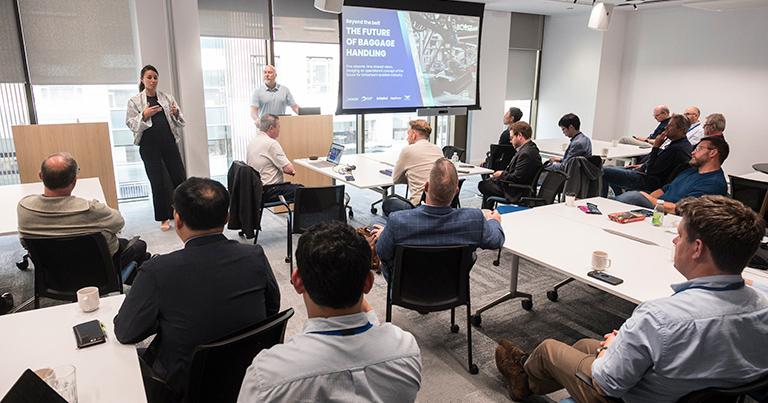
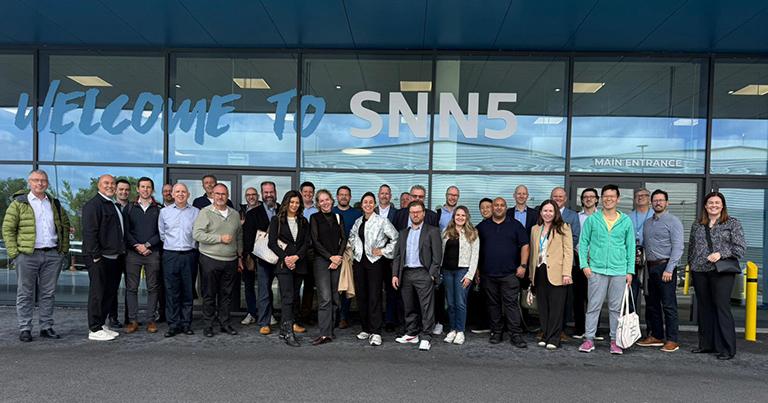
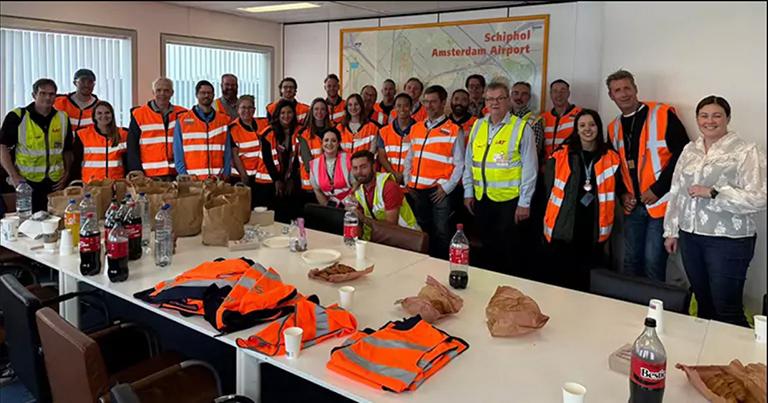
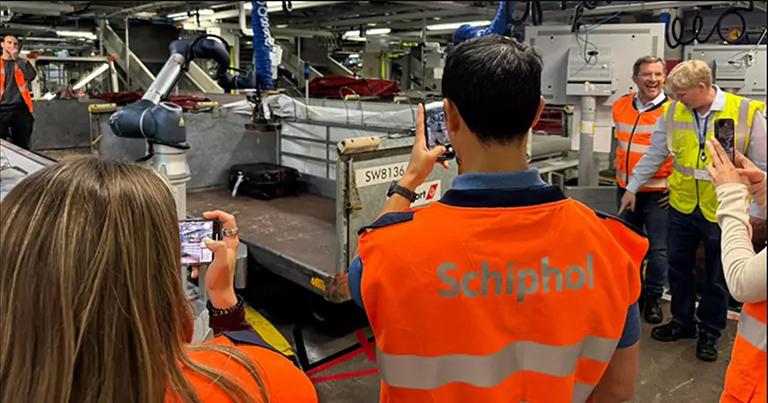
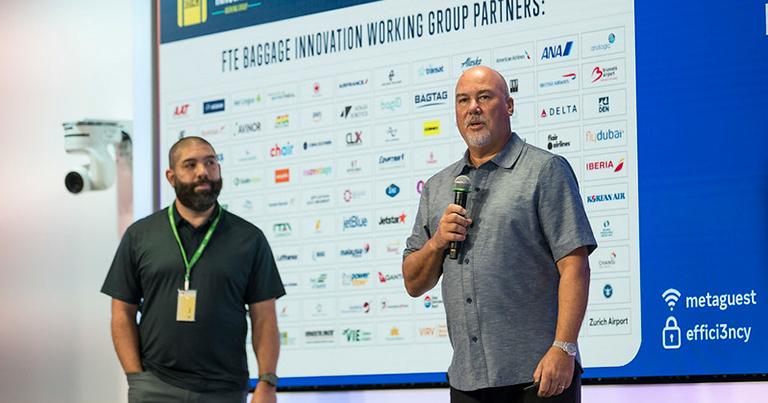
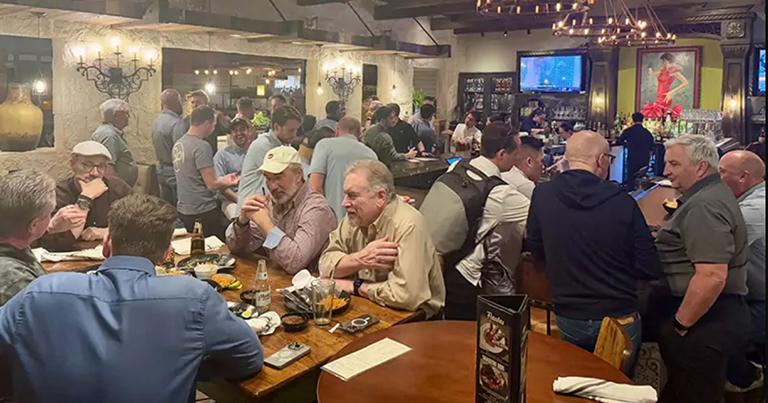
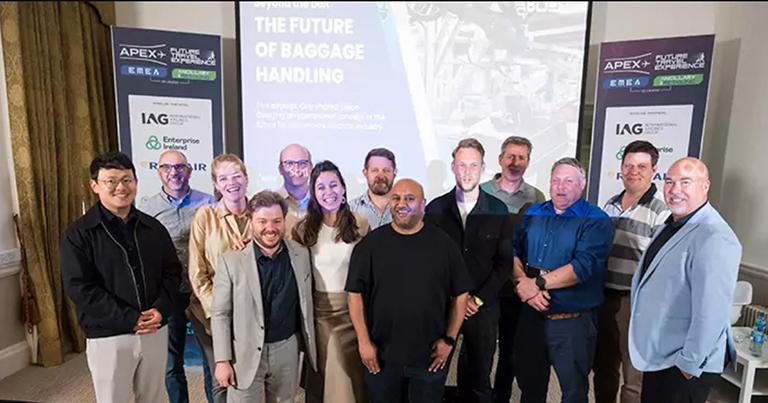
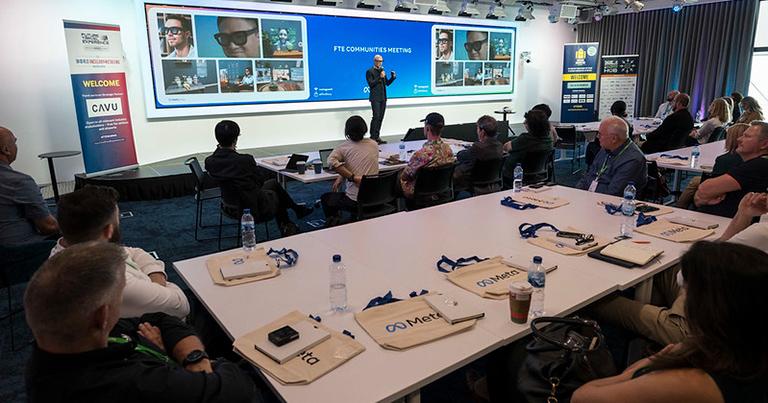
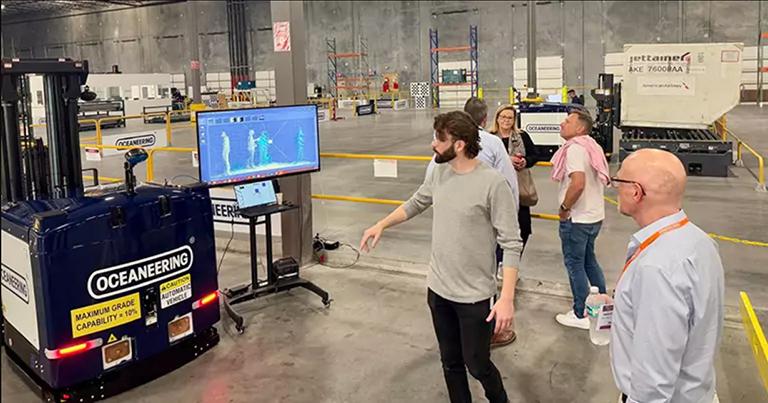
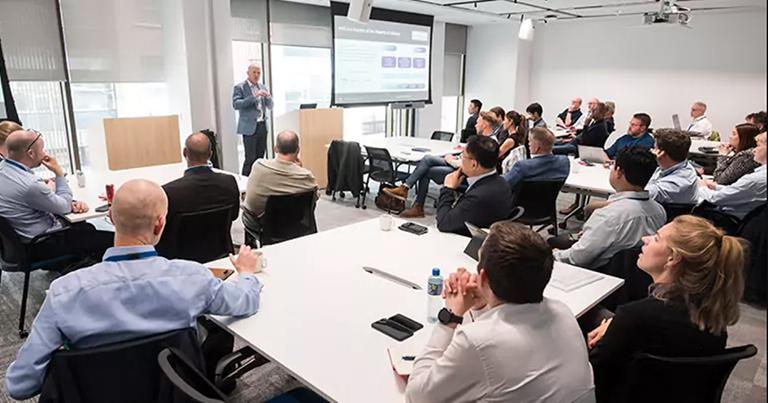
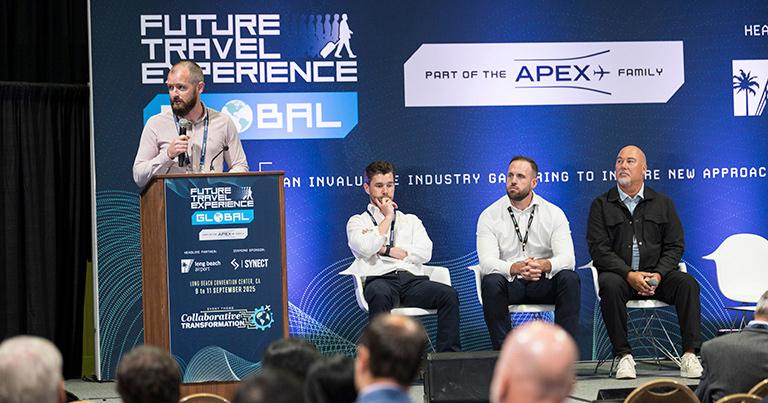
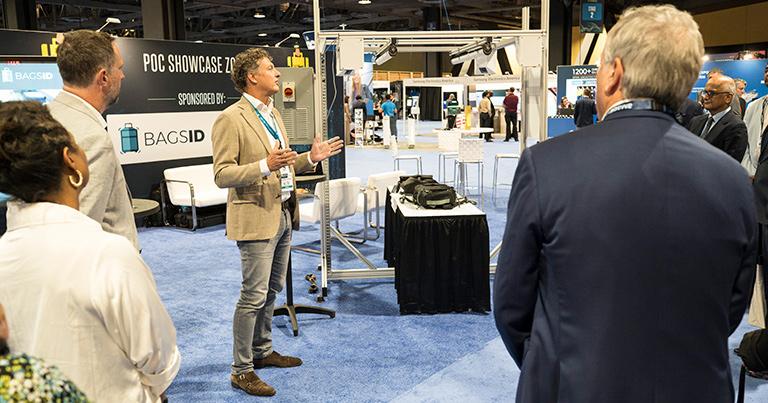
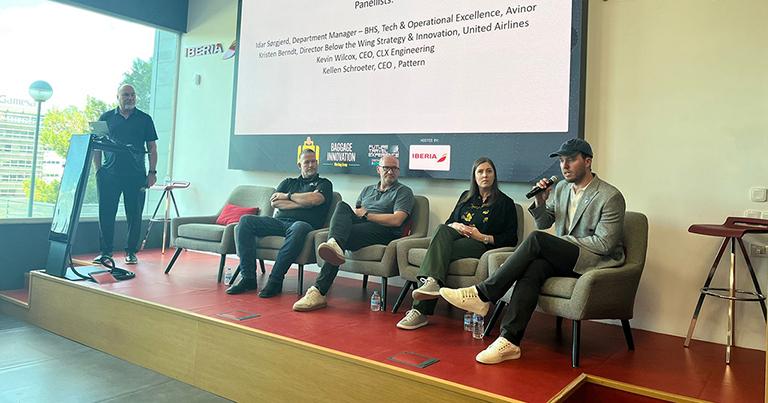
The FTE Baggage Innovation Working Group (BIWG) brings together the most innovative and progressive baggage supply chain companies, airlines, and airports from across the industry to provide a unique platform for cooperation and industry advancement. It is the platform for developing new techniques, technologies, and business models to deliver tangible change in the baggage sector. Members regularly come together to learn from one another and collaborate on game-changing Proof of Concepts to reduce costs, improve passenger experience, and test innovations.
The BIWG enters 2026 with several Proof of Concepts already underway, with ongoing BOOST PoCs across multiple airports and new PoCs focused on bag classification and next-generation loading technologies also in development.
The Group’s work over the next year will continue to focus on areas such as baggage tracking and tagging; robotics and automation; AI and agentic AI; and the integration of new products and tools into daily airport operations. Confirmed 2026 in-person meetings include:
- 9 February 2026 – Orlando (hosted by Greater Orlando Airport Authority)
- 16 March 2026 – London (hosted by Heathrow Airport)
- 9 June 2026 – Dublin (co-located with the new FTE Smart Ramp & Baggage Innovation Summit as part of APEX FTE EMEA)
- 8 September 2026 – Dallas (co-located with FTE Global)
- 17 November 2026 – Singapore (co-located with APEX FTE EXPO Asia)
“2026 will include five in-person meetings: Orlando in February hosted by MCO, a Heathrow-hosted meeting in London in March, Dublin in June, Dallas in September, and Singapore in November. These augment our regular schedule of virtual meetings,” explains Darin Juby, Head of Transformation, Future Travel Experience. “Proof of Concepts will come from both the established BOOST programme that continues on collaboratively embracing new technology such as robotics and automation, as well as potential new PoCs from our BIWG members including airlines, airports and suppliers.”
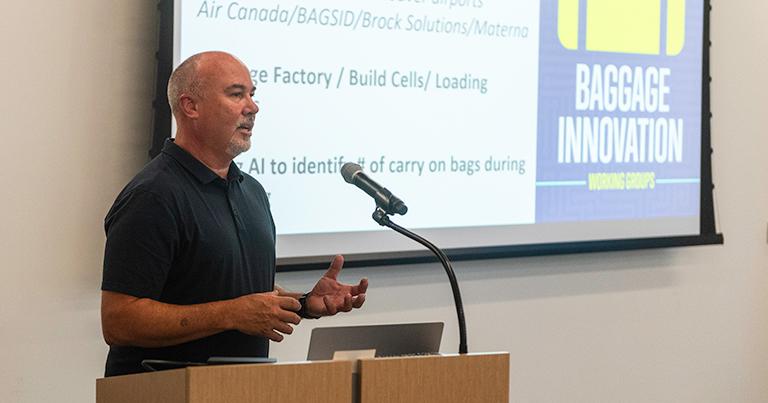
MCO-hosted BIWG meeting on 9 February 2026, plus networking evening, tours and 3rd Annual BIWG Golf Day
Following the success of this year’s FTE Communities Live Days event in Orlando, BIWG members will once again convene for an unmissable meeting hosted by Orlando International Airport on Monday 9 February 2026.
“We have some startup pitches that are happening in the morning followed by the BIWG meeting in the afternoon at Orlando International Airport,” says Juby. “Tours will be offered, as well as an evening networking event on the Monday evening. Tuesday will include a networking golf event as we hold the 3rd Annual BIWG Golf Day. An additional tour of the CLX Engineering facility in Sanford, Florida, will be offered on the Wednesday morning, where we are going to see some innovation in baggage, as well as an autonomous boarding bridge.”
Orlando International Airport will share its baggage vision of the future and discuss plans to replace aging systems, while maintaining growing operations, with a state-of-the-art system and processes envisioned to support an expanding and unique market.
“The in-person meeting will bring together many of the industry’s global leaders and innovators,” says Scott Goodwin, Assistant Vice President, Airport Operations, Greater Orlando Aviation Authority. “Orlando has a unique baggage market with leisure travellers presenting diverse baggage needs and behaviours. Learn about growing trends and solutions being looked at, as well as lessons learned from initiatives actively and previously implemented supporting baggage efficiencies and operations. The BIWG is a community of forward-thinkers committed to redefining baggage operations. In a rapidly evolving aviation landscape, no single organisation can innovate alone. The BIWG provides the platform to learn from each other and collectively drive meaningful change and results.”
Heathrow-hosted meeting themed ‘Relentless Productivity’ – 16 March 2026
Heathrow will host an unmissable joint in-person meeting of two of FTE’s innovation communities – the FTE Baggage Innovation Working Group and the FTE Digital, Innovation & Startup Hub – on 16 March 2026.
“The theme of the meeting will be ‘Relentless Productivity’,” Juby explains. “This ties into Heathrow having to embrace technology and innovation to be as efficient and consistent as possible due to handling a huge volume of aircraft, passengers and bags within a very limited footprint across all hours of the operational day.”
Further details on activities around the meeting, including baggage innovation tours, will be announced soon.
FTE Smart Ramp & Baggage Innovation Summit
 In addition to the plethora of BIWG activities planned for 2026, the brand-new FTE Smart Ramp & Baggage Innovation Summit takes place as part of APEX FTE EMEA, which is co-located with APEX FTE Ancillary & Retailing in Dublin on 9-11 June 2026. The FTE Smart Ramp & Baggage Innovation Summit creates a dedicated platform for sharing progress, accelerating innovation, and defining the future of ramp and baggage transformation together. It unites airlines, airports, ground handlers, manufacturers, and solution providers to collaborate on one shared goal: creating safer, smarter, and more efficient ramp & baggage operations through innovation, automation, and cross industry partnership. The Summit will feature a major segment on the pioneering BOOST programme, which spun out of the BIWG and aims to eliminate physical strain and improve working conditions for baggage workers by rapidly adopting advanced technologies, with Proof of Concepts across Schiphol, Avinor, Brussels Airport, Heathrow and Incheon.
2026 and beyond: From experimentation to execution
As the insights shared here make clear, 2026 will be less about bold promises and more about disciplined execution. Across robotics, AI, computer vision and tracking, the baggage domain is moving decisively from experimentation to operational reality. What unites these trends is a shift towards software-led, data-driven decision-making that improves predictability, resilience and trust – for both passengers and frontline teams. Importantly, innovation is no longer being pursued in isolation. Collaboration between airports, airlines and suppliers, enabled through platforms such as the FTE Baggage Innovation Working Group, is accelerating learning, de-risking deployment and turning Proof of Concepts into scalable solutions. As passenger expectations continue to rise and operational margins remain tight, baggage is emerging as one of the most tangible opportunities to deliver measurable gains in efficiency and experience. The organisations that succeed in 2026 and beyond will be those that focus not just on adopting new technologies, but on integrating them intelligently into daily operations, with people, processes and performance firmly at the centre.
Learn more about the FTE Baggage Innovation Working Group >>You may also be interested in
12 technology and CX trends that can enhance airline and airport operations in 2026